HOME OFFICE WHISTLEBLOWER CLAIMS ‘JUST ONE IN 100’ ASYLUM CLAIMS ARE GENUINE — AS OFFICIAL WARNS SYSTEM IS ‘MASSIVELY DYSFUNCTIONAL’
HOME OFFICE WHISTLEBLOWER CLAIMS ‘JUST ONE IN 100’ ASYLUM CLAIMS ARE GENUINE — AS OFFICIAL WARNS SYSTEM IS ‘MASSIVELY DYSFUNCTIONAL’
A Home Office whistleblower has made a series of explosive allegations about Britain’s asylum system, claiming that only around one in 100 asylum claims are genuine and that applicants from some countries are using remarkably similar stories to support their cases.
The official, known only as “J”, has worked for years as an asylum decision-maker and says they have assessed thousands of applications.
According to the whistleblower, some claims follow what officials internally describe as “package claims” — allegations that appear to use the same or highly similar narratives, evidence and supporting material.
But the extraordinary claims have not been independently established across the asylum system, and the Home Office has defended its procedures.
 ‘THE SAME SCRIPT’
Speaking anonymously, J claimed that applicants from certain countries repeatedly presented similar accounts when seeking asylum in Britain.
One example involved Iraqi Kurdish applicants who allegedly claimed they had been romantically involved with the daughter of the prime minister of the Kurdistan Region.
The whistleblower claimed the number of people making versions of the same allegation had reached the hundreds and had become a “running joke” among some colleagues.
J also alleged that large numbers of Pakistani applicants had claimed they were at risk because of same-sex relationships with the same man, with supporting letters allegedly being used to strengthen their cases.
Another alleged pattern involved Bangladeshi applicants who claimed to have been political opponents of a former governing party.
According to J, some applicants were unable to provide basic information about the political organisation they claimed to have supported or opposed.
 ‘NOTHING WORKS AS IT SHOULD’
The whistleblower delivered an extraordinary assessment of the system, claiming that fraudulent applications were widespread and that decision-makers were working within a process that made it difficult to identify them.
J alleged that “at best” only 1% of asylum seekers were genuine, while describing the wider system as either fraudulent or severely dysfunctional.
However, this is the whistleblower’s assessment rather than an independently verified statistic for all asylum applications.
The Home Office has rejected any suggestion that its system simply accepts claims without proper scrutiny.
WHY THE INTERVIEW SYSTEM IS BEING QUESTIONED
J also criticised the way asylum interviews are conducted.
According to the whistleblower, people claiming asylum initially undergo a brief screening interview where basic information is collected.
A much more detailed substantive interview can then take place months later.
J claimed that the gap between the two stages gives some applicants time to obtain advice, prepare their accounts and potentially gather supporting material before facing detailed questioning.
The whistleblower argued that this delay makes it harder for officials to distinguish genuine accounts from fabricated ones.
CLAIMS OF PRESSURE INSIDE THE HOME OFFICE
The allegations also extend beyond asylum applicants themselves.
J claimed that some decision-makers felt pressure within the department and that there was a culture in which officials could be reluctant to reject questionable applications.
The Times reported allegations of frustration among staff who believed they were unable to challenge claims they considered obviously false.
The revelations come as Britain continues to face intense political and public debate over immigration and Channel crossings.
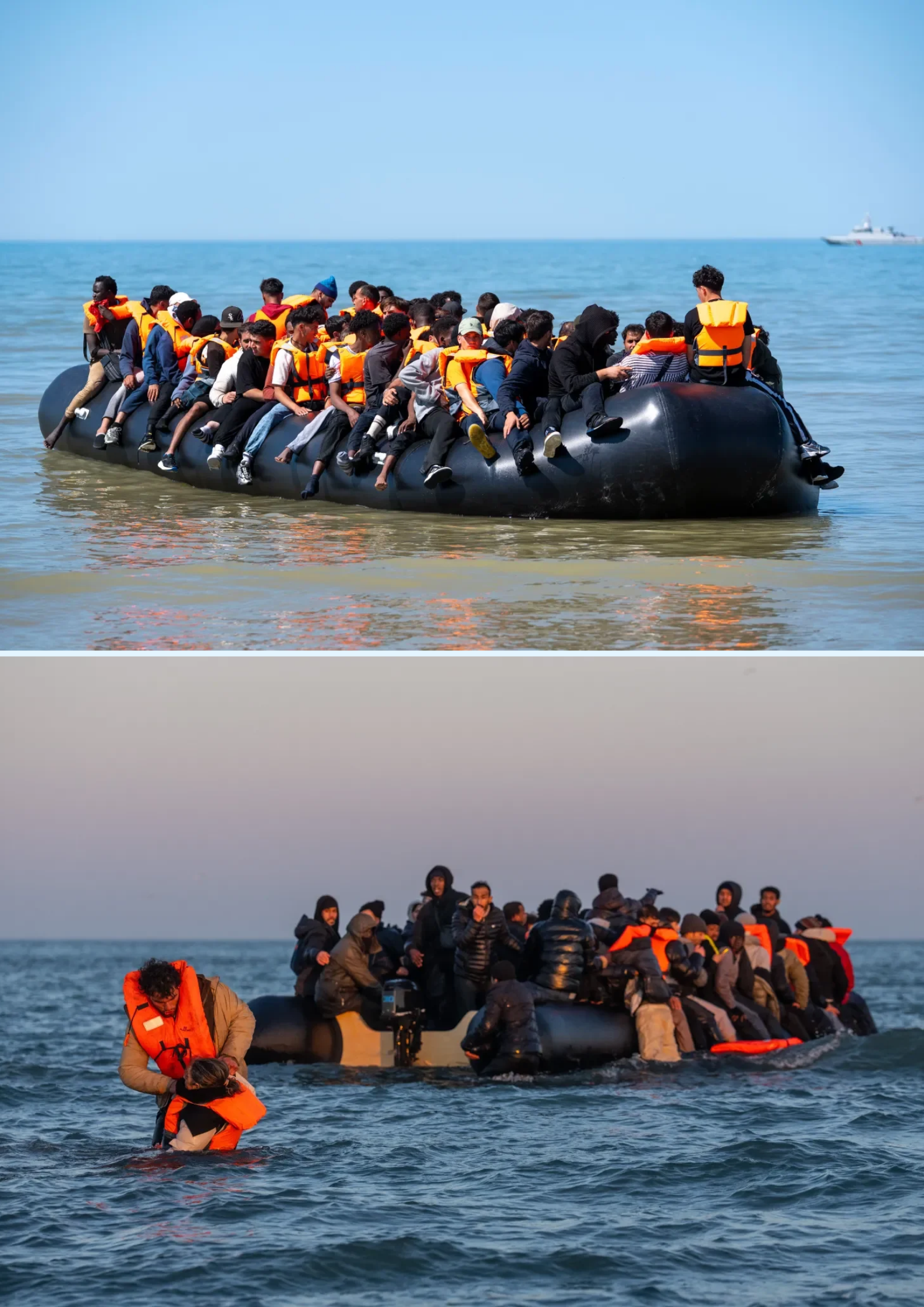
The issue has become increasingly controversial as thousands of people have attempted to reach Britain in small boats, while the government faces pressure to reduce irregular migration and speed up asylum decisions.
HOME OFFICE RESPONDS
The Home Office has defended the asylum process and said applications are subject to assessment.
The department has also pointed to confidentiality requirements surrounding asylum cases, while maintaining that efforts are being made to improve the system and tackle fraudulent claims.
The revelations follow a separate BBC investigation into allegations that some legal advisers were helping people fabricate asylum claims, adding to scrutiny of the wider system.
Official figures cited by The Times show that the proportion of asylum applications resulting in grants has fallen substantially from levels seen in 2022, although approval rates alone do not establish how many claims are genuine or fraudulent.
QUESTIONS NOW FACING BRITAIN’S ASYLUM SYSTEM
The whistleblower’s allegations are likely to intensify an already fierce debate over Britain’s immigration system.
If even a fraction of the claims about organised or repeated false narratives are substantiated, it could raise serious questions about how asylum applications are investigated, how evidence is verified and whether decision-makers have enough time and resources to identify fraudulent cases.
But there is another side to the story.
A claim being rejected does not automatically mean it was fraudulent, and an allegation made by an anonymous whistleblower is not proof that an individual applicant has lied.
The central question now is whether the Home Office can demonstrate that its system is capable of separating genuine people fleeing persecution from those attempting to exploit it.
And with public confidence in Britain’s asylum system already under intense pressure, the whistleblower’s allegations could prove impossible for the government to ignore.