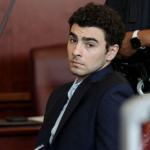
“SHE HAS ENDURED ENOUGH” — BUT THE LINDSAY CLANCY CASE IS FAR FROM OVER
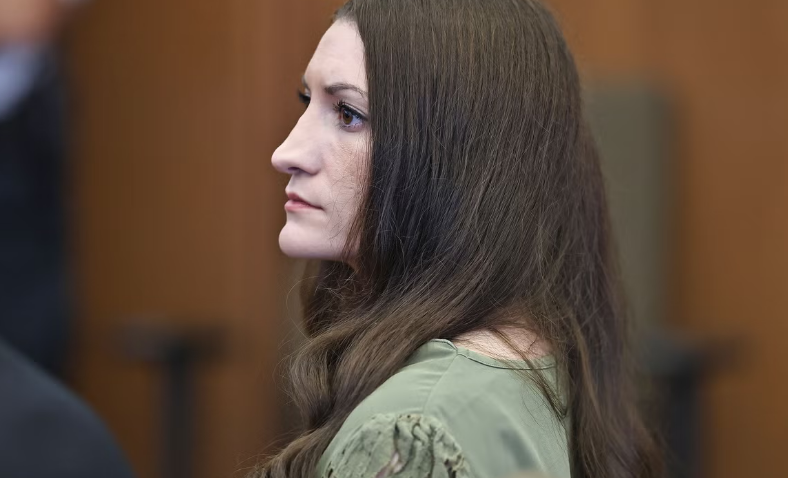
“SHE HAS ENDURED ENOUGH” — BUT THE LINDSAY CLANCY CASE IS FAR FROM OVER
For more than three years, the Lindsay Clancy case has divided public opinion.
Was this the calculated act of a mother who knew exactly what she was doing?
Or was it the devastating result of a severe psychiatric crisis that left her unable to understand the consequences of her actions?
Now, after one of the most closely watched murder trials in America ended without a verdict, those questions are back in the spotlight.
 THE JURY COULD NOT AGREE
After weeks of testimony and seven days of deliberations, the jury remained deadlocked.
On September 4, Judge William Sullivan declared a mistrial after jurors were unable to reach a unanimous decision about whether Clancy was criminally responsible for the deaths of her three children.
That is not the same as a not-guilty verdict.
Clancy remains charged, and prosecutors could seek a second trial. A hearing is scheduled for September 29, when the next steps in the case are expected to become clearer.
 THE DETAIL THAT HAS KEPT THIS CASE SO DIVISIVE
Throughout the trial, Clancy’s mental state remained at the center of the courtroom battle.
Her defense argued that she was suffering from severe postpartum psychiatric illness and that she should be found not guilty by reason of insanity.
Prosecutors presented a very different picture, arguing that Clancy’s actions showed planning and that she understood the wrongfulness of what she was doing.
Expert witnesses offered conflicting opinions.
And the jury ultimately could not agree.
BUT THE EVIDENCE DID NOT DISAPPEAR
The trial included testimony from more than 80 witnesses and hundreds of exhibits.
Jurors heard about Clancy’s deteriorating mental health before January 2023, including testimony that she had expressed thoughts of harming her children.
They also heard the prosecution’s argument that she deliberately created circumstances that left her husband away from the home before the deaths.
The defense, meanwhile, pointed to her psychiatric history, medication issues and the testimony of mental-health experts who believed she was experiencing a severe psychotic disorder.
And then came the question no one in the courtroom could answer unanimously:
Was Lindsay Clancy criminally responsible for what happened?
The jury could not reach a conclusion.
THREE CHILDREN. ONE FAMILY. NO VERDICT.
Cora was 5.
Dawson was 3.
Callan was only 8 months old.
Their deaths remain at the center of a case that has now lasted more than three years.
The mistrial does not erase the evidence.
It does not establish Clancy’s innocence.
And it does not establish her guilt.
It simply means the first jury could not reach the unanimous verdict required by law.
Now prosecutors must decide what comes next.
And the September 29 hearing could mark the beginning of the next chapter.
Because this case did not end with a verdict.
It ended with a question.