A 12-Year-Old Called Police on Her Mom — Then Someone Told Her She Would Regret It for Life
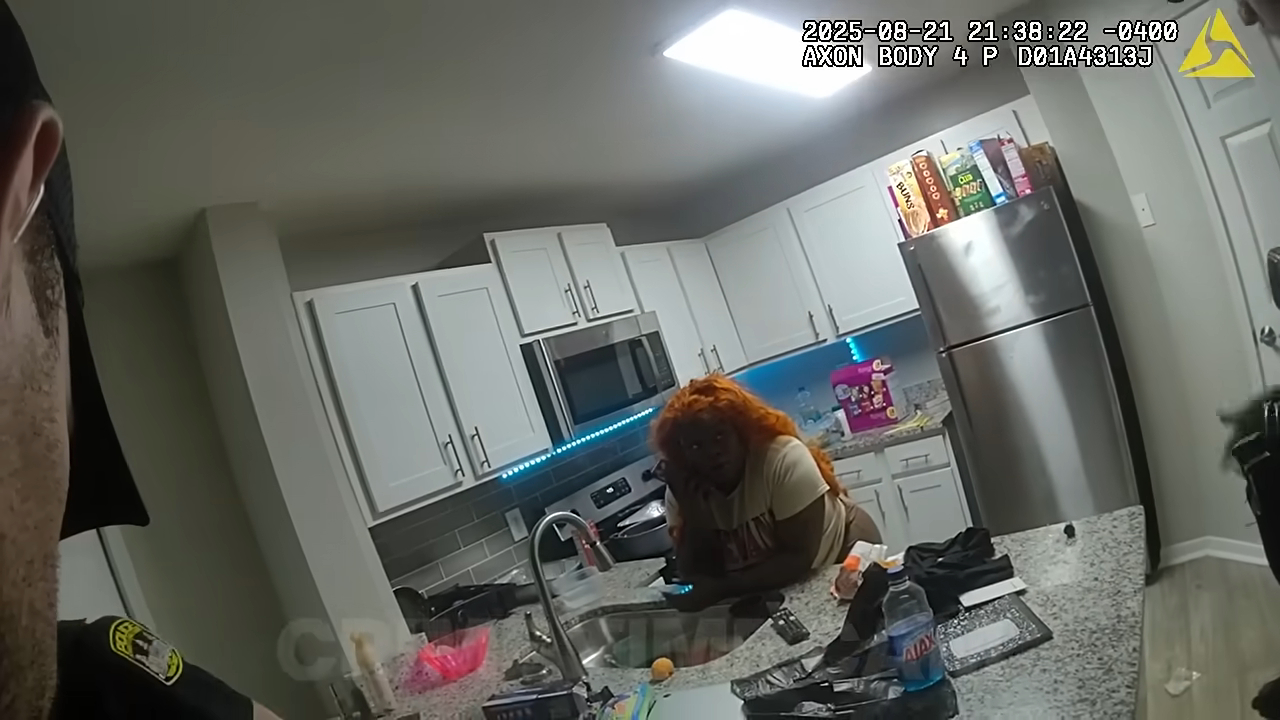
The arrest was already over.
But for the 12-year-old girl who had called police, the most painful part of the night may have only been beginning.
Officers had arrived after a domestic dispute involving the child and her mother. During the encounter, police discovered that the mother was wanted on numerous outstanding warrants, and what began as a family disturbance ultimately ended with her being taken into custody.
Now the adults around the child were confronting a different question:
What would happen to her?
As relatives discussed where the girl might go, one person directed a devastating message toward her.
“You’re going to regret that for the rest of your life.”
The implication was difficult to miss.
The child had called police.
Her mother had been arrested.
And now someone appeared to be suggesting that the consequences were somehow hers to carry.
One officer immediately pushed back.
“Her Mother’s Actions Resulted in Her Mother’s Consequences”
The remark came shortly after another adult told the girl that her mother could be gone for a long time.
“What did you think was going to happen?” the person asked.
The child was told that her mother might be gone for years and that she should have considered what would happen before making the call.
Then came the warning:
“You’re going to regret that for the rest of your life.”
An officer standing nearby challenged that framing almost immediately.
“I think her mother’s actions resulted in her mother’s consequences,” the officer said.
The officer went further.
“I don’t think we can blame this child for another person getting arrested on warrants that they already had.”
That distinction became central to what followed.
Whatever disagreements existed inside the family, the warrants had not been created by the 12-year-old’s phone call.
They had existed before police arrived.
The girl may have initiated the encounter by asking for help, but officers made clear that the legal consequences facing her mother were tied to decisions made long before that night.
The Officer Makes Sure She Hears It
The conversation did not stop with correcting the adult.
The officer turned directly to the girl.
He told her that nothing involving her mother and the police was her fault.
“Do not think that,” he said.
He explained that her mother had made decisions that carried legal consequences.
Then he repeated the point.
“This is in no way your fault.”
For a child who had already asked officers earlier in the evening, “Am I in trouble?”, the reassurance mattered.
She was not being told that everything she had done was right.
The transcript includes discussion of problems at school and concerns from family members about her behavior.
But the officer separated those issues from something much larger: responsibility for her mother’s arrest.
The child could be held accountable for her own choices without being made responsible for an adult’s outstanding warrants.
That message became even more important as the night continued.
Because the next problem was finding someone willing to take her.
“Nobody Wants Her”
As officers discussed arrangements for the children, the situation became increasingly uncomfortable.
At one point, the transcript records a conversation about whether the children could leave with another adult rather than involving DFACS.
The answer regarding the 12-year-old was different.
“Arya is to go to D-Fax,” someone said.
When an officer asked why, the response was stark:
“Nobody wants her.”
Another person appeared willing to take some of the children, but the discussion repeatedly returned to the idea that the 12-year-old should be placed with child welfare authorities instead.
Later, officers contacted family members directly.
The answer remained essentially the same.
The transcript records relatives saying they did not want to take the girl and describing her as difficult or “out of control.”
For police, what had started as a domestic call had now become a child-placement problem.
The girl’s mother was being taken away.
And some of the people officers expected might step in were refusing.
“This Isn’t Your Fault at All”
Around the 13-minute mark, the child began offering more context about her life.
She explained that she had spent much of her life with her grandmother and suggested that her relationship with both of her parents had not been particularly stable.
An officer again returned to the same message.
“The important thing is that you’re okay,” he told her.
“Your mom made a choice.”
Then:
“This isn’t your fault at all.”
And once again:
“You’re not in trouble.”
The officer could not promise her exactly what would happen next.
But he told her that, from experience, things could get better.
It was a quiet moment in a night filled with shouting, arguments and uncertainty.
Yet another revelation was still coming.
“When Was the Last Time You Had Something to Eat?”
Later, as officers continued working through where the girl could stay, one of them asked what initially sounded like a routine question.
“When was the last time you had something to eat?”
The girl’s answer changed the tone of the conversation.
She said she usually did not eat breakfast.
Then she estimated that the last time she had eaten may have been “the day before yesterday.”
The officer asked again, apparently making sure he had understood correctly.
That was the last time she had eaten?
The girl explained that she sometimes ate at school.
“But I don’t really be eating at home,” she said.
The officer soon stepped outside.
His summary to another person was blunt.
“This girl hasn’t ate in like 2 days.”
Then he made a simple request.
“Just get her a cheeseburger meal or something.”
A short time later, food was brought to the girl.
The moment was striking precisely because it was so ordinary.
There was no argument.
No struggle.
No dramatic police command.
Just an officer discovering that the child at the center of the entire incident might not have eaten properly in roughly two days — and deciding that, before anything else, she needed food.
The Story Was No Longer Just About an Arrest
By then, the mother’s arrest had become only one part of a much more complicated story.
The 12-year-old had been blamed for what happened.
Relatives had debated whether anyone would take her.
Police repeatedly reassured her that her mother’s legal problems were not her responsibility.
And then officers learned something even more basic: the child said she often did not eat at home.
The original police call may have begun with a fight at school and a confrontation between a mother and daughter.
But as officers spent more time with the girl, the encounter revealed a broader picture of instability around her.
The question was no longer simply why she had called police.
It was where she would go next — and whether someone was finally willing to step in.