“DON’T WORRY, DAD. I’M FINE.” — THE WORDS PAMELA CISNEROS’ FATHER BELIEVED BEFORE THE TIMES SQUARE TRAGEDY
“DON’T WORRY, DAD. I’M FINE.” — THE WORDS PAMELA CISNEROS’ FATHER BELIEVED BEFORE THE TIMES SQUARE TRAGEDY
For years, Pamela Cisneros’ family believed she had made progress. Her father thought his daughter was getting help and had begun to stabilize. Then came the shocking events in Times Square.
“Don’t worry, Dad. I’m fine.”
Those words, reportedly spoken by Pamela Cisneros to her father earlier this year, now carry a painful weight.
According to an account circulating publicly, Cisneros’ father had offered to drive her to a treatment appointment. She reassured him that she was okay, and he believed her.
For a father who had spent years watching his daughter struggle and supporting her efforts to get help, there was reason to believe that things had finally improved.
But months later, Pamela Cisneros would become the central figure in a shocking incident in the heart of New York City.
 A LIFE THAT APPEARED TO BE STABILIZING
Cisneros, 49, was from Queens and had a documented history of mental-health-related encounters with the NYPD.
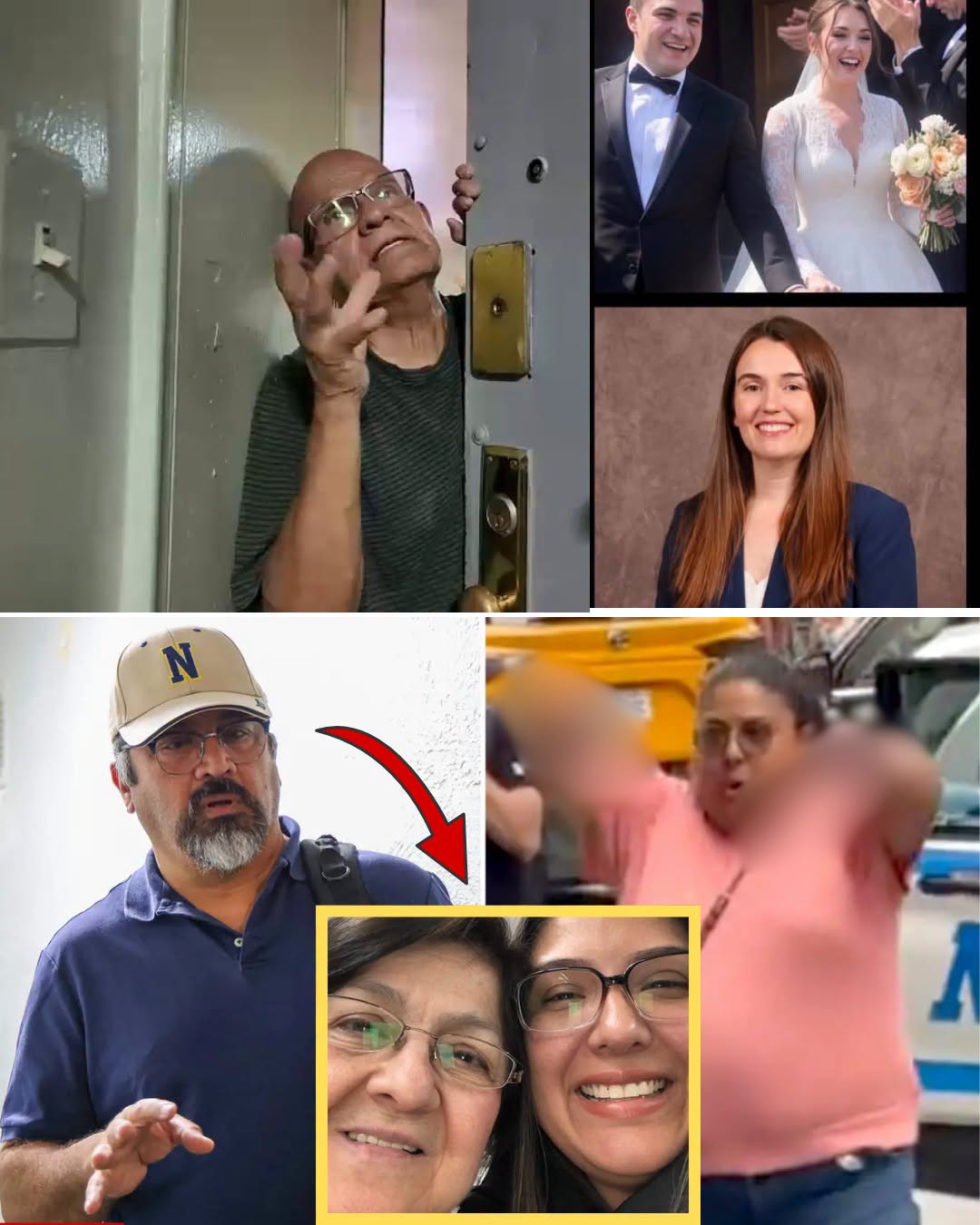
Police Commissioner Jessica Tisch said after the Aug. 31 incident that Cisneros had previous interactions with police related to her mental health but had no known arrest record. CBS New York reported that her father, Mario Cisneros, said he knew about his daughter’s struggles and believed she was receiving help.
Her father also described a daughter who was far more complicated than the horrifying headlines that would later surround her.
He publicly apologized to the victims and their families, saying he was suffering alongside them and struggling to understand what had happened.
That contrast — between the daughter her family believed they knew and the woman police encountered in Times Square — has become one of the most haunting aspects of the story.
 THEN CAME AUGUST 31
On the afternoon of Aug. 31, Cisneros allegedly attacked two people in Times Square.
The first victim was 68-year-old Tak Kam, who had been visiting New York to see his son. Police said Cisneros attacked him after he exited the subway.
Moments later, she encountered 32-year-old Erin Piacenti.
Piacenti was a Bank of America vice president who had just completed her first day back at work following maternity leave. She had recently become a mother to a five-month-old daughter, Madison.
Piacenti was fatally injured in the attack.
Her death sent shock waves through her family, workplace and the legal and financial communities.
She and her husband, Frank, had recently moved to Chester, New Jersey, where they were beginning a new chapter with their baby daughter.
THE FINAL CONFRONTATION
After the attacks, NYPD officers located Cisneros near the Times Square police substation.
According to police, officers repeatedly ordered her to put down the knives she was holding.
She refused.
Police said officers attempted to use Tasers, but they were ineffective. Cisneros then advanced toward the officers while still holding the weapons.
Two officers ultimately fired their service weapons, and Cisneros was taken to Bellevue Hospital, where she was pronounced dead. The NYPD’s Force Investigation Division is investigating the police shooting.
The incident was not immediately explained by any known connection between Cisneros and the victims.
Police described the attack as random and unprovoked.
WHAT HER FATHER SAW — AND WHAT HE DIDN’T
That is what makes the earlier conversation with her father so difficult to understand.
If the reported exchange is accurate, Mario Cisneros believed his daughter was doing better.
He had seen her struggles before.
He knew she needed treatment.
And when she told him she was fine, he accepted those words.
There was no obvious indication, at least from what has been publicly reported, that he understood what might happen months later.
That does not mean her family could have predicted the tragedy.
Nor does it establish that anyone close to Cisneros ignored a warning sign.
Mental-health struggles can be complicated, and the circumstances leading up to the Times Square attack remain under investigation.
But the tragedy has raised painful questions about how much families can truly know about someone they love — even when they are trying to help.
A FAMILY LEFT WITH QUESTIONS
In the aftermath, Mario Cisneros faced an almost unimaginable reality: his daughter was at the center of a violent incident that claimed another person’s life.
Rather than defend what happened, he expressed remorse.
“I am sorry for what my daughter did,” he said, according to CBS News New York. He also asked forgiveness from the victims and their families.
Meanwhile, Erin Piacenti’s family is left to raise her five-month-old daughter without her.
A fundraiser established in Madison’s name has drawn an extraordinary wave of support. Within days, hundreds of thousands of dollars had been pledged to help secure the baby’s future.
For those who knew Piacenti, she was not simply a victim in a headline. She was a young mother, wife, daughter, sister, friend and accomplished professional whose life had been moving forward.
She had returned to work that day expecting to go home to her baby.
Instead, her family was forced to confront an unimaginable loss.
THE QUESTION THAT REMAINS
The most disturbing part of Pamela Cisneros’ story may not be the final moments in Times Square.
It may be the months before them.
The moments when her family believed she was improving.
The conversations that seemed ordinary.
The reassurance that everything was okay.
And the possibility that, behind those words, something was happening that the people closest to her did not fully see.
Her father’s belief that she was fine was not proof that he had failed her.
It was the belief of a parent who wanted to believe his daughter was getting better.
And sometimes, that is what makes tragedies like this so difficult to comprehend.
Because the people who love us most may see us every day — and still never know everything we are carrying inside.