William Carter Left a Youth Facility in 2024 — Investigators Now Believe He May Be Living on the Streets With His Father
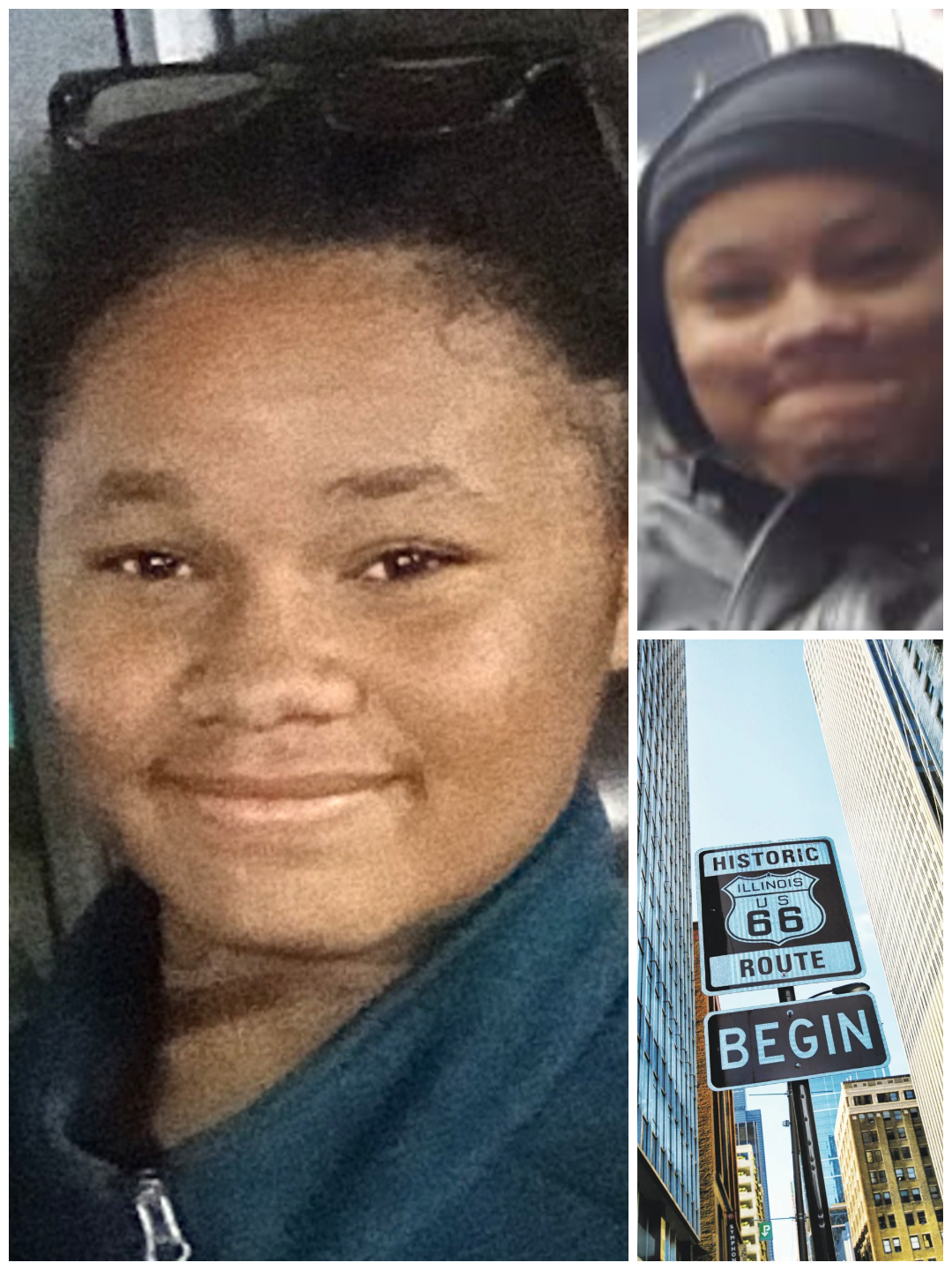
When William Carter disappeared from Chicago in November 2024, the public information surrounding his case was remarkably limited.
He had left a youth facility.
He was 12 years old.
And then he was gone.
Nearly two years later, investigators still have not located him. But the National Center for Missing & Exploited Children has now highlighted a much more specific possibility about where William may be — and who may be with him.
Investigators believe William may be living on the streets with his homeless father.
That does not mean authorities have confirmed his current location.
It does not mean there has been a recent verified sighting.
But unlike a case in which investigators have no idea where a missing child might have gone, William’s search now has a working possibility: he may be moving through public spaces without a fixed address, alongside a parent.
And in August 2026, NCMEC decided to put that possibility in front of an entirely new audience — millions of people traveling America’s most famous highway.
William Disappeared After Leaving a Youth Facility
William L. Carter was last seen in Chicago on Nov. 14, 2024.
Public missing-child records identify him as having been born in April 2012, meaning he was 12 when he disappeared. He is now 14.
NCMEC’s newest description adds an important piece of context that was not emphasized in many of the earlier basic missing-person notices:
William disappeared after leaving a youth facility.
The organization has not publicly provided a detailed account of why William was staying there, exactly how he left or what happened immediately afterward.
Those unanswered details matter.
But they also create a clear dividing line in the case.
There was a known place where William had been staying.
Then he left.
Everything after that becomes much harder to reconstruct.
Investigators Believe His Father May Be With Him
The most significant development in NCMEC’s 2026 update is the belief that William may not be alone.
According to the organization, investigators believe he may be living on the streets with his homeless father.
That wording is important.
“May be” is not the same as “has been confirmed to be.”
NCMEC does not say investigators have recently seen William with his father.
It does not identify a current neighborhood, shelter, encampment or transportation route associated with them.
And the organization does not publicly explain what evidence led investigators to develop that possibility.
Still, the theory gives the public something much more concrete to watch for.
Instead of looking only for a missing child traveling by himself, people are being asked to consider that William may appear to be simply accompanying a parent.
That can make recognition more difficult.
To a stranger, a boy walking beside his father may not look like a missing-child case at all.
Why Having No Fixed Address Can Complicate a Search
If investigators’ working possibility is correct, the lack of a stable address could create an enormous challenge.
Traditional searches often begin with places that can be checked repeatedly: homes, schools, workplaces, relatives’ residences and known businesses.
A person living without a permanent address may not follow that kind of predictable pattern.
Locations can change frequently.
People may sleep in shelters, vehicles, temporary accommodations or public spaces.
They may move between neighborhoods or even cities without creating the kinds of records associated with a permanent residence.
That does not mean William and his father are doing any specific one of those things.
Authorities have not publicly said that.
But it helps explain why a case involving possible homelessness may depend heavily on recognition by ordinary people rather than simply locating an address.
Someone working at a restaurant, transit station, convenience store or hotel could potentially encounter a missing child without knowing anything about the case.
That is exactly the kind of gap NCMEC’s latest campaign is designed to address.
Why Route 66 Suddenly Matters
In August 2026, NCMEC launched a special campaign tied to the 100th anniversary of Route 66.
The historic highway begins in Chicago before stretching more than 2,400 miles toward Santa Monica, California.
Instead of treating the centennial only as a celebration of American road-trip culture, NCMEC used the increased travel attention to spotlight missing children from communities along and near the route.
William was the first case featured under Illinois.
The message to travelers was simple:
Look at his face.
Remember it.
And stay alert.
NCMEC specifically noted that a missing child could be recognized at an ordinary place such as a diner, gas station, hotel or roadside attraction.
For William’s case, that strategy makes particular sense.
If investigators believe he may be living without a fixed address, then the people most likely to notice him may not be traditional witnesses who know him personally.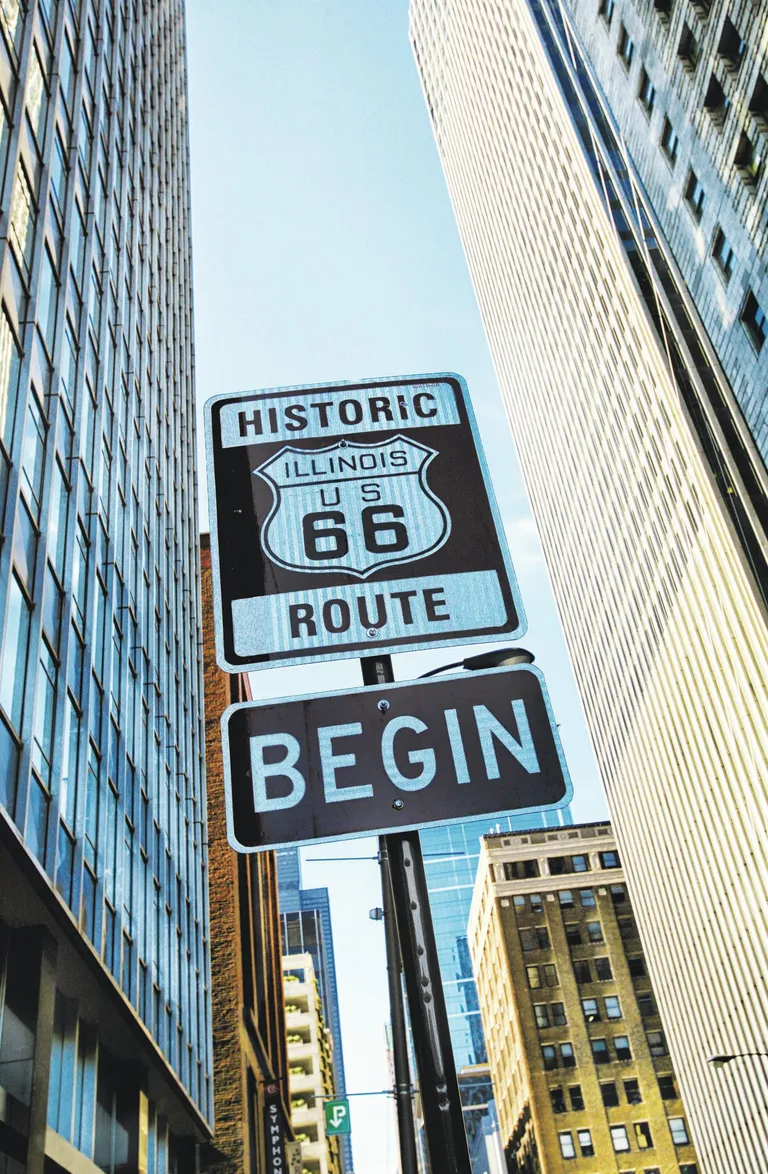
They may be strangers.
Route 66 Does Not Mean William Is Traveling Route 66
There is an important distinction.
William’s inclusion in the Route 66 campaign does not mean investigators have announced that he and his father are traveling west along the highway.
There is no publicly confirmed sighting placing him somewhere else on Route 66.
The campaign is about visibility.
Chicago is the traditional starting point of Route 66, and the centennial gives NCMEC access to a huge audience of travelers entering and leaving the city.
That means William’s photograph could reach people who might otherwise never see a Chicago missing-child poster.
And for a teenager who has now been missing for nearly two years, that renewed exposure matters.
A Face Can Be More Useful Than an Address
William’s case illustrates why long-term missing-child investigations sometimes change strategy.
In the beginning, investigators may focus heavily on the location from which a child disappeared.
As months pass, the search can become less about one place and more about recognition.
William is older now.
His appearance may have changed since the photograph circulated after his disappearance.
People who encounter him may not know he is missing.
And if he is with his father, the situation may look completely ordinary to someone who has never seen William’s poster.
That is why NCMEC repeatedly encourages the public to study missing-child photographs and report information rather than assuming someone else already has.
Authorities Have a Possibility — But Still No Location
That is ultimately what makes the 2026 update different.
Investigators are not publicly saying:
“We have no idea where William could be.”
They are saying something more specific:
He may be living on the streets with his father.
But that possibility has still not produced a confirmed location.
William remains listed as missing from Chicago, and current missing-child listings continue to direct anyone with information to contact law enforcement or NCMEC.
The challenge now is turning a possibility into a sighting.
Someone may have already crossed paths with William.
Someone may have served him food, passed him on a sidewalk or seen him beside an adult without realizing his face belongs on a missing-child poster.
That is the logic behind putting William at the beginning of NCMEC’s Route 66 campaign.
The highway begins in Chicago.
And investigators are hoping that somewhere among the millions of people passing through the city and beyond, someone may recognize the boy who left a youth facility in 2024 — and finally be able to say where he is now.