A Cigarette Was Tossed From a Truck — How Did It Unlock a Murder Case From 2021?
For nearly five years, investigators had DNA from the man they believed could help explain what happened to Kalyn “Penny” Smith.
They just didn’t have his name.
The genetic material had been recovered from beneath Smith’s fingernails after the 30-year-old was found dead in a Tacoma, Washington, ditch in October 2021. Investigators entered the profile into a national DNA database, but no match came back.
Years passed.
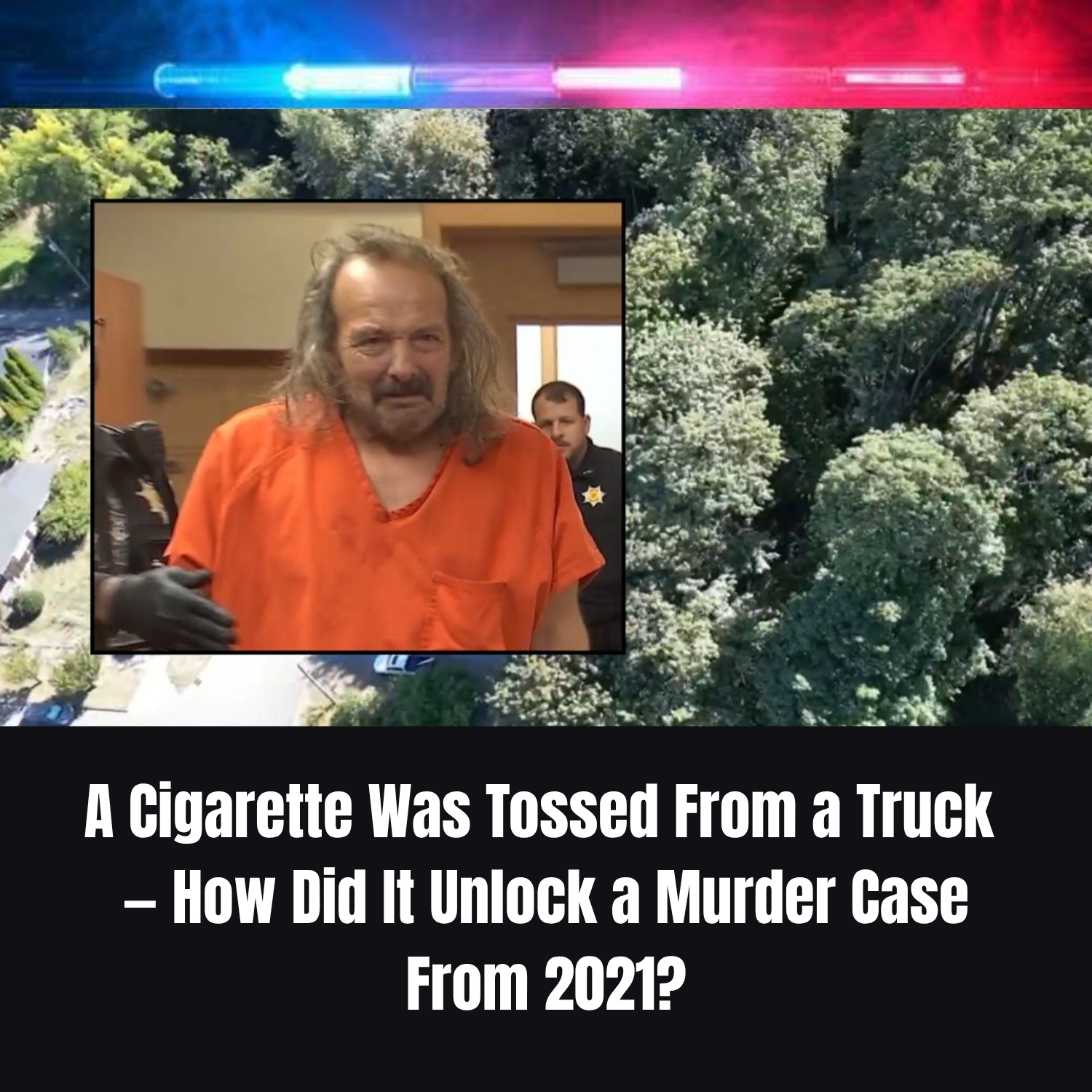
Then, during a traffic stop on June 16, 2026, police say Edwin Lee Newlander tossed a cigarette from a pickup truck.
Officers picked it up.
That discarded cigarette would eventually provide investigators with something the Smith case had been missing since 2021: a DNA sample tied to a specific person.
Authorities say testing associated Newlander’s DNA with evidence from Smith’s homicide and two separate sexual-assault investigations.
Now Newlander, 59, faces a murder charge in Smith’s death. He has pleaded not guilty, and the allegations against him have not been proven in court.
But the extraordinary sequence raises one obvious question:
How could one cigarette unlock a murder investigation that had been stalled for almost five years?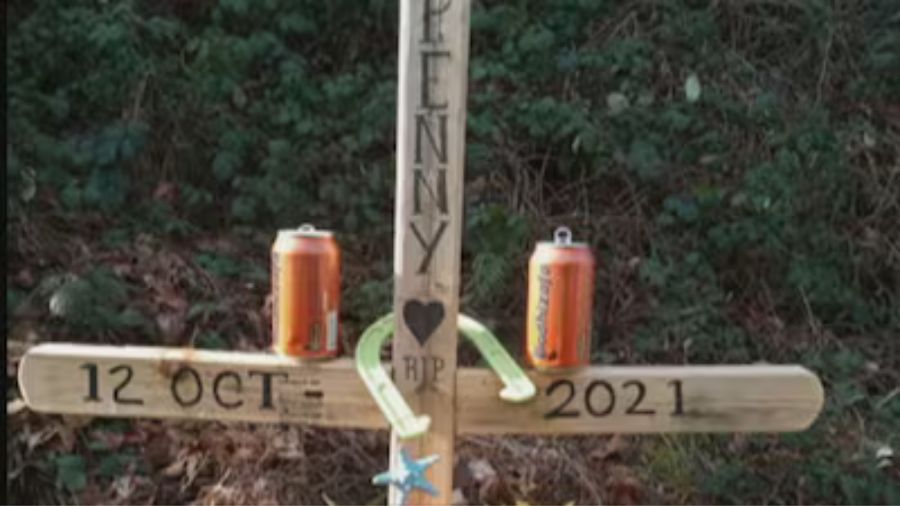
A Woman Was Found in a Ditch in Tacoma
The case began on the morning of Oct. 12, 2021.
At about 7:30 a.m., Tacoma police were called to the 3100 block of East M Street after a woman’s body was discovered in a ditch near McKinley Park.
The woman was later identified as Kalyn P. Smith.
According to court records cited by multiple news outlets, Smith had abrasions and bruising on her body. The medical examiner determined that she died from asphyxia caused by compression of her neck, and her death was investigated as a homicide.
There was also an unusual witness account.
A witness reported seeing a dark SUV in the area. The driver allegedly told the witness that there was a body alongside the road before driving away.
Because it was dark, however, the witness could provide only a limited description of the driver.
The physical evidence would eventually become far more important.
Investigators collected fingernail clippings from Smith and found male DNA.
That was potentially critical. DNA under a victim’s fingernails can sometimes reflect physical contact close to the time of death, although the presence of DNA alone does not establish when or how it was deposited.
Police submitted the genetic profile to CODIS, the FBI’s national DNA database system.
There was no match.
For years, the DNA remained evidence without an identified person attached to it.
Then Another Case Produced the Same DNA
The first major break did not come from Smith’s homicide investigation itself.
It came from another woman.
In December 2025, a woman identified in court records as J.H. reported being sexually assaulted and underwent a forensic examination.
Months later, investigators received a striking result.
In March 2026, detectives learned that DNA connected to the 2025 sexual-assault investigation matched the DNA recovered from beneath Smith’s fingernails.
And investigators say there was another connection.
The same genetic profile was also linked to evidence preserved from a separate 2019 sexual-assault investigation.
Suddenly investigators were no longer looking at one isolated DNA profile.
They appeared to have genetic evidence connecting three different investigations spanning several years.
But a DNA profile is not necessarily a name.
Detectives still needed to identify the person behind it.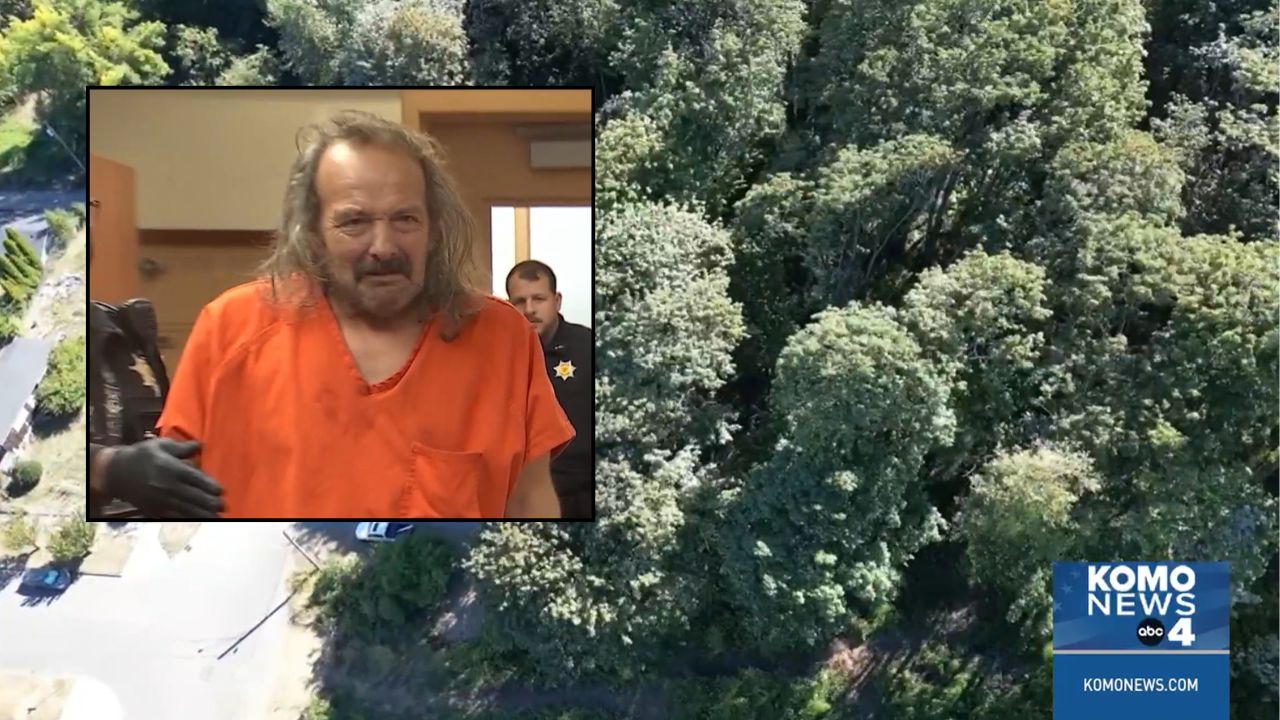
A Survivor Gave Police a Name: “Ed”
In May 2026, investigators interviewed J.H. again.
According to court records summarized by The New York Times, she described one of the men who allegedly assaulted her as a white man in his 50s who was short, stocky and balding.
She also gave investigators a first name:
“Ed.”
That description would become another piece of the puzzle.
Then the investigation took another troubling turn.
On June 9, 2026, J.H. was found dead at a Tacoma-area gas station.
Her death was ultimately ruled an overdose rather than a homicide. But investigators examining surveillance footage reportedly noticed a distinctive pickup truck in the parking lot within roughly an hour of her death.
Authorities later linked that vehicle to Edwin Newlander.
One week later, police got the DNA sample they needed.
The Cigarette That Changed the Investigation
On June 16, Tacoma police stopped a pickup truck.
During the traffic stop, authorities say Newlander flicked a cigarette out of the vehicle.
Police retrieved the cigarette butt and preserved it as evidence.
A cigarette filter can retain biological material from saliva and skin cells left by the smoker. Investigators sent the discarded butt to the Washington State Patrol Crime Laboratory for DNA testing.
In August, detectives were notified of the result.
According to court documents, the DNA profile obtained from the cigarette was associated with the evidence from all three investigations: Smith’s 2021 homicide, the 2019 sexual-assault case and the 2025 sexual-assault case.
The cold DNA profile finally had a person investigators could question.
And what Newlander allegedly told detectives would become another significant part of the case against him.
Police Say Newlander Admitted Knowing Smith
Detectives interviewed Newlander on Sept. 2, 2026.
According to the probable-cause account, Newlander acknowledged encountering Smith.
He initially told investigators that he had picked her up near Puyallup Avenue and Portland Avenue because he was trying to make a new friend.
Newlander claimed that Smith later attacked him, scratching his face and arms and biting his thumb. He denied striking or grabbing her and said he eventually made her get out of the vehicle.
But investigators say his account changed during questioning.
Newlander later described spending time with Smith on other occasions and said that on the night she died, she left his vehicle near McKinley Park.
Police also asked what Smith had been wearing.
Newlander reportedly recalled pajama-style pants with a floral or animal pattern.
Smith had in fact been found wearing flannel pajama bottoms with an animal print, according to the arrest documents cited by local reporters.
Newlander continued to deny killing or intentionally harming her.
Investigators arrested him on Sept. 3.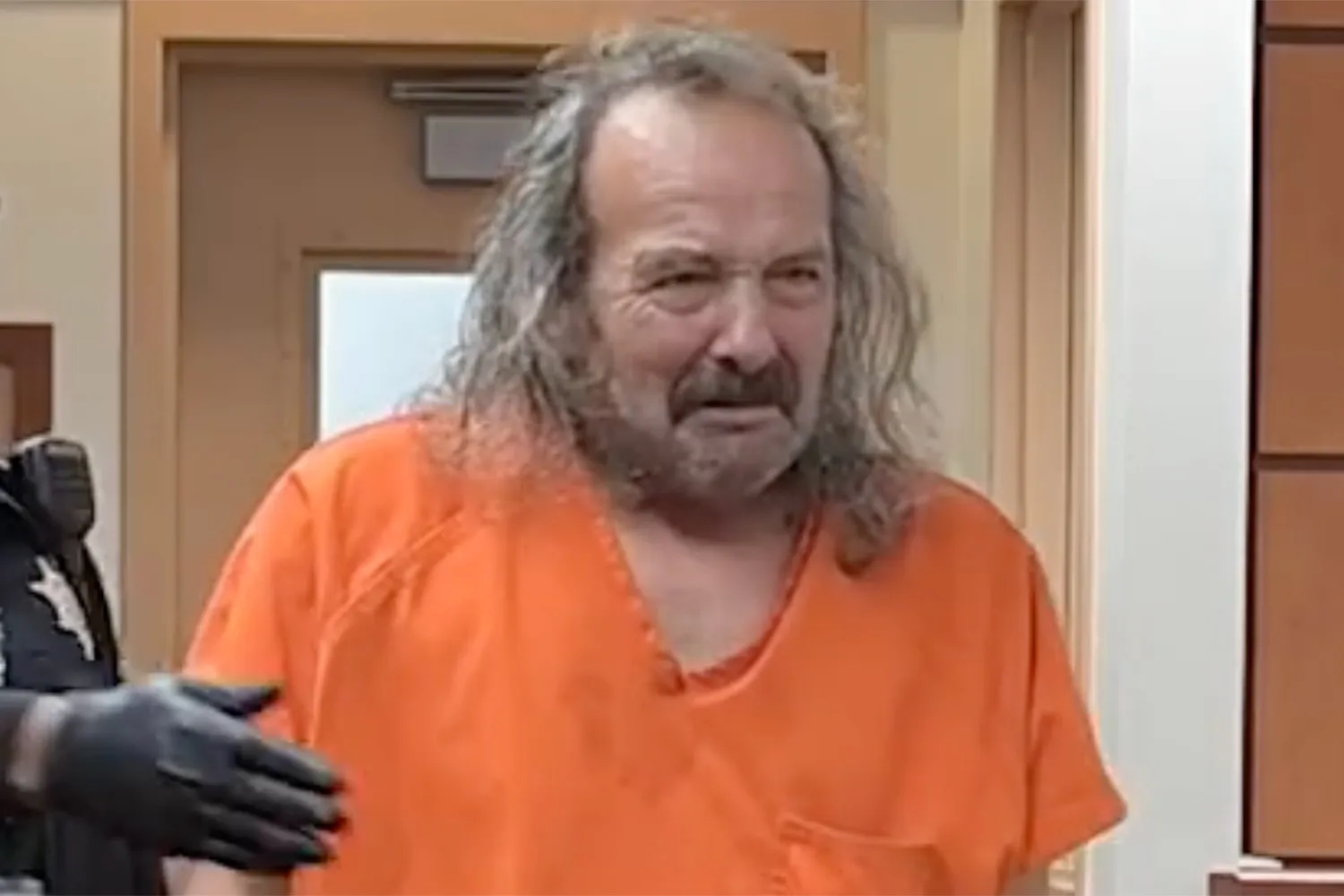
Nearly Five Years After Smith’s Death, a Suspect Was in Court
Newlander appeared in Pierce County Superior Court in September 2026.
Major outlets including The New York Times, PEOPLE and KOMO reported that he was charged with second-degree murder in connection with Smith’s death. A not-guilty plea was entered, and his bail was set at $1 million.
The sexual-assault investigations remain separate. Reporting based on the probable-cause documents says investigators have been examining Newlander in connection with those cases, but the existence of matching DNA does not itself establish criminal guilt.
That distinction matters.
Newlander is accused, not convicted, and prosecutors will ultimately have to prove their case in court.
Still, the forensic trail provides a remarkable illustration of how evidence preserved from an unsolved crime can suddenly become valuable years later.
The DNA Was Waiting for the Right Comparison
It is tempting to describe the cigarette as the single piece of evidence that solved the case.
The reality is more complicated.
The crucial DNA had been preserved since Smith’s death in 2021.
Investigators kept it.
The profile was entered into CODIS.
Then evidence from another alleged attack appeared in 2025.
In March 2026, forensic testing connected those cases.
J.H. provided investigators with the name “Ed” and a physical description.
Surveillance footage reportedly provided a vehicle clue.
Finally, the cigarette butt gave police a direct reference sample they say belonged to Newlander.
It was not one clue acting alone.
It was several pieces of evidence, collected years apart, finally intersecting.
For Smith’s friend Destiny Fann, the arrest brought complicated emotions. She told local media that Smith, whom she knew as “Penny,” had faced difficult periods in her life, but she wanted those struggles not to overshadow who her friend was or the justice she deserved. Fann remembered Smith as someone who still found beauty in life despite those difficulties.
For almost five years, investigators had preserved a genetic clue beneath Kalyn Smith’s fingernails.
They simply needed something to tell them whose DNA it was.
According to police, that something turned out to be an object that might ordinarily disappear beneath a tire or be swept from the side of a road:
a cigarette tossed from a truck window.