Sinister ‘Cat in the Hat’ Trend Spreads From School Threats to a Real-Life Chase
A teenage girl was walking through a Canadian neighborhood at night when a figure dressed like one of childhood’s most familiar characters allegedly began chasing her.
The costume resembled the Cat in the Hat.
The encounter on Aug. 24 in West Kelowna, British Columbia, ended with the girl reaching home safely. But the person inside the costume disappeared, leaving police trying to determine who was responsible and why someone dressed as a Dr. Seuss character would pursue a teenager through a residential area.
The incident has taken on an even more unsettling dimension because it unfolded while a separate Cat in the Hat-themed social media trend was spreading through communities across the United States, generating school warnings, police investigations and arrests of children as young as 12.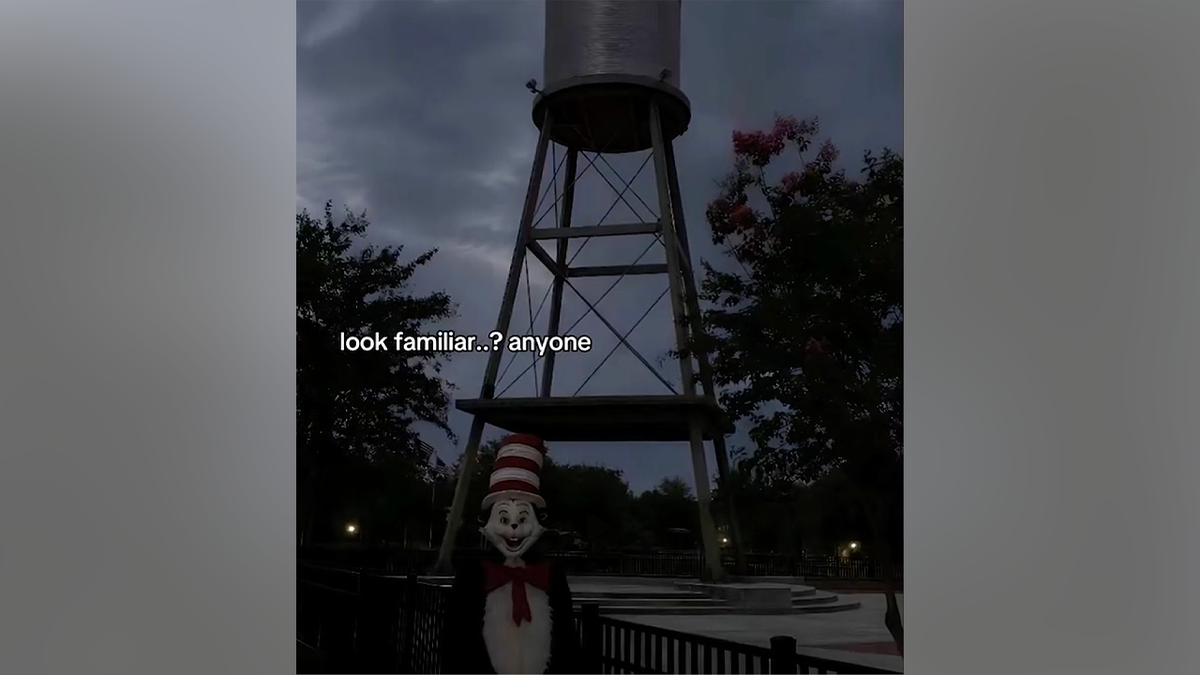
A Nighttime Walk Turned Into a Frightening Chase
The unidentified teenager was walking in West Kelowna at about 9 p.m. when she encountered the costumed person.
Authorities said the figure allegedly followed and chased her, causing the girl to fear for her safety. She managed to get away and make it home.
Police have not identified the person behind the costume.
Investigators are now seeking security-camera, doorbell-camera and dashcam footage from the area around the 2000 block of Shamrock Drive near the time of the incident.
Canadian authorities emphasized that simply wearing a costume is not illegal. The situation changes, however, when someone begins following another person in a way that creates reasonable fear.
Depending on the circumstances and available evidence, behavior that begins as an apparent prank can potentially lead to consequences involving harassment, threats, intimidation or assault.
Police also urged anyone who believes they are being followed to move toward an area with other people, contact a trusted adult and call emergency services if immediate danger exists.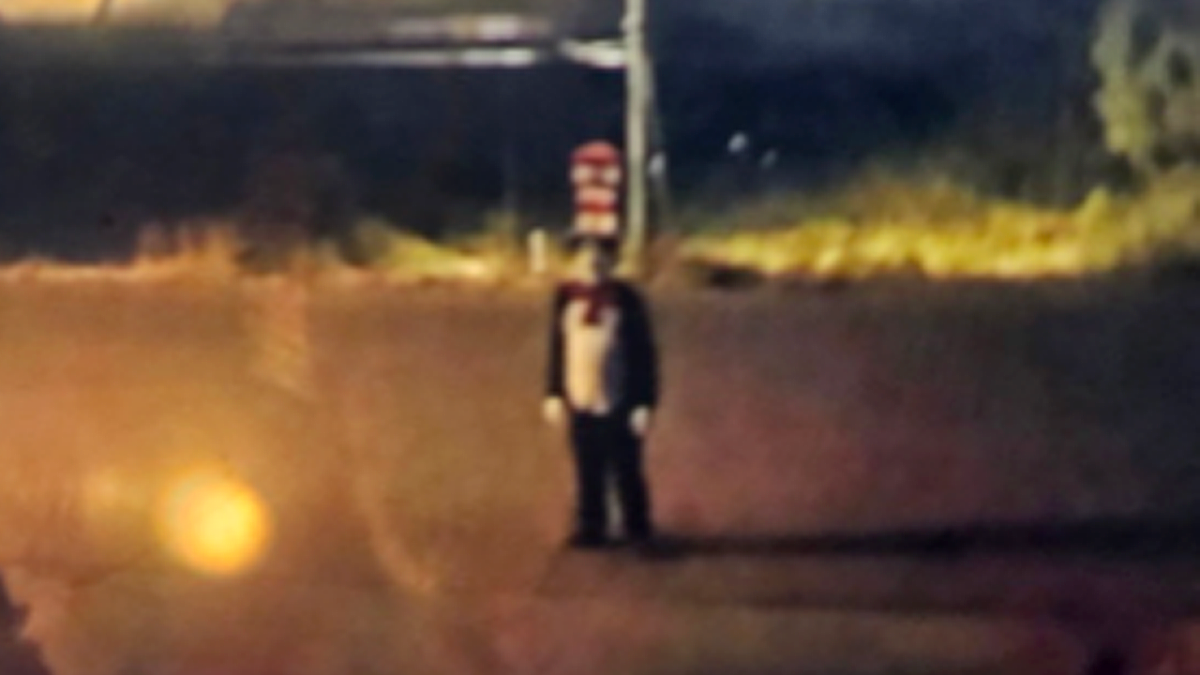
Police Have Not Linked the Chase to the Online Trend
There is currently no announced connection between the West Kelowna encounter and the online phenomenon spreading through the United States.
But the similarities have drawn attention.
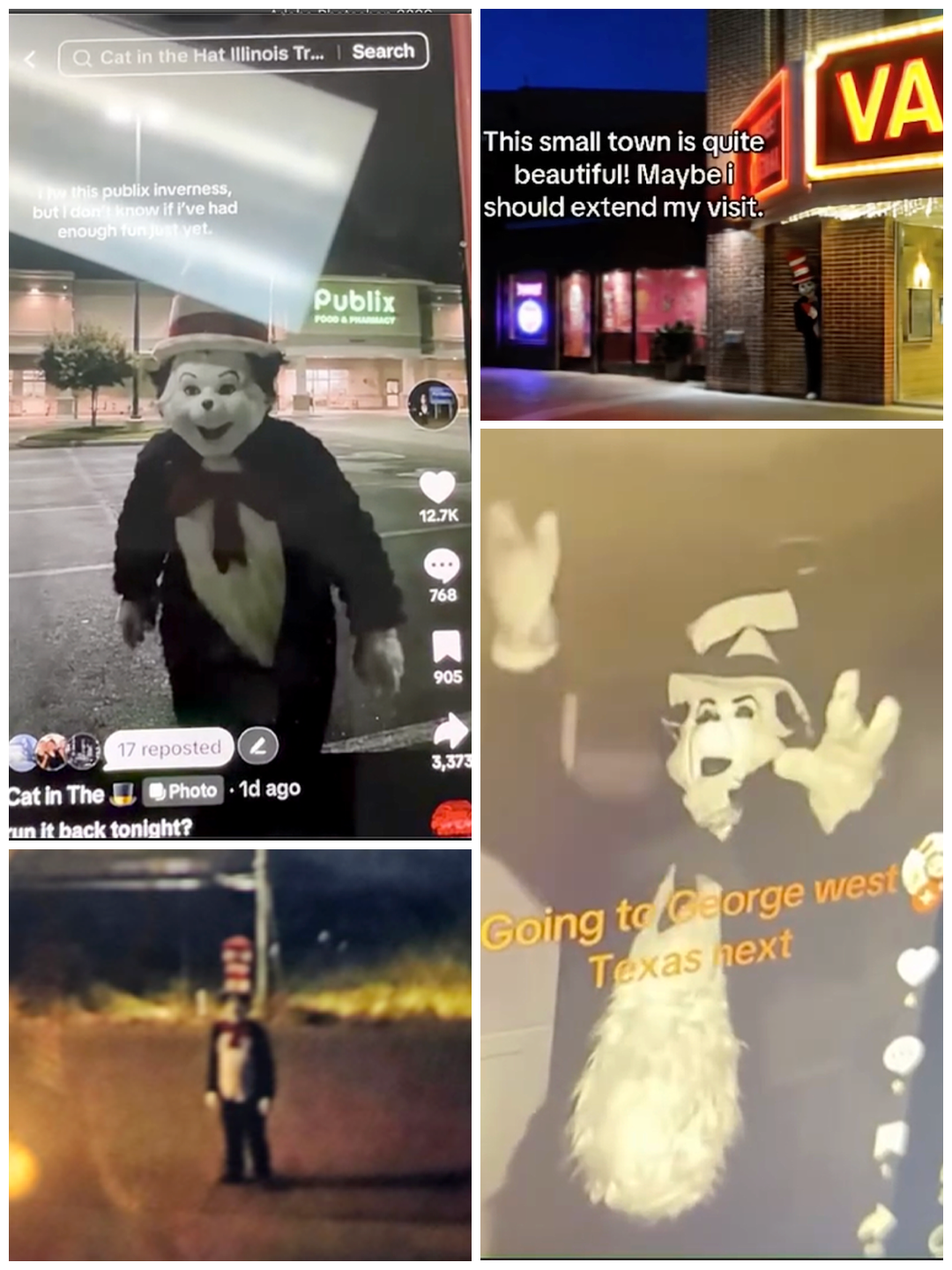
Across social media, accounts have been circulating disturbing images and videos that transform the normally playful Cat in the Hat into something far more menacing.
Some of the content is edited or generated with artificial intelligence.
The images can show the character standing outside houses, appearing near schools or lurking around communities. In more serious cases, anonymous users have attached the names of schools, students, employees or entire towns to the posts.
Some have included ominous wording or apparent threats.
That has forced police departments and school officials to determine whether each post is simply an attempt to frighten people online or evidence of a legitimate danger.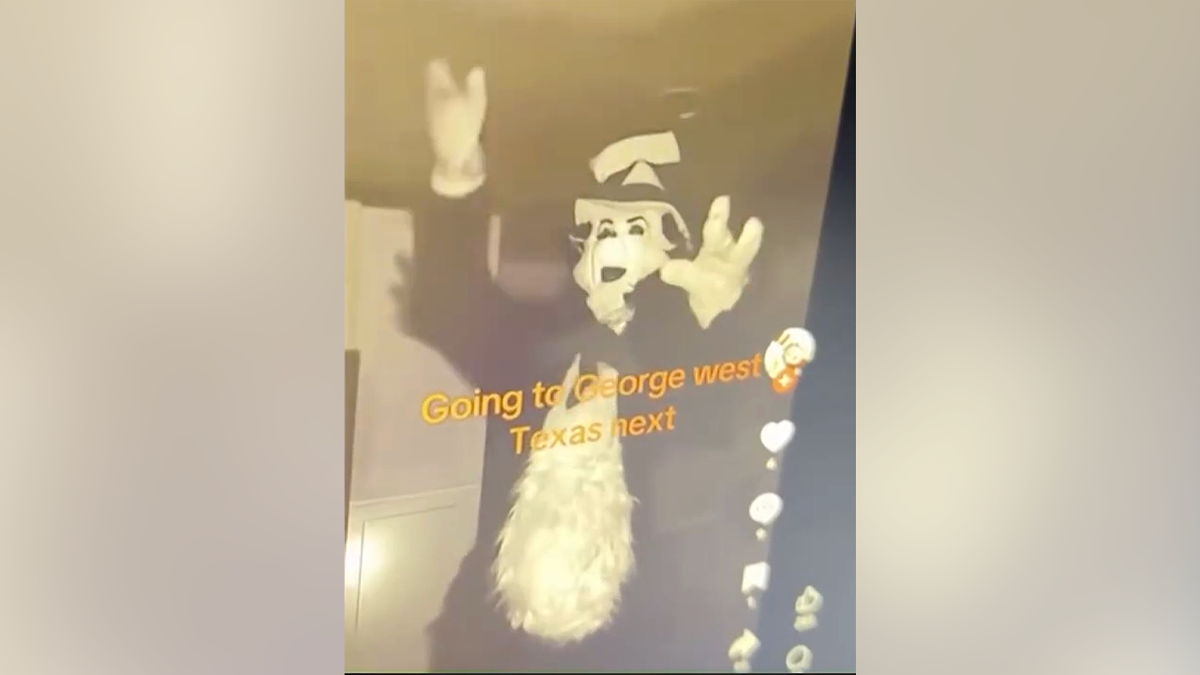
Schools From California to Florida Have Been Pulled Into the Trend
The posts have appeared in multiple states, leading some police agencies to increase their presence around campuses even when investigators found no credible threat.
In Baldwin Park, California, police began reviewing concerning posts that mentioned local schools and identified students and staff.
Authorities warned that threats involving schools would not simply be dismissed because someone later claimed the material was a joke.
In Virginia, the Hanover County Sheriff’s Office investigated content involving Mechanicsville High School. Deputies increased their presence at the school while working to identify whoever controlled the account behind the posts.
A similar response unfolded in Florida.
The St. Johns County Sheriff’s Office investigated posts referencing county schools. Investigators did not identify a credible threat, but law enforcement presence around campuses was increased as a precaution.
Texas communities have faced similar disruptions.
Authorities in Frio County said some accounts had attached school names, communities or lists of students to threatening Cat in the Hat imagery. Investigators did not believe posts involving the area represented a credible threat, but patrols around schools were increased anyway.
Police Say Sharing the Posts Can Make the Problem Worse
One of the strongest messages from law enforcement has been directed not just at the people creating the content, but also at those sharing it.
When frightening posts begin circulating among parents and students, the instinct may be to repost them as a warning.
Police are asking people not to do that.
Instead, investigators recommend taking screenshots that preserve the account name, threatening material, date and time, then sending the information directly to school officials or law enforcement.
Authorities say constantly recirculating a threatening image can dramatically expand its audience while making it more difficult to identify where the material originated.
In Texas, police departments warned that creating, copying or distributing these posts may result in consequences extending far beyond school discipline.
Possible charges could involve cyberbullying, harassment, false reports or terroristic threats, depending on the circumstances.
The claim that something was intended only as a prank may not prevent an investigation or arrest.
Teenagers and Children Have Already Been Arrested
Those warnings are not hypothetical.
Authorities in several states have traced threatening Cat in the Hat-themed accounts back to juveniles.
In Berwick, Louisiana, four girls between the ages of 13 and 15 were arrested after police connected them with TikTok accounts that had alarmed schools and families.
Three of the girls faced charges related to terrorizing or menacing, while the fourth was accused of cyberbullying.
In Florida, a 12-year-old student was accused of posting a written threat to kill connected with the trend.
A 14-year-old student in Colorado was also arrested after a post referenced a middle school and several homes.
Similar cases have led to juvenile arrests or pending charges in Alabama, Ohio and Kentucky.
What may begin as an attempt to create a creepy image, gain attention or imitate something already spreading online can quickly trigger an enormous real-world response.
Parents become frightened. Students wonder whether it is safe to attend school. Police divert officers to campuses. Investigators begin tracing anonymous accounts.
And when specific people or schools are named, authorities have little choice but to examine the possibility that the threat could be genuine.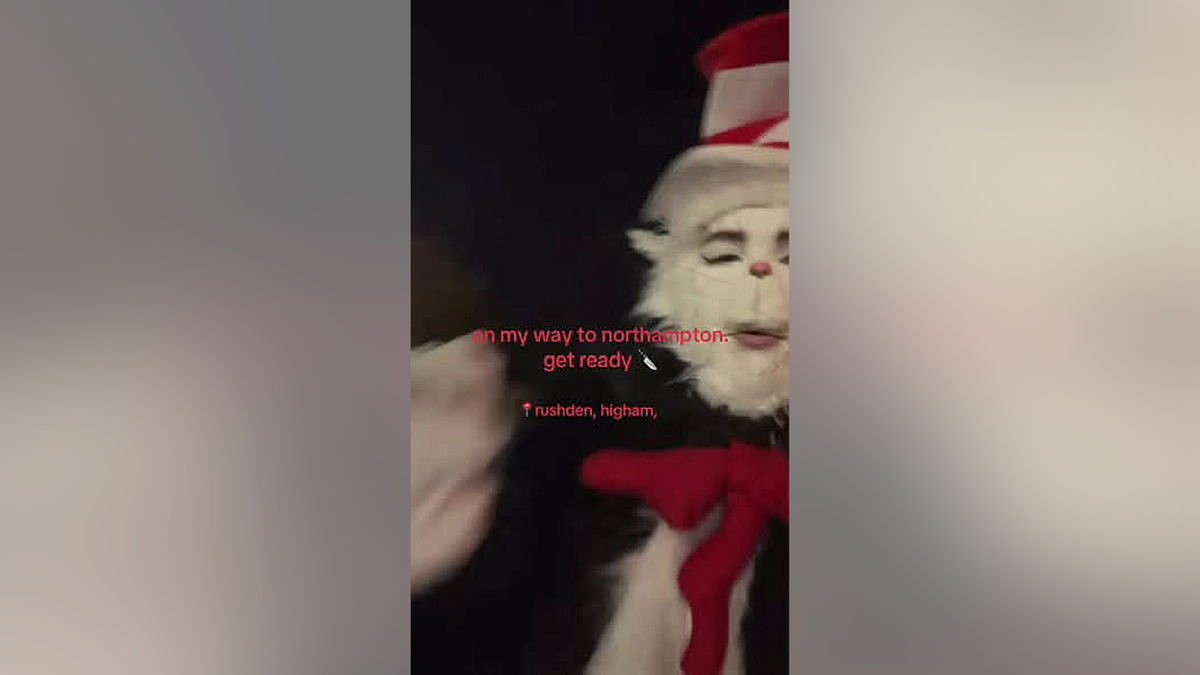
The Costume Has Moved From the Screen Into the Real World
That is what makes the West Kelowna incident particularly disturbing.
Online, the sinister Cat in the Hat can be generated with editing software or artificial intelligence.
In British Columbia, police say an actual person wearing a similar costume allegedly pursued a teenage girl through her neighborhood.
Whether that person had any connection to the viral trend remains unknown.
But the episode illustrates how quickly the line between online scares and real-world behavior can become difficult to see.
Investigators are still trying to identify the costumed figure from the Aug. 24 encounter, while law enforcement agencies elsewhere continue tracking threatening accounts and asking students not to participate in the trend.
A character generations of children knew from a whimsical storybook has now become the face of something very different: anonymous posts, frightened families, heightened police patrols and juvenile arrests.
And for one teenager who encountered a costumed figure after dark, the unsettling image was no longer confined to a phone screen.