THE 50-SECOND FILE UNDER THE BED: WHAT DID LINDSAY CLANCY REALLY SEE BEFORE THE LIGHTS WENT OUT?
THE 50-SECOND FILE UNDER THE BED: WHAT DID LINDSAY CLANCY REALLY SEE BEFORE THE LIGHTS WENT OUT?
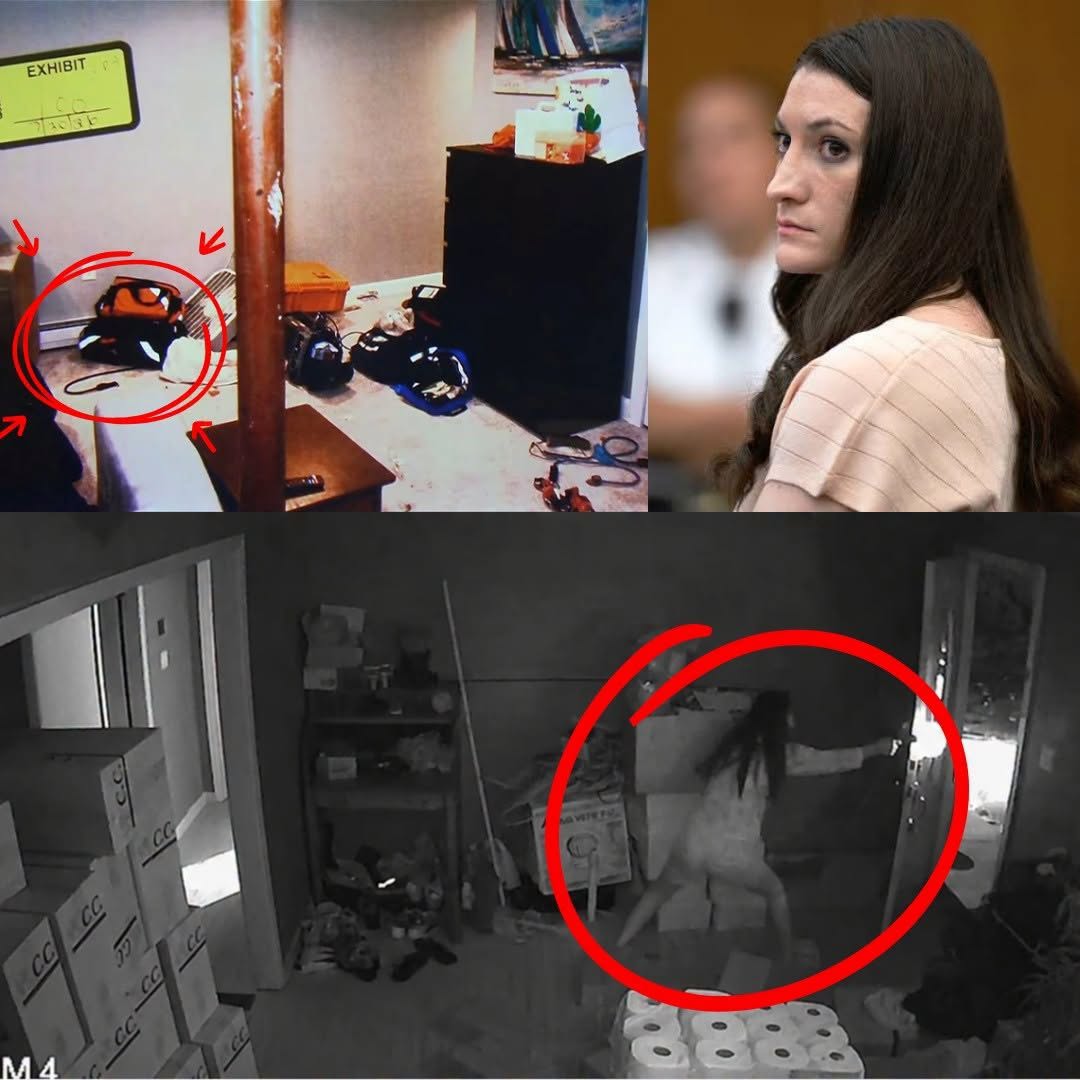
During one final, unscheduled sweep of the Duxbury master bedroom, state forensics swept a flashlight beneath the bed frame, catching the faint reflection of a dusty, unmarked flash drive resting in the dark.
The drive contained no folders or written records, holding only a single, unedited 50-second video file.
The room went deathly silent as investigators played the footage. As the timer ticked to twelve seconds, the lead detective abruptly slammed his hand on the desk, paused the playback, and forced the video speed down to half-time.
Zooming closely into the pixelated shadow visible through the cracked closet door, his expression shifted to complete, paralyzing shock. Behind the silhouette on camera stood an unexpected, unmistakable detail—one that completely shattered the established timeline of events.
The discovery immediately challenged every previous assumption about what occurred inside the house that evening. Forensics experts worked tirelessly to enhance the low-light recording, isolating surrounding audio frequencies to confirm whether another individual had been present moments before the line went dark.
As legal teams and investigators re-examine the physical evidence, this brief clip remains the most crucial piece of the puzzle, potentially altering the entire direction of the case.