He Knew the Treatment Might Be Too Late for Him. Will Roberts Still Fought So the Next Child Might Have a Chance
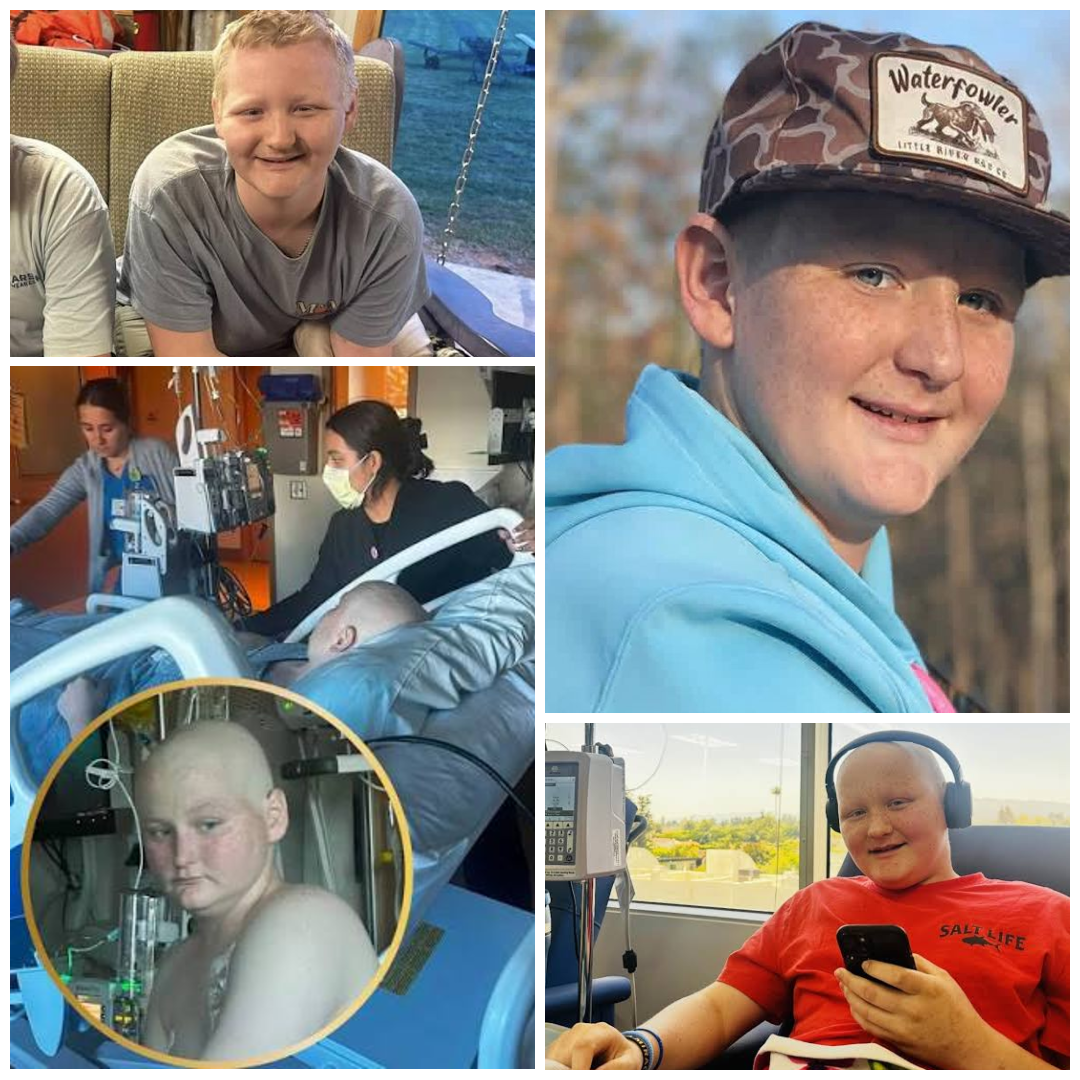
By the time Will Roberts secretly opened his mother’s Facebook account and recorded a plea for help, the 15-year-old Alabama boy already understood something no teenager should have to understand.
The treatments were no longer working.
The cancer had spread.
And time was running out.
Will had been fighting stage 4 osteosarcoma, an aggressive bone cancer, since January 2025. Chemotherapy, surgeries and other conventional treatments had failed to stop the disease. Cancer had eventually cost him a leg, and he had to learn how to walk again. By the spring of 2026, his family was searching desperately for another option.
That search led them to DeltaRex-G, an experimental gene therapy available through doctors in California.
But getting access to it was far from simple.
So on April 22, without telling his parents, Will used his mother Brittney Roberts’ Facebook account and recorded a two-minute video.
He asked strangers to share it.
He wanted it to reach President Donald Trump or Health and Human Services Secretary Robert F. Kennedy Jr. He hoped someone with influence could help him reach the experimental treatment before his body deteriorated further.
The video was frighteningly direct.
Will admitted that he was scared. He said his family had reached what felt like the end of the road and that he wanted desperately to live.
But then he said something that would become one of the defining parts of his story.
He acknowledged that the treatment might not arrive in time to save him.
Even so, he wanted his fight to matter for somebody else.
“If this can help other kids with my cancer, I would love to help anyway that I can,” Will said.
Three months later, Will was gone.
But by then, millions of people had heard him.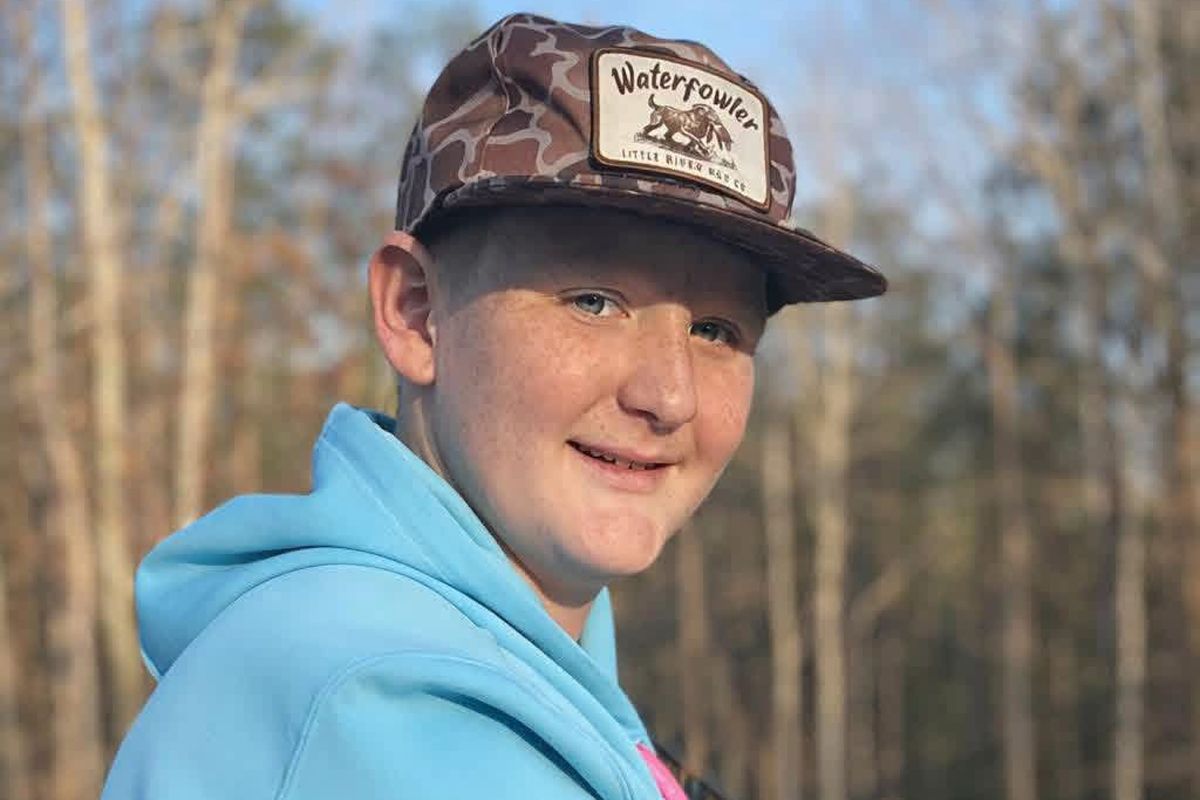
A Video That Changed the Course of His Final Months
Will was from Ralph, a rural community in Tuscaloosa County, Alabama.
Before his illness became a national story, he was known much more simply as a teenager who loved hunting, fishing, sports, the outdoors, his family and his Christian faith. His obituary would later emphasize his humor and his ability to encourage others even during the hardest stages of his illness.
His cancer journey began in January 2025.
Osteosarcoma is the most common malignant bone tumor diagnosed in children and adolescents, but it remains rare overall. Will’s case was already advanced, and over the following year and a half, he endured chemotherapy, surgeries and eventually the loss of a leg as doctors tried to control the disease.
By April 2026, his family said chemotherapy was no longer working.
The teenager who had already been through months of treatment decided to speak for himself.
His Facebook video exploded online.
People reported that it accumulated millions of views and drew attention well beyond Alabama. Dr. Mehmet Oz, then administrator of the Centers for Medicare and Medicaid Services, became involved and helped connect the family with physicians associated with DeltaRex-G in California.
Within weeks, Will was traveling west.
In early May, his mother announced that his platelet levels were high enough for him to begin receiving the experimental therapy in Santa Monica. Will completed his first doses and later continued additional treatment while his family shared updates with the thousands of people now following his journey.
For a teenager who had feared the medicine might never reach him, simply getting there was a victory of its own.
It was not, however, a cure.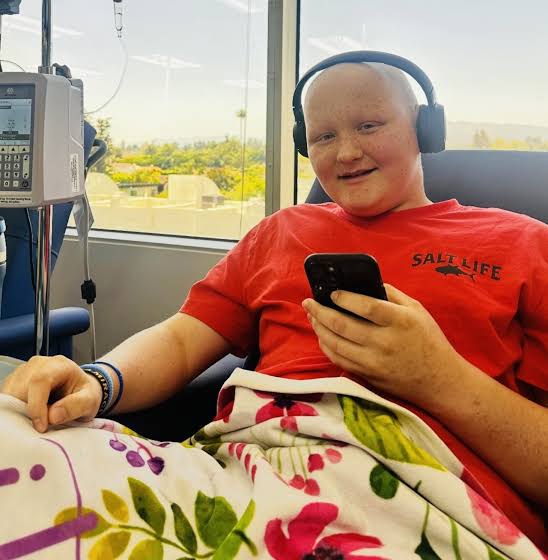
Fighting for More Than Himself
The experimental treatment gave Will and his family something they had been desperately seeking: another avenue to pursue.
But from the beginning, Will’s public campaign carried a second purpose.
He wanted easier access for the patients who would come after him.
His mother later expressed hope that the attention surrounding Will could encourage people in positions of authority to expand access to DeltaRex-G or other experimental options for children with osteosarcoma. Alabama officials later specifically noted that Will and his family advocated for greater treatment access for other children facing the disease.
That is what makes his April video more than a desperate request for help.
Will was openly confronting the possibility that he might not personally benefit enough from the fight he had started.
He still wanted to start it.
For a 15-year-old facing a life-threatening disease, there was an unusual selflessness in that perspective: if the door opened too late for him, maybe it could stay open for another child.
“I’m Determined to Get It”
Will was not passive about his prognosis.
In public appearances before his viral video, he spoke plainly about being afraid to die.
At a cancer awareness event at Shelton State Community College in April, he stood on crutches beside his parents and told an audience that he was scared and did not want to die.
Later, during his public campaign for treatment, he put it even more simply.
“I want my life so bad,” Will told WVTM. “I’m determined to get it. So I’m fighting for it.”
His father, Jason Roberts, said the family had been honest with Will about how slim his chances were.
Their faith remained central throughout the process.
It shaped how Will talked about illness, how his parents understood his suffering and, eventually, how they spoke about his death.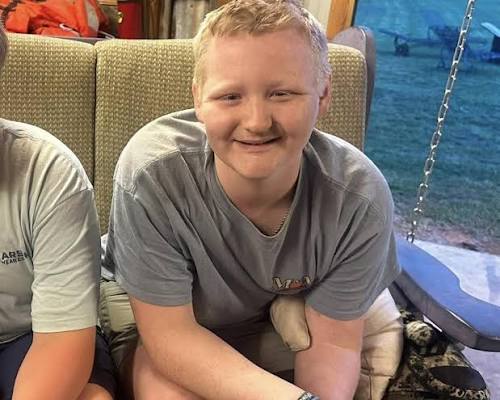
The Cancer Kept Advancing
Despite the experimental treatment and the enormous support surrounding him, Will’s disease continued to progress.
By July, the cancer had spread to his brain.
His mother later said that the progression was affecting his mental capacity. With his condition worsening, Brittney and Jason Roberts made the decision to transition their son to comfort-focused care rather than continue his suffering.
Will died shortly after midnight on July 23, 2026, at Rady Children’s Hospital in San Diego.
Both of his parents were beside him.
He was 15 years old.
The date carried another painful coincidence: it was his mother’s birthday.
In announcing his death, Brittney wrote that Will was finally ringing his “forever cancer-free bell,” drawing on a tradition familiar to many oncology families in which patients ring a bell to mark the end of treatment.
Alabama Said His Name
Will’s story did not end quietly.
On July 29, Alabama Gov. Kay Ivey issued an official proclamation declaring August 1, 2026, “Will Roberts Day” across the state.
Ivey said Will’s courage had inspired Alabama and described him as a young person who continued showing hope and faith throughout his illness. The proclamation specifically recognized the way his fight united people in support of children battling cancer.
August 1 was also the day of his funeral.
Hundreds of people gathered at Shelton State Community College in Tuscaloosa County, the same institution where Will had stood on crutches months earlier and told strangers that he did not want to die.
This time, they came to say goodbye.
Friends and relatives remembered him not merely as a cancer patient but as a country teenager who loved fishing, hunting, laughter and faith.
His family asked people not to define his life by the disease that killed him.
Their message was simple: remember how he lived.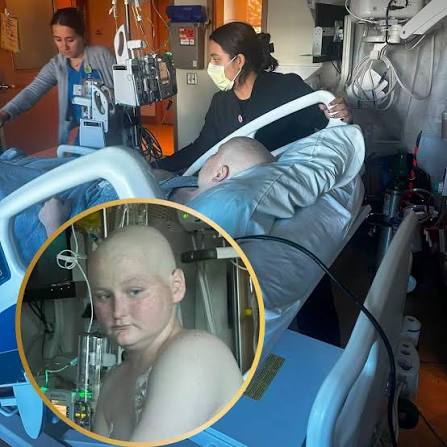
The Door He Tried to Open
Will Roberts did not get the ending he wanted.
The treatment he fought so hard to access did not stop his cancer.
That reality is important, particularly when talking about an experimental therapy whose benefits and risks cannot be reduced to the story of a single patient.
But his failure to survive does not erase what happened after he picked up his mother’s phone.
A frightened teenager in rural Alabama spoke directly into a camera and asked the country to help.
People listened.
Doctors became involved.
A family reached a treatment they had struggled to access.
And Will used the attention not only to ask for his own life, but to question what might happen to the child who came next.
He understood that the medicine might arrive too late for him.
He fought for it anyway.
Because to Will Roberts, there was still one outcome that could make the struggle matter:
that someday another child with osteosarcoma might get a chance sooner than he did.