Caden Was Only 13 When His Heart Suddenly Stopped at Football Practice. Now His Four Siblings Are Being Tested Too.
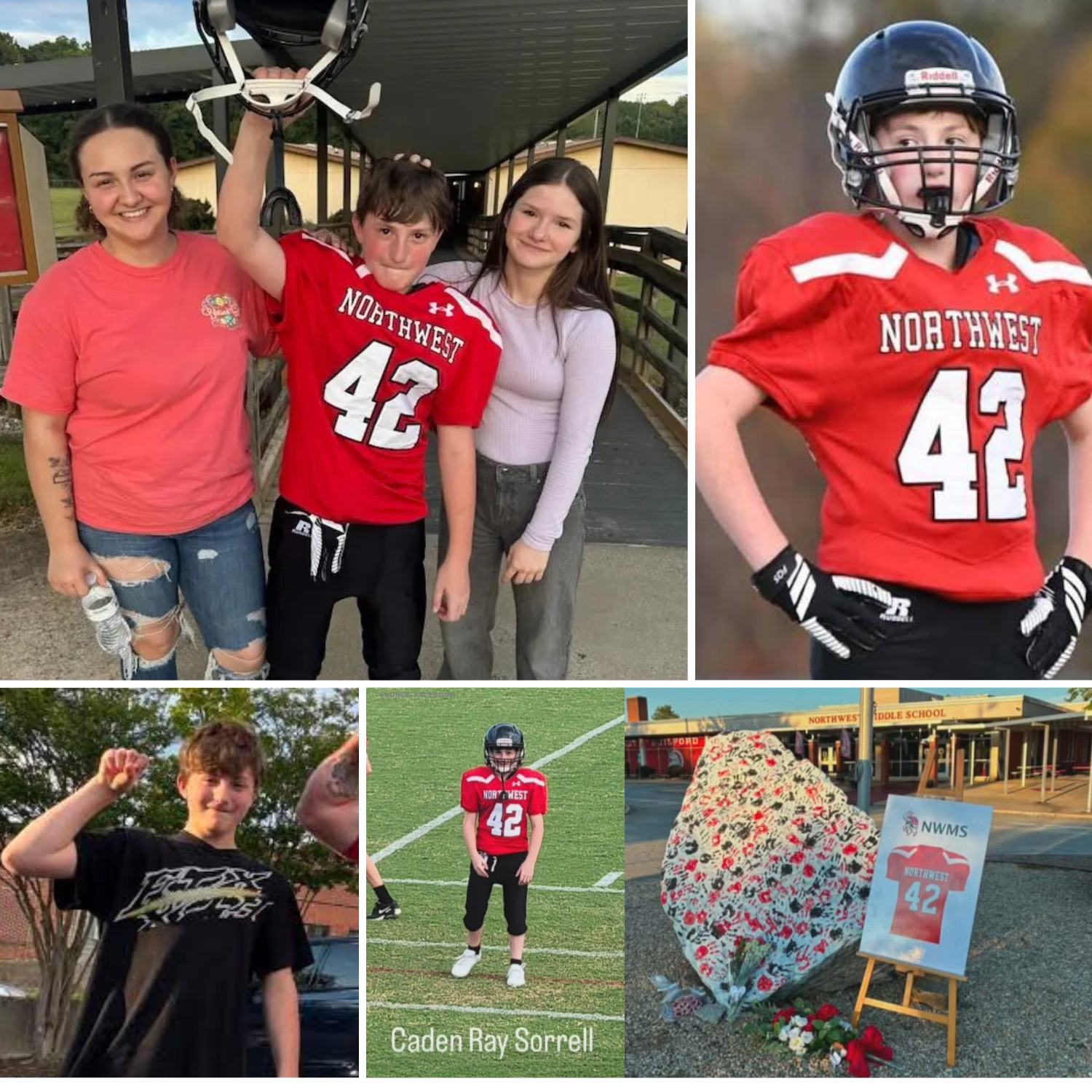
Caden Sorrell went to football practice on August 28 expecting to come home afterward.
He was 13 years old, a student at Northwest Guilford Middle School in North Carolina, and by all accounts seemed healthy.
Practice had barely begun when everything changed.
Caden ran a lap around the football field and suddenly went into cardiac arrest.
Within moments, a normal afternoon became a medical emergency.
He was rushed to the hospital, where doctors used aggressive measures to try to keep his heart and circulation functioning. His family later said the medical team used ECMO, a heart pump and other intensive treatments in an effort to save him.
But the damage was too severe.
Two days later, on August 30, Caden died.
He was only 13.
Now, while his family is mourning the child they lost, they are also confronting another frightening possibility: whatever caused Caden’s heart to stop may not have affected him alone.
Doctors believe an underlying genetic condition could potentially have played a role in his sudden cardiac arrest.
Because of that possibility, Caden’s four siblings — including his twin brother — are now being evaluated by specialists.
The family is searching for an answer that cannot bring Caden back but could prove important for the children who remain.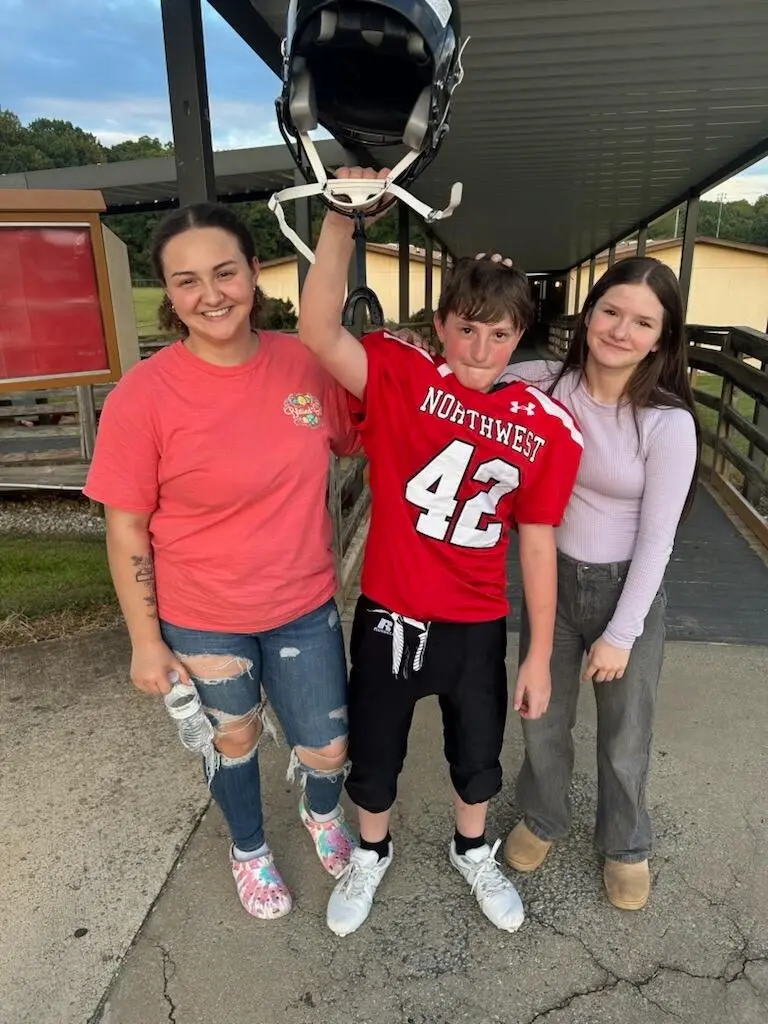
There Had Been No Warning
One of the most difficult parts of Caden’s death is how little warning his family appears to have had.
His older sister, Vanessa Clark, said the family had not known of any previous major health problem.
She described him as a “picture of health.”
He played sports. He was energetic. He went to school and football practice like other children his age.
Then his heart suddenly stopped.
Sudden cardiac arrest is different from a heart attack.
A heart attack generally occurs when blood flow to part of the heart is blocked. Cardiac arrest occurs when the heart suddenly loses its ability to pump blood effectively, often because of an electrical problem affecting its rhythm.
A person can lose consciousness within seconds.
Without rapid intervention, the brain and other organs can quickly become deprived of oxygen.
In some young people, cardiac arrest can be associated with previously undetected structural or electrical abnormalities of the heart. Certain conditions can also run in families.
In Caden’s case, however, the precise cause has not yet been publicly established.
His family has described a possible genetic condition as something doctors are investigating, not as a confirmed diagnosis.
That distinction has become especially important because of what happens next.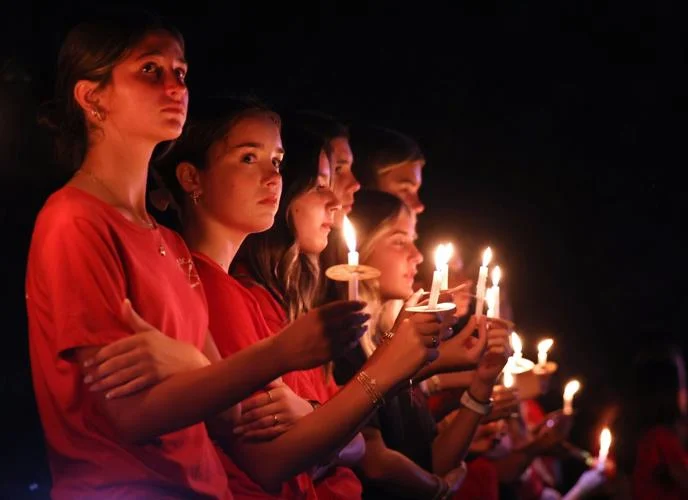
Four Brothers and Sisters Now Need Testing
Caden was one of five children.
He had a twin brother as well as three other siblings.
After his death, the family said doctors recommended that all four surviving children undergo specialist testing because of concerns that whatever happened to Caden could potentially have an inherited component.
For a family already coping with the sudden death of a child, the situation creates a second kind of fear.
They are not only asking why Caden died.
They are asking whether the same hidden risk could exist inside one of his brothers or sisters.
The fact that one of them is Caden’s twin adds another emotional layer to that uncertainty.
The two boys shared the same age, grew up side by side and moved through much of childhood together.
Now one is gone, while the other must undergo medical evaluation because doctors are trying to determine whether his brother’s death reveals something about his own health.
The family has not publicly announced the results of those tests.
For now, they are waiting.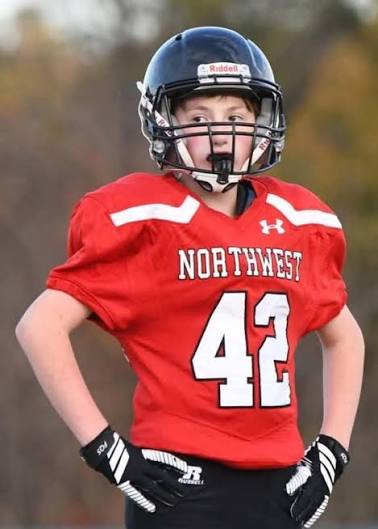
Doctors Tried Everything They Could
After Caden collapsed, his treatment quickly became intensive.
His family said doctors at Cone Hospital used ECMO, short for extracorporeal membrane oxygenation.
ECMO is a form of advanced life support that can temporarily perform some of the work normally done by the heart and lungs. Blood is circulated outside the body, oxygenated and returned while medical teams try to stabilize a critically ill patient.
The family also said doctors used a heart pump and other emergency measures.
Those interventions show how serious Caden’s condition had become.
Despite the efforts, doctors were unable to reverse the damage.
Caden died on August 30.
A fundraiser later created for the family described the loss as completely unexpected and said the money raised would help cover funeral expenses, memorial costs and medical testing for Caden’s siblings.
It would also help his parents take time away from work while the family grieved and attended medical appointments.
“Everyone Called Their Best Friend”
For the people who knew Caden, his final days are not what they want to define him.
His sister described him as brilliant, sweet, smart and kind.
She said he had a way of making people around him feel loved.
In another reflection, she described Caden as “the boy who everyone called their best friend.”
Football was a major part of his life.
He wore No. 42 for the Northwest Guilford Middle School Vikings.
His sister said his coaches and teammates were like a second family to him.
That made one of the first tributes after his death especially meaningful.
Before a game, his teammates held a moment of silence.
Then they took a knee at the 42-yard line in honor of the number Caden had worn.
For those who had practiced beside him only days earlier, the empty space he left behind was suddenly impossible to ignore.
A School Community in Mourning
Northwest Guilford Middle School also created a memorial space where students, teachers and community members could leave messages, flowers and other tributes.
Principal CeCe Matson acknowledged the difficulty of trying to explain the death of a child to other young people.
There were no easy words, she told families.
The school encouraged students and staff to support one another as they processed the loss.
The grief extended beyond the middle school.
A vigil was organized at Northwest Guilford High School’s football stadium, giving the wider community an opportunity to gather in Caden’s memory.
Friends, relatives, classmates and neighbors came together to remember the teenager who had been at practice only days earlier.
Organizers encouraged attendees to wear red, Caden’s favorite color.
For his family, those public tributes offered evidence of how many lives their son had touched in only 13 years.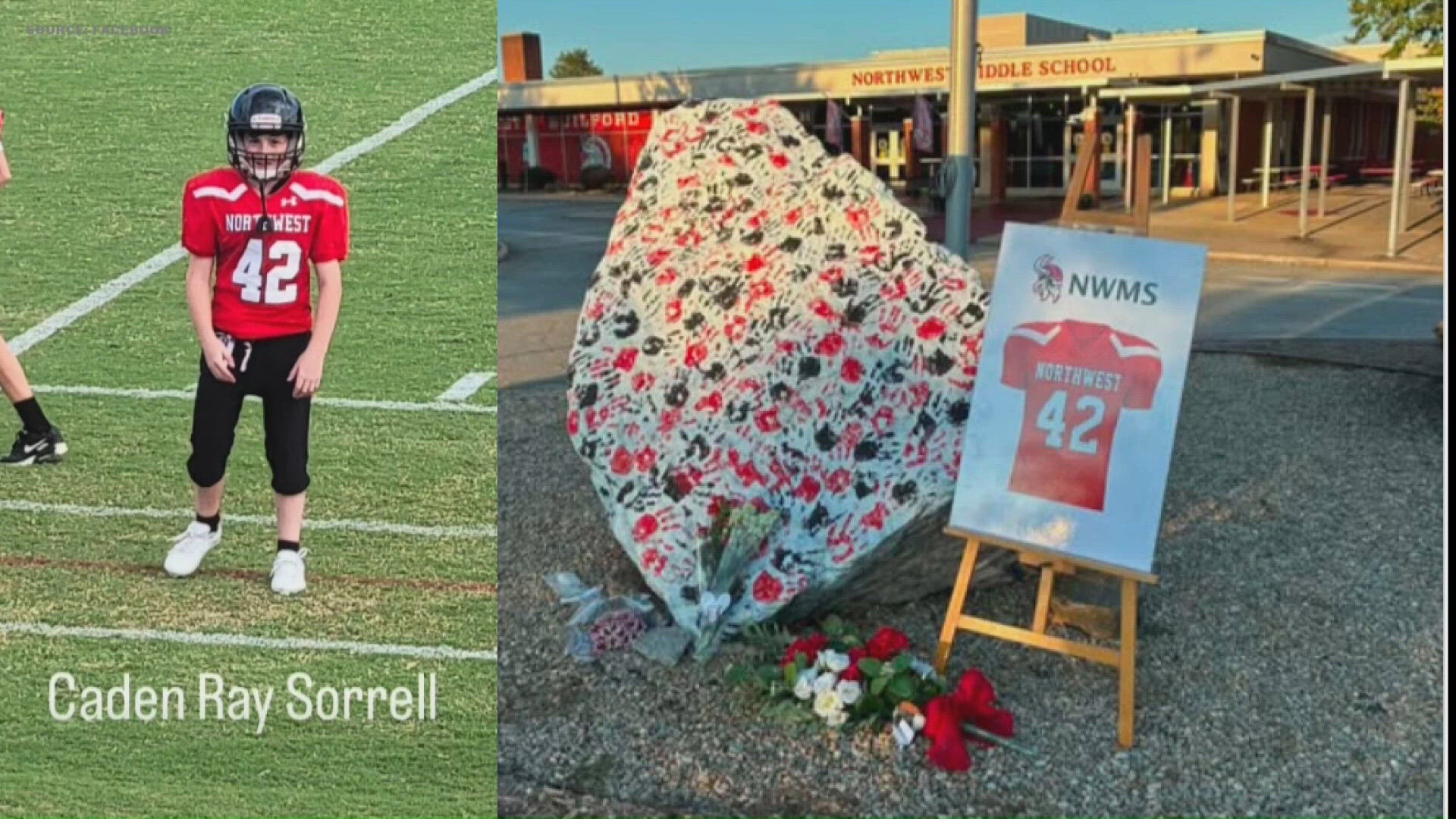
His Death Has Also Raised Questions About Cardiac Safety
Caden’s sudden collapse has prompted renewed attention to cardiac emergencies involving young athletes.
A family friend has spoken publicly about the importance of making automated external defibrillators, or AEDs, readily accessible at sporting events and practices.
AEDs can analyze a person’s heart rhythm and, in certain cases, deliver an electrical shock that may help restore a normal rhythm.
They are an important part of emergency response to sudden cardiac arrest.
However, there is currently no public evidence showing that Caden died because an AED was unavailable or because school staff failed to follow emergency procedures.
That distinction is important.
The family’s central unanswered question remains medical: what caused a seemingly healthy 13-year-old boy’s heart to stop?
Until doctors identify a cause, it would be premature to attribute his death to any single failure or missed intervention.
The Search for an Answer Continues
Caden’s family is now living with two realities at once.
The first is grief.
They lost a son, brother and twin without warning.
One day he was running onto a football field.
Two days later, his family was preparing to live without him.
The second reality is uncertainty.
His death may contain information that matters to the health of his four siblings.
That means the family cannot simply mourn and move forward.
They must also investigate.
There will be specialist appointments, testing and difficult conversations while they wait to learn whether Caden had an inherited condition that no one knew existed.
The answer may eventually explain why his heart stopped.
It may also help doctors determine whether anyone else in his family faces a similar risk.
Nothing discovered now can change what happened on August 28.
It cannot return No. 42 to his teammates.
It cannot give his twin brother his other half back.
It cannot turn that football practice into an ordinary afternoon again.
But for Caden’s family, finding the cause still matters.
Because they have four other children to protect.
Caden went to football practice believing he would come home.
He never did.
Now his family is hoping that understanding why may help make sure no hidden danger is waiting for the brothers and sisters he left behind.