Their 2-Year-Old Couldn’t Be Saved. His Organs Went On to Save Three Other Children.
When Grace and Myron LeBlanc rushed to the hospital in San Antonio, they were praying for a miracle.
Their 2-year-old son, Malachi, had been found unresponsive in a community swimming pool on August 5, 2026, while attending a playdate under the supervision of an adult the family trusted.
Emergency responders performed CPR before Malachi was rushed to the hospital in critical condition.
For the next several days, his parents stayed near him and hoped doctors could bring their little boy back.
They could not.
Malachi suffered catastrophic brain damage from the near-drowning and was ultimately determined to be brain dead. He died on August 9, four days after the accident.
He was just 2 years old.
But in the worst moment of their lives, Malachi’s parents made a decision that would change the lives of three other families.
They agreed to donate his organs.
Malachi’s heart, kidneys and liver were recovered for transplantation, and according to his family, those donations went to three children in Texas who desperately needed them.
The miracle Grace and Myron had begged for did not come in the form they wanted.
Their son could not be saved.
Instead, they came to believe he could become the miracle another parent was praying for.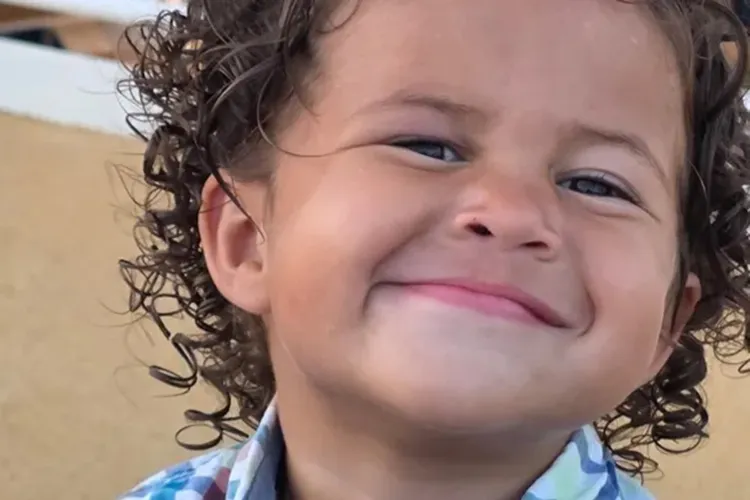
A Normal Playdate Became an Emergency
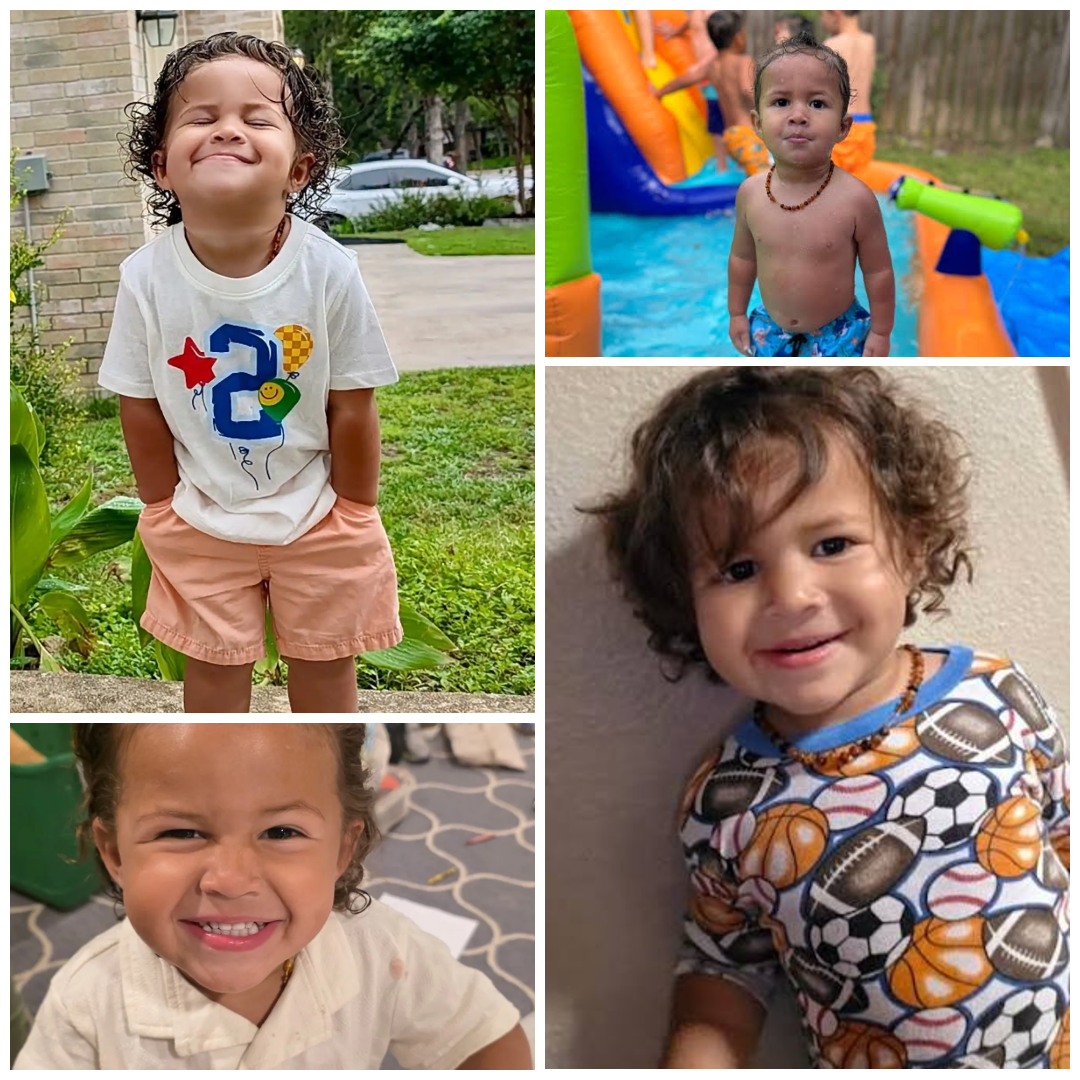
Malachi Israel LeBlanc was born on May 24, 2024.
He lived in the San Antonio area with his parents and three older siblings.
His family remembered him as affectionate, energetic and especially fond of swimming.
He loved singing and dancing. He liked making people laugh. His mother said he frequently told the people around him that he loved them — and that even at 2 years old, he had a way of making others feel special.
Swimming was already familiar to him.
His parents had introduced their children to water early, and trips to the pool were a normal part of family life.
On August 5, however, Malachi was at a community pool without his parents.
He was attending a supervised playdate in the Indian Springs neighborhood on the far North Side of San Antonio.
Around 7:30 that evening, his father was on his way to pick him up when the family learned something had gone terribly wrong.
Malachi had been found in the pool, unresponsive.
What happened in the moments immediately before he was discovered has not been publicly detailed.
First responders rushed to the scene, began lifesaving efforts and transported him to North Central Baptist Hospital.
His condition was critical.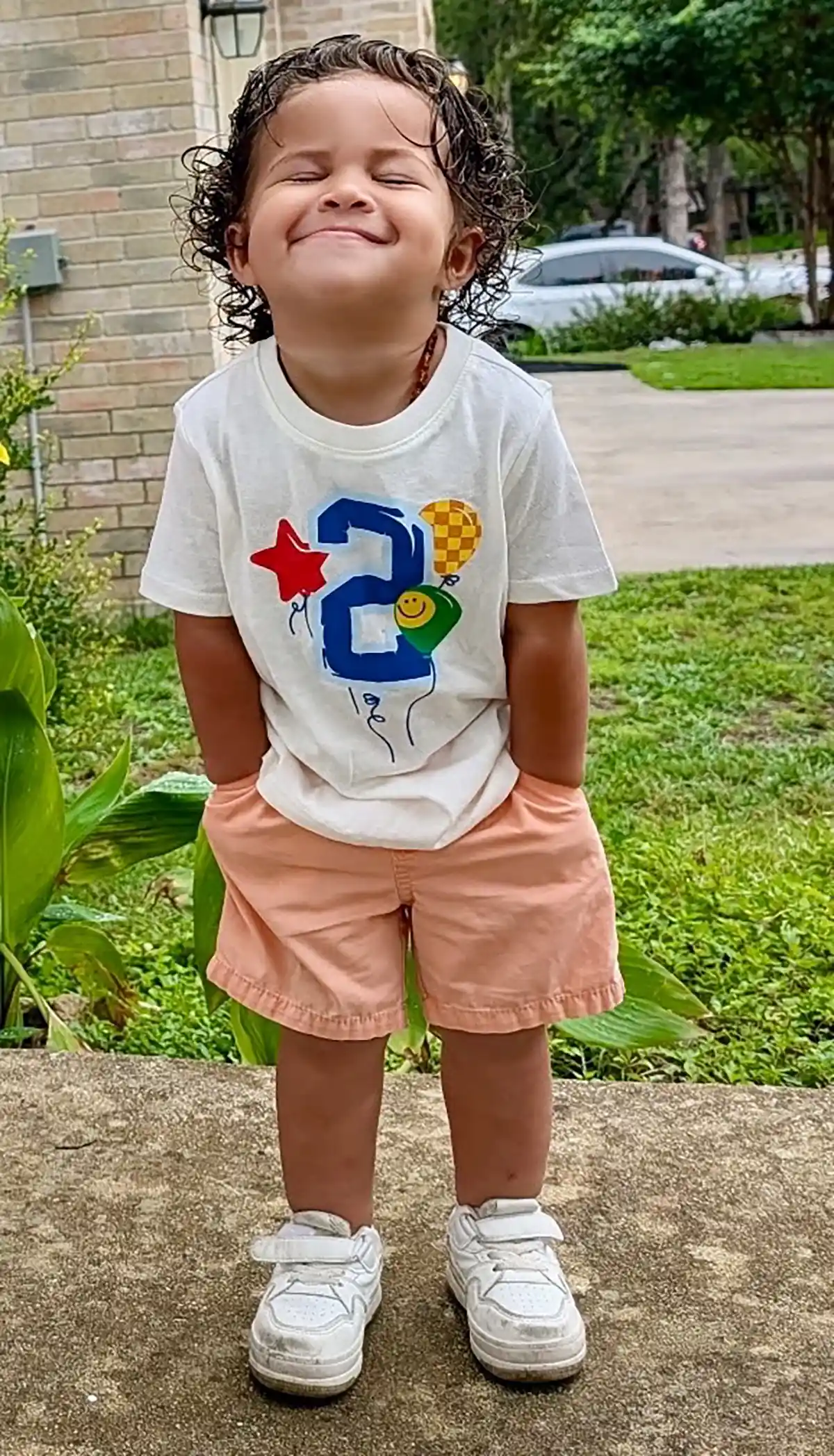
His Parents Kept Believing He Would Wake Up
For Grace, those first hours were filled with disbelief.
She had expected her son to come home from a playdate.
Instead, she found herself beside a hospital bed waiting for doctors to tell her whether he would survive.
The family prayed.
Friends prayed.
Members of their church community prayed.
Grace later described how deeply she believed Malachi might somehow become the exception — the child who survived despite devastating circumstances.
But doctors eventually gave the family the news they had feared.
The damage to Malachi’s brain was irreversible.
He could no longer breathe independently, and testing confirmed brain death.
The Bexar County Medical Examiner later determined that Malachi died from complications of near-drowning and classified the death as accidental.
His official date of death was August 9.
For his parents, however, there was still one major decision left to make.
“This Can Be a Miracle for Other Children”
At first, Grace struggled with the idea of organ donation.
Like many parents faced with sudden loss, she had been focused entirely on saving her own child.
Letting go was already almost impossible.
Thinking about surgery and organ recovery added another layer to that pain.
Then her husband helped her see the decision differently.
If the miracle they were praying for was not going to happen for Malachi, perhaps their son could become the miracle another family was waiting for.
That changed everything.
Grace and Myron agreed to donate his organs.
Doctors were able to recover Malachi’s heart, kidneys and liver.
Those organs went to three children in Texas.
Three families who had been waiting for a phone call about transplantation suddenly received one.
Three children were given another chance at life because a 2-year-old boy could not be saved.
For the LeBlanc family, the donation did not make Malachi’s death easier.
But it gave the loss a purpose they could hold onto.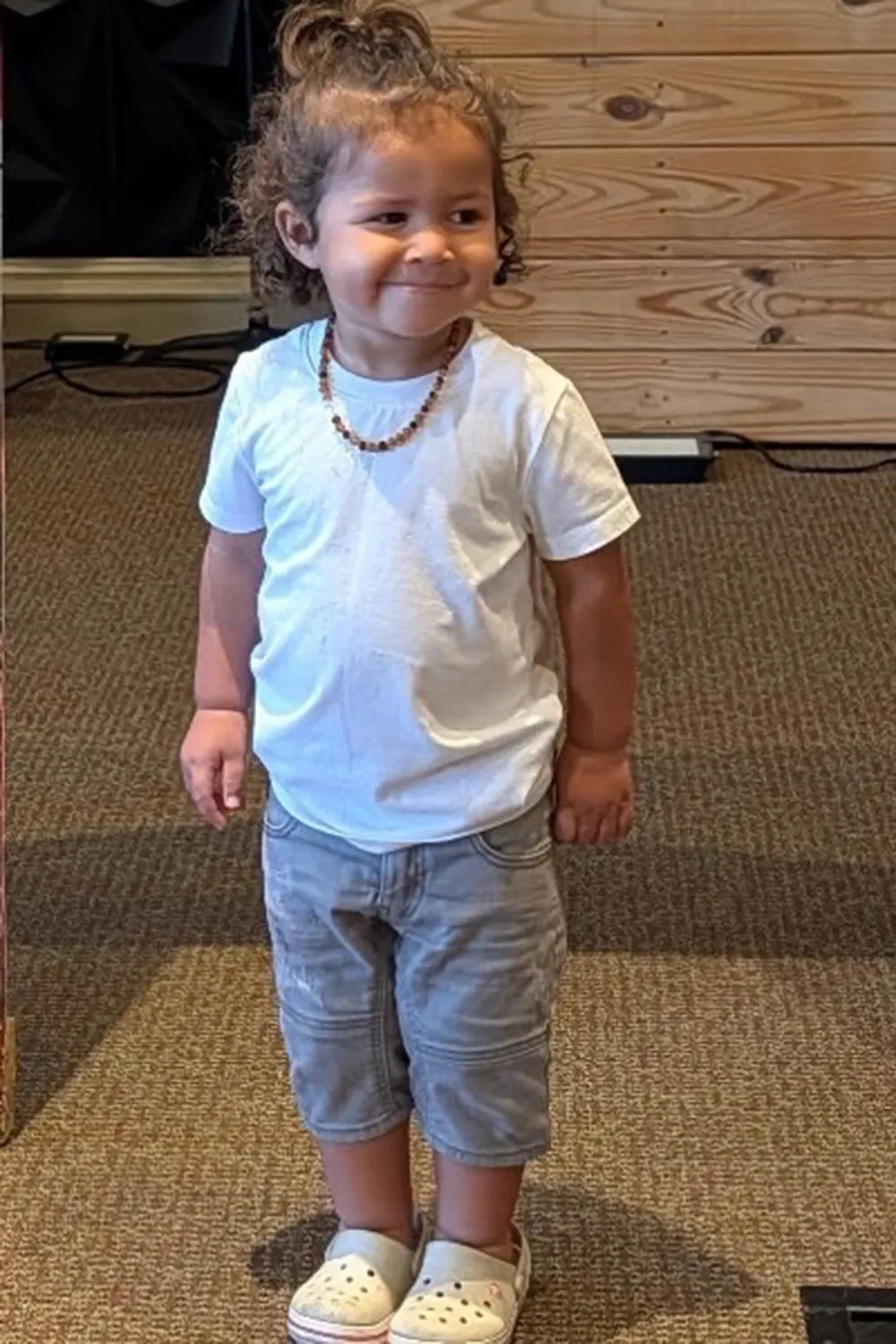
One of the Hospital’s Youngest Donor Heroes
Malachi became only the second pediatric organ donor at North Central Baptist Hospital.
The medical staff created a permanent tribute to him.
His handprint was placed on a ceiling tile above a nurses’ station in the pediatric intensive care unit, beside the handprint of the hospital’s first pediatric donor.
It is an unusually simple memorial.
A tiny hand.
A reminder of how young he was.
And a symbol of how much impact a child so small could leave behind.
For nurses and physicians who cared for Malachi, the handprint is now part of the space where other critically ill children are treated.
For his parents, his legacy extends far beyond that hospital ceiling.
Somewhere else in Texas, children are living with organs that once belonged to their son.
The transplant recipients remain private, as is standard during the early stages after donation.
Eventually, donor and recipient families may have the opportunity to communicate if both sides choose to do so.
For now, Grace knows only that Malachi helped three children.
That is enough to give her something to hold onto.
A Mother Who Does Not Want Someone Punished
The circumstances surrounding Malachi’s death have also led to a legal review.
The Bexar County Sheriff’s Office completed an investigation into the drowning and forwarded its findings to the district attorney’s office for consideration of possible criminal charges.
Authorities have not publicly identified a potential defendant or specified what offense might be considered.
Grace has taken an unusual position.
She does not want the adult who was supervising Malachi to be prosecuted.
She has said repeatedly that she believes her son’s drowning was a tragic accident and that she continues to trust the person who was caring for him.
For Grace, punishment would not change what happened.
Her position does not determine whether prosecutors will ultimately bring charges; that decision belongs to authorities reviewing the evidence.
But it reveals how the family has chosen to understand the tragedy.
They are grieving their child without seeking someone else to blame.
Remembering the Boy, Not Only the Accident
Malachi’s obituary does not center on the swimming pool.
It describes a deeply loved child whose short life affected an enormous number of people.
He left behind his parents, Grace and Myron, and three siblings — Aviela, Ezekiel and Amari.
His family remembered his happiness, his affection and his faith-filled home.
They described his life as brief but meaningful.
A celebration of life was held on August 22 in San Antonio.
Instead of measuring Malachi’s life by its length, the family focused on what happened because he had been here.
People came together.
Faith communities rallied around them.
Three children received lifesaving organ transplants.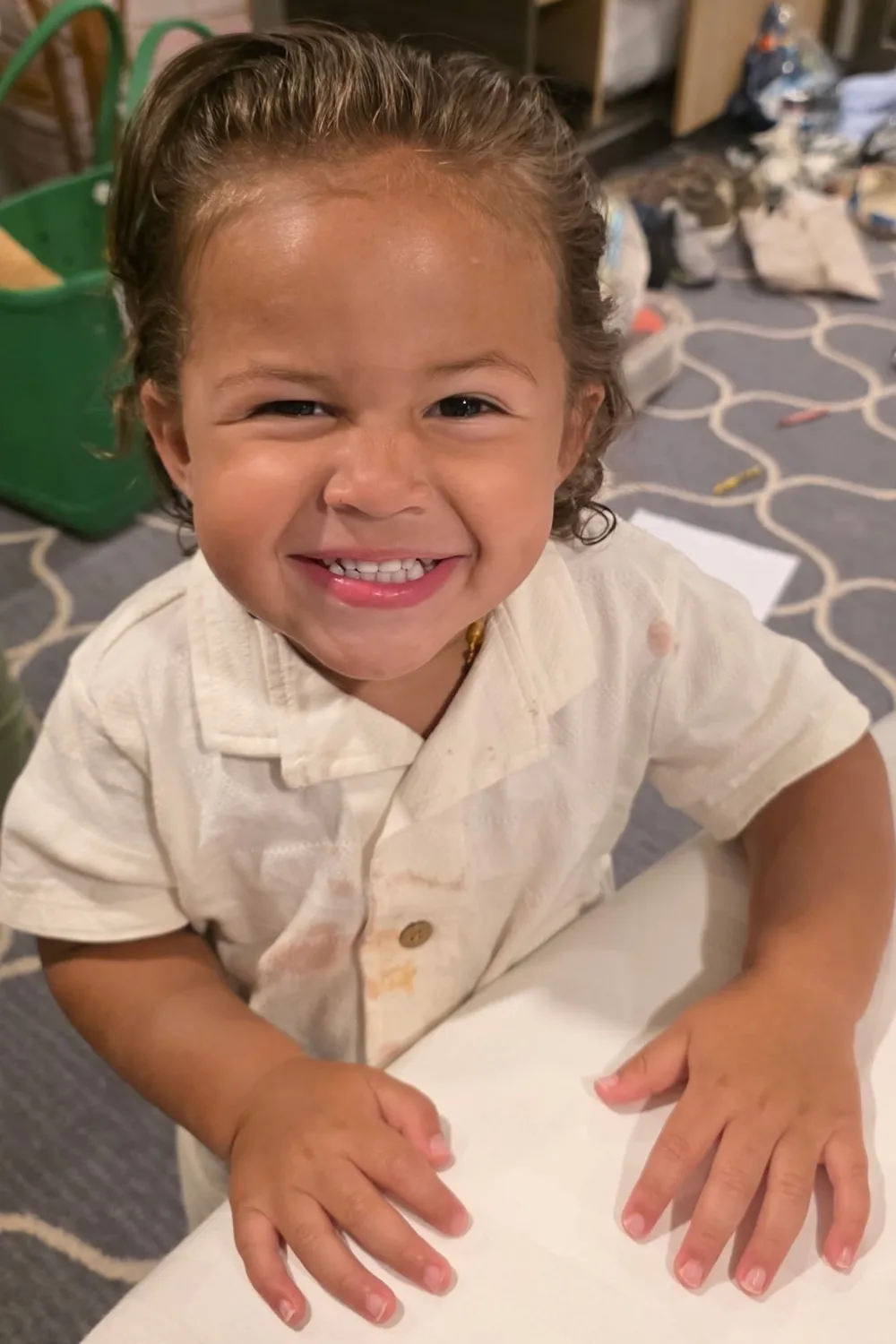
The Miracle Looked Different Than They Prayed For
Grace and Myron wanted one outcome.
They wanted Malachi to open his eyes.
They wanted to bring him home.
They wanted to return to the ordinary life they had before August 5.
That did not happen.
Their little boy died four days after being pulled from the pool.
But the family’s understanding of the word “miracle” changed in the hospital.
The miracle was no longer that Malachi would survive.
It was that part of him could help someone else survive.
Somewhere in Texas, three families now know the other side of that story.
While the LeBlancs were saying goodbye to their 2-year-old, those families were being given hope.
A heart began beating in another child.
Kidneys gave another body a chance to function.
A liver offered another young patient more time.
Malachi LeBlanc could not be saved.
But his parents made sure that his story did not end with the moment his own life stopped.
For three children, part of Malachi is still carrying life forward.