At 11, Gio Just Wanted to Play Baseball. Then a Rare Disease Changed His Life Almost Overnight.
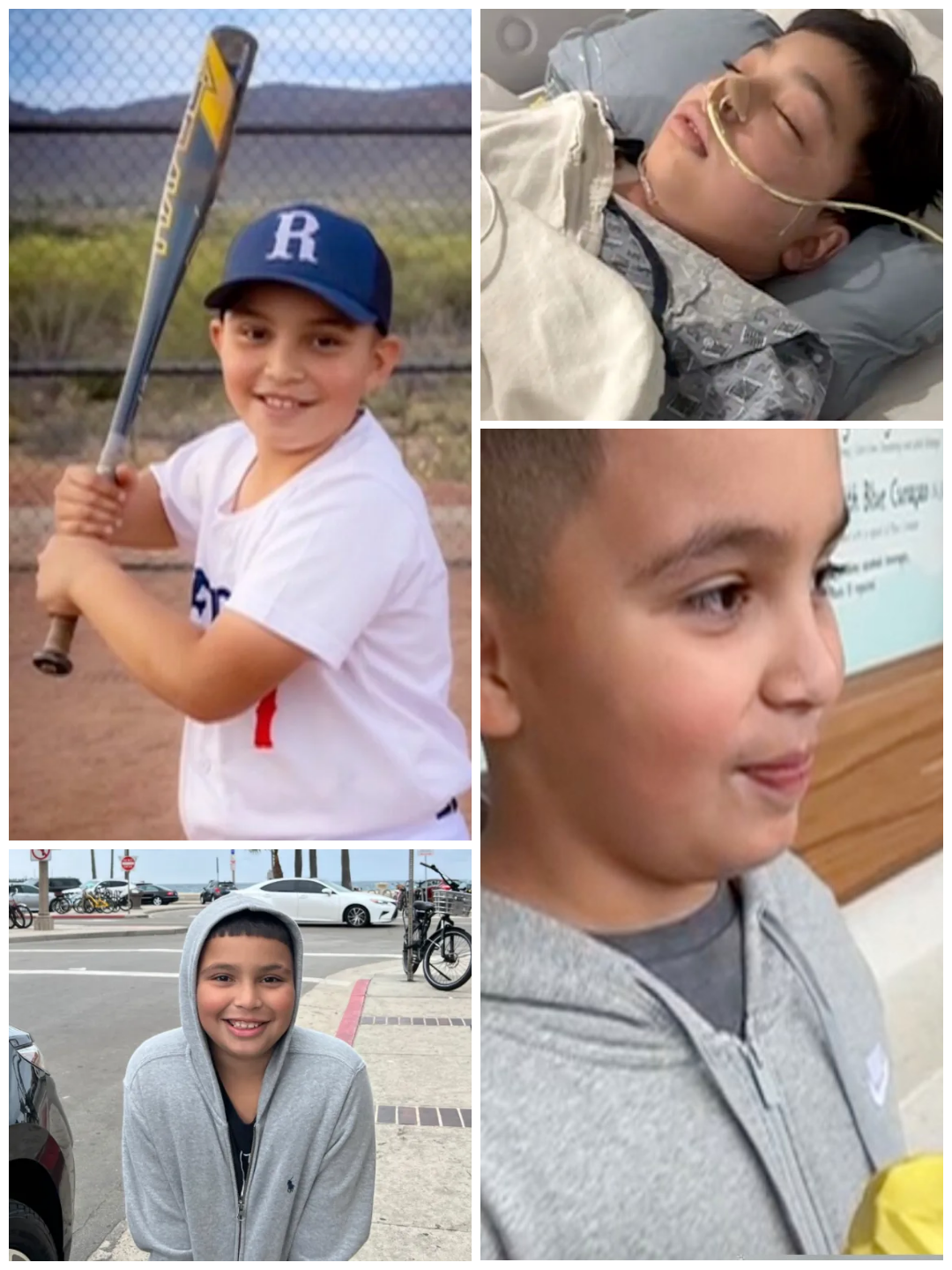
In May, Giovanni “Gio” Cruz was doing what an 11-year-old boy in Arizona was supposed to be doing.
He was smiling.
Dancing.
Playing baseball.
Gio loved the sport enough to play multiple positions — first base, third base and pitcher — and his family knew him as a silly, energetic kid who wanted to be outside with friends and cousins.
He was also looking ahead to another milestone: starting sixth grade and middle school.
Then, within weeks, almost everything changed.
By June, Gio was no longer acting like himself.
He was exhausted.
He wanted to sleep constantly.
He began vomiting repeatedly.
His cheeks sometimes became unusually red.
Then came severe chest pain and back pain — intense enough that his mother, Patricia Cruz, rushed him to Tucson Medical Center.
What followed was a frightening medical mystery that eventually led to an extraordinarily rare diagnosis:
Idiopathic multicentric Castleman disease, or iMCD.
Now, instead of spending his days on a baseball field or in a new middle-school classroom, Gio remains in the hospital undergoing intensive treatment for a disease that can cause widespread inflammation and damage organs throughout the body.
His mother does not know exactly when he will be able to go home.
And doctors still do not know how well his body will respond to treatment.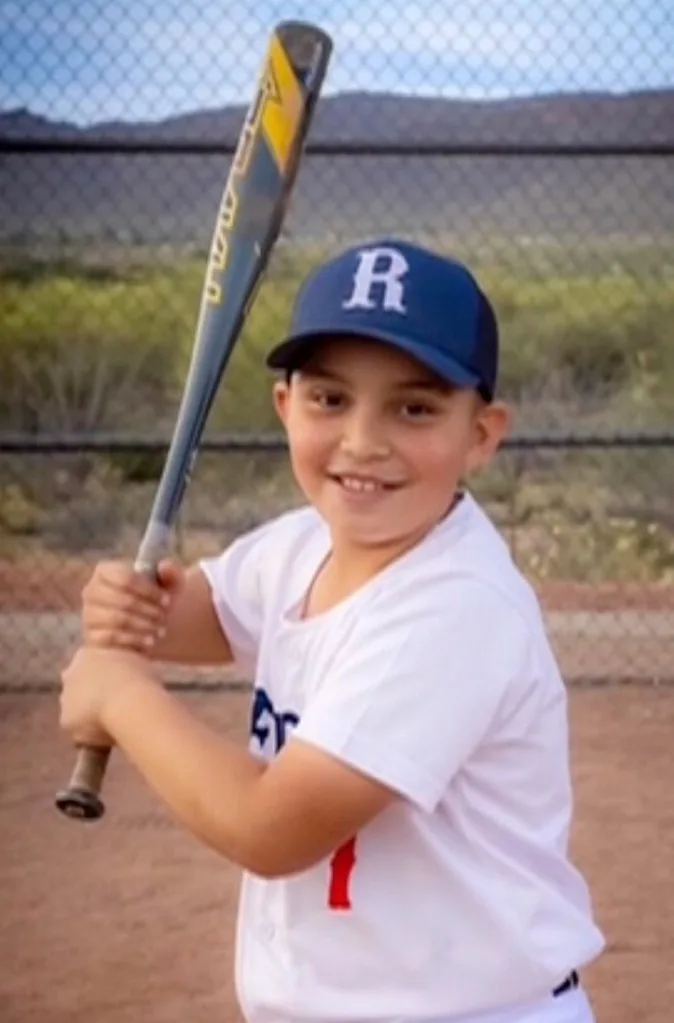
From Baseball to a Hospital Bed
The speed of Gio’s decline is one of the hardest parts for his family to process.
Patricia remembers looking at photographs from May and seeing the child she recognized.
He was active.
He was smiling.
He was dancing at his sister’s birthday celebration.
Only a month later, she was watching him become increasingly sick.
The first major warning came when Gio complained that his chest hurt.
At first, there was no clear explanation.
Then the pain escalated suddenly.
He began screaming and sweating, telling his mother that both his chest and back hurt.
Patricia took him to Tucson Medical Center.
Doctors ran tests and scans.
Gio remained there for about a week.
But the family still did not have an answer.
He was eventually sent home.
The relief did not last.
Instead of improving, Gio became worse.
“All he wanted to do was sleep,” his mother later recalled.
For a child who normally had so much energy, the change was alarming.
Then he began vomiting heavily.
The redness in his face became another visible sign that something was wrong.
Gio returned to the hospital.
This time, he was eventually transferred to Banner Diamond Children’s Medical Center, where specialists continued trying to understand what was happening inside his body.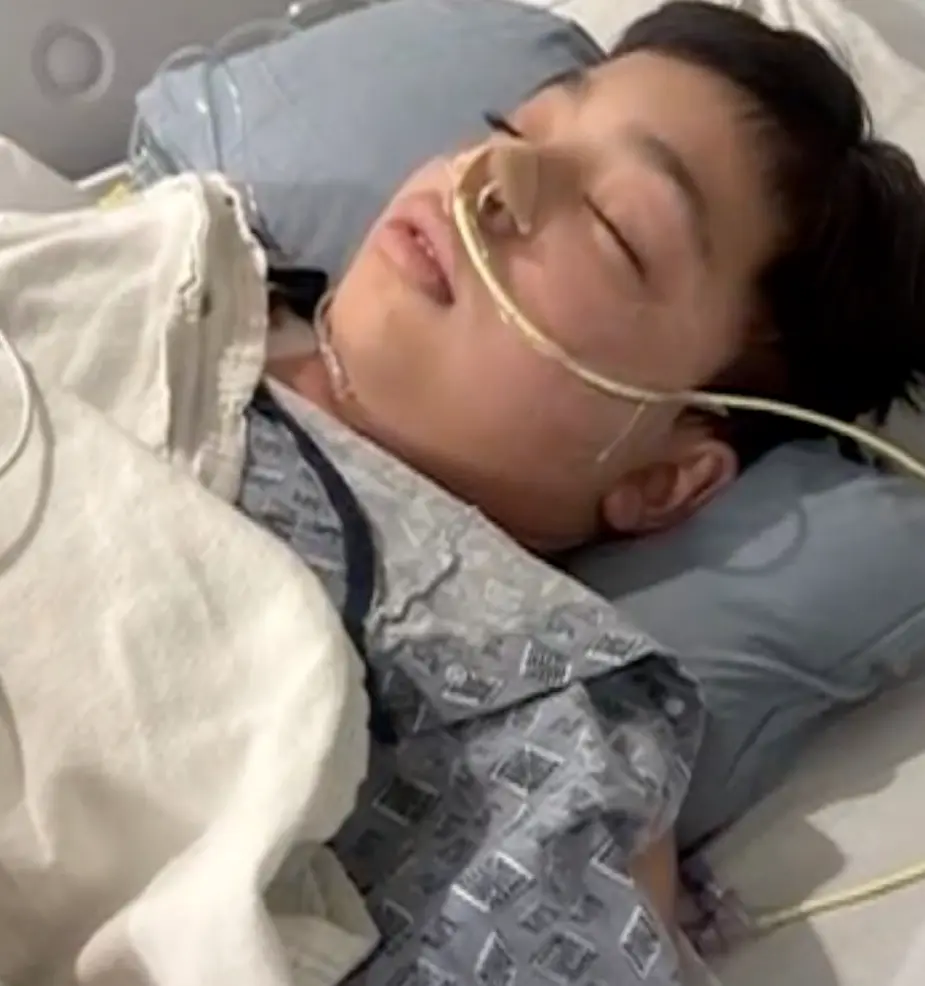
A Diagnosis Few Families Have Ever Heard Of
Doctors ultimately diagnosed Gio with idiopathic multicentric Castleman disease.
Castleman disease is not cancer, though it can sometimes resemble cancer or serious infections because of the way it affects lymph nodes and triggers inflammation.
The condition involves abnormal changes in lymph node tissue.
In unicentric Castleman disease, the problem is generally limited to one region of lymph nodes.
Gio’s disease is different.
His is multicentric.
That means multiple lymph node regions throughout his body are affected.
His mother described it more simply: all of his lymph nodes are involved.
The “idiopathic” part of the diagnosis means the underlying cause is unknown.
For families, that can make the disease especially difficult to understand.
There is no simple explanation for why Gio became sick.
There was no single infection or obvious event his mother could point to and say, “That caused this.”
The disease simply appeared.
And it appeared aggressively.
His Entire Body Has Been Affected
The diagnosis helped explain why Gio seemed so sick in so many different ways.
Idiopathic multicentric Castleman disease can trigger an exaggerated inflammatory response throughout the body.
In Gio’s case, the illness has caused fluid to accumulate around several major areas, including his abdomen, lungs and heart.
That fluid buildup has made breathing difficult enough that he has needed supplemental oxygen.
His kidneys have also been affected.
He has undergone dialysis as doctors try to support his body through treatment.
Persistent fevers have added another burden.
To reach the diagnosis and monitor his condition, Gio has already endured an exhausting list of procedures.
He has undergone multiple biopsies, including removal of lymph nodes for examination.
There have been MRIs.
CT scans.
Echocardiograms.
Ultrasounds.
X-rays.
Countless blood tests.
For an 11-year-old who was playing baseball only weeks earlier, hospital life became his new routine almost overnight.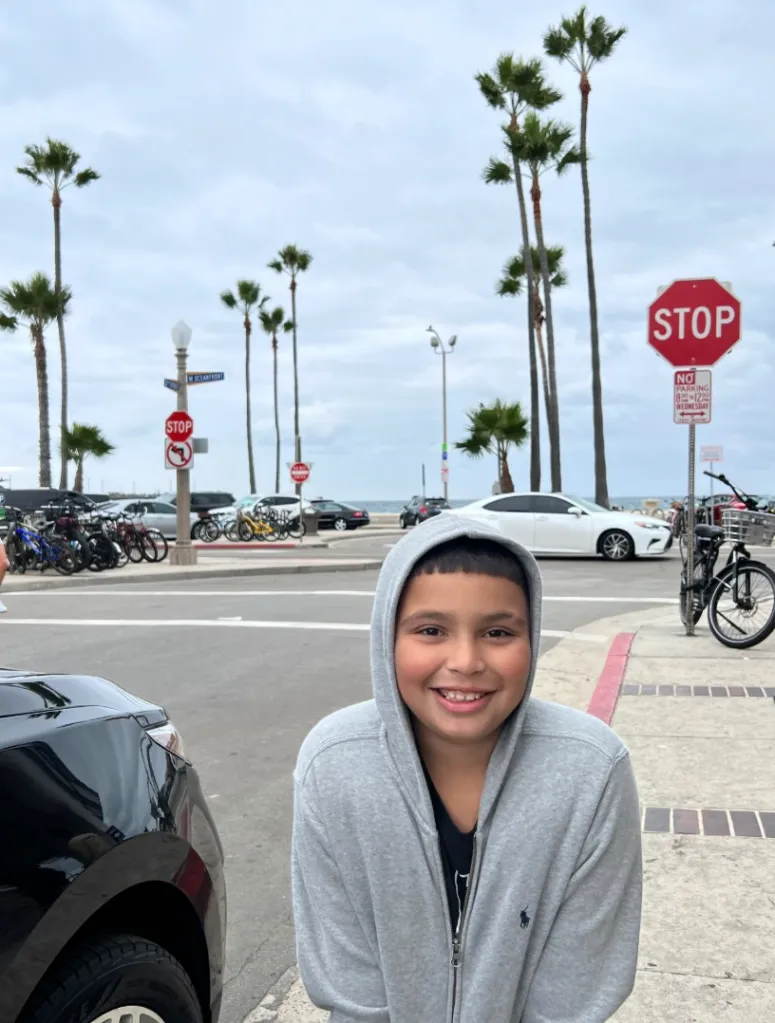
Doctors Are Targeting the Inflammation
Gio’s treatment currently includes high-dose intravenous steroids and therapy directed against interleukin-6, usually called IL-6.
IL-6 is a signaling protein involved in inflammation.
In iMCD, excessive inflammatory signaling — often involving IL-6 — is believed to play an important role in driving symptoms.
By targeting that pathway, doctors hope to reduce the inflammatory process damaging Gio’s body.
The medical team expects the current phase of treatment and close monitoring to last roughly six to eight weeks.
But there is no guarantee of how quickly Gio will respond.
That uncertainty is one of the most difficult parts for Patricia.
She can tell her son that doctors are treating him.
She can stay beside his bed.
She can answer some of his questions.
But there are questions she cannot answer.
When can he leave the hospital?
When can he return to school?
When can he play baseball again?
Will the medication work?
Patricia does not know.
Neither do his doctors yet.
If Gio fails to respond adequately to his current treatment, chemotherapy may become another option.
His Mother Has Barely Left His Side
Since Gio became seriously ill, Patricia has remained close to him.
That decision comes with consequences outside the hospital.
Every day spent beside her son is a day she may be unable to work.
Medical expenses continue.
Household bills continue.
The rest of family life continues.
A fundraiser was created to help ease some of that pressure while Patricia focuses on Gio.
The message behind it is simple: his mother should not have to choose between sitting beside her sick child and keeping the family financially afloat.
The fundraiser also describes the version of Gio his family wants people to remember while he is hospitalized.
Fun-loving.
Silly.
Energetic.
A baseball kid.
Someone who should have been spending the summer laughing with friends instead of undergoing biopsies and dialysis.
Sixth Grade Was Supposed to Be the Big Change
Before Gio became sick, his family had expected sixth grade to be the major transition of his year.
Middle school was ahead.
New teachers.
New classes.
New friends.
Maybe new baseball seasons.
Instead, the biggest change came from a diagnosis most people have never heard of.
Gio’s world suddenly became smaller.
Hospital rooms.
Medical equipment.
Doctors.
Blood tests.
Medication.
His future began being measured not in school semesters or sports schedules but in treatment cycles and medical responses.
That is what makes his story especially difficult.
There was no long period in which his family could prepare for the idea of a chronically ill child.
In May, he was dancing.
By June, his mother knew something was seriously wrong.
Soon after, he was hospitalized with a rare systemic disease.
The Future Is Still Unwritten
Unlike many childhood illness stories, Gio’s does not yet have an ending.
There is no final scan to celebrate.
There is no discharge date circled on a calendar.
There is also no reason to assume the worst.
His doctors are treating him.
His family is beside him.
There are therapies available, and physicians are watching closely to see how his body responds.
But uncertainty remains part of nearly every conversation.
For Patricia, that may be the hardest thing of all.
Parents naturally want to tell their children what happens next.
Gio wants answers.
His family wants answers.
For now, medicine can only offer a plan and careful observation.
An 11-year-old who once measured a good day by how well he played baseball now measures progress differently.
Can he breathe more easily?
Are the fevers improving?
Are his kidneys recovering?
Is the inflammation responding?
Those are enormous questions for a child.
Only a few months ago, Gio was thinking about baseball and middle school.
Now he is fighting a disease rare enough that many people will hear its name for the first time because of him.
His family is hoping that this chapter will eventually become something Gio can look back on rather than something that continues to define his childhood.
For now, the boy who loves first base, third base and the pitcher’s mound is still in the hospital.
And everyone who loves him is waiting for the day when his biggest concern can once again be getting back on the field.