🚨 LINDSAY CLANCY HOLDOUT JUROR BREAKS HIS SILENCE: “I DIDN’T HAVE ANY DOUBTS”
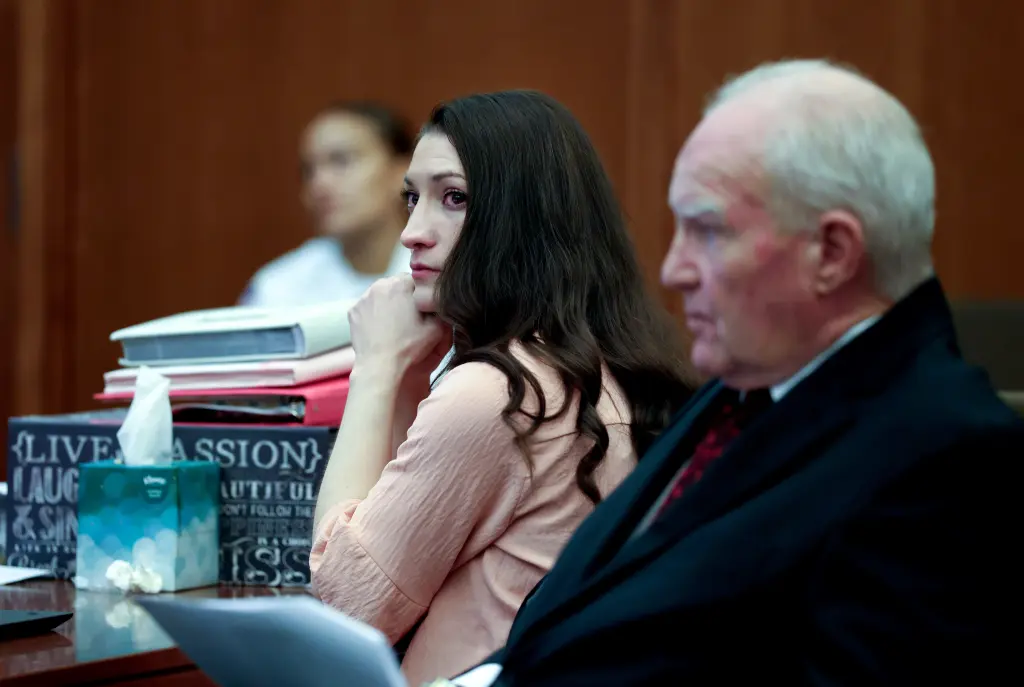
🚨 LINDSAY CLANCY HOLDOUT JUROR BREAKS HIS SILENCE: “I DIDN’T HAVE ANY DOUBTS”
For weeks, one unanswered question has dominated the aftermath of the Lindsay Clancy mistrial:
Why did one juror refuse to join the other 11?
Now, the man at the center of that question has finally spoken.
Michael P. Desronvil, the lone holdout juror in the Lindsay Clancy murder trial, has publicly identified himself and released his first detailed statement since the jury became deadlocked.
And his explanation directly challenges the version of events described by several of his fellow jurors.
“I didn’t have any doubts,” Desronvil said in a statement released through his representative and reported by multiple news organizations.
He said that while attempting to explain different theories during deliberations, he felt he was repeatedly interrupted “as if I had doubts based on the evidence present.”
Then he made his position unmistakably clear.
According to Desronvil, the physical evidence, key witnesses and prosecution’s presentation convinced him that Lindsay Clancy knew what she was doing and had planned the killings.
That statement changes the picture of the final days inside the jury room.
THE JUROR WHO WOULD NOT MOVE
The trial ended in a mistrial after the 12-member jury failed to reach the unanimous decision required.
Several jurors who spoke publicly afterward described a prolonged effort to persuade the lone holdout.
Juror Paula Devlin said jurors spent days trying to work through the disagreement. Other jurors described Desronvil as the person whose position prevented the panel from reaching a verdict.
The reported final split was 11–1.
But Desronvil now disputes the suggestion that he was uncertain about the prosecution’s case.
His statement says the opposite.
He says he never wavered.
That distinction is important because much of the public discussion following the mistrial focused on whether the holdout juror had expressed reasonable doubt during deliberations.
Desronvil says that interpretation was wrong.
“I DIDN’T HAVE ANY DOUBTS”
Desronvil’s statement was brief, but its message was direct.
He said he believed the evidence was sufficient to conclude that Clancy understood what she was doing and had planned the killings.
That was fundamentally different from the conclusion reached by the other jurors.
The majority ultimately favored finding Clancy not criminally responsible, according to jurors who later spoke publicly.
But because the jury could not reach unanimity, there was no verdict.
Instead, Judge William Sullivan declared a mistrial.
The difference between those two outcomes is enormous.
An 11–1 jury split is not a legal verdict.
And Desronvil’s explanation is not a judicial finding that Clancy was criminally responsible.
It is his account of how he evaluated the evidence as a juror.
WHY HIS VERSION MATTERS
The juror’s comments arrive after several other jurors publicly discussed what happened during deliberations.
Those accounts created a picture of a jury that had moved toward a consensus but remained blocked by one member.
Desronvil is now offering a different perspective.
Rather than saying he was confused or uncertain, he says he believed the evidence was strong enough to support his position from the beginning.
That creates a striking conflict between the public accounts of the jurors.
One side describes a juror who would not move despite extensive discussion.
Desronvil describes himself as someone who had reached a firm conclusion from the evidence and believed his arguments were not fully heard.
Neither account changes the fact that the jury failed to reach a unanimous verdict.
But together, they reveal how difficult the deliberations apparently became.
THE CASE THAT LEFT A JURY DIVIDED
The underlying case remains one of the most closely watched criminal proceedings in Massachusetts.
Clancy was charged in connection with the January 2023 deaths of her three children — 5-year-old Cora, 3-year-old Dawson and 8-month-old Callan.
Clancy admitted causing their deaths but argued that she was not criminally responsible because of severe postpartum psychiatric illness.
The prosecution presented evidence intended to establish that she understood her actions and had planned them.
The defense argued that her mental state prevented her from being criminally responsible.
After weeks of testimony, the jury was left to decide the central legal question.
And ultimately, the jurors could not agree.
THE BACKLASH AFTER THE MISTRIAL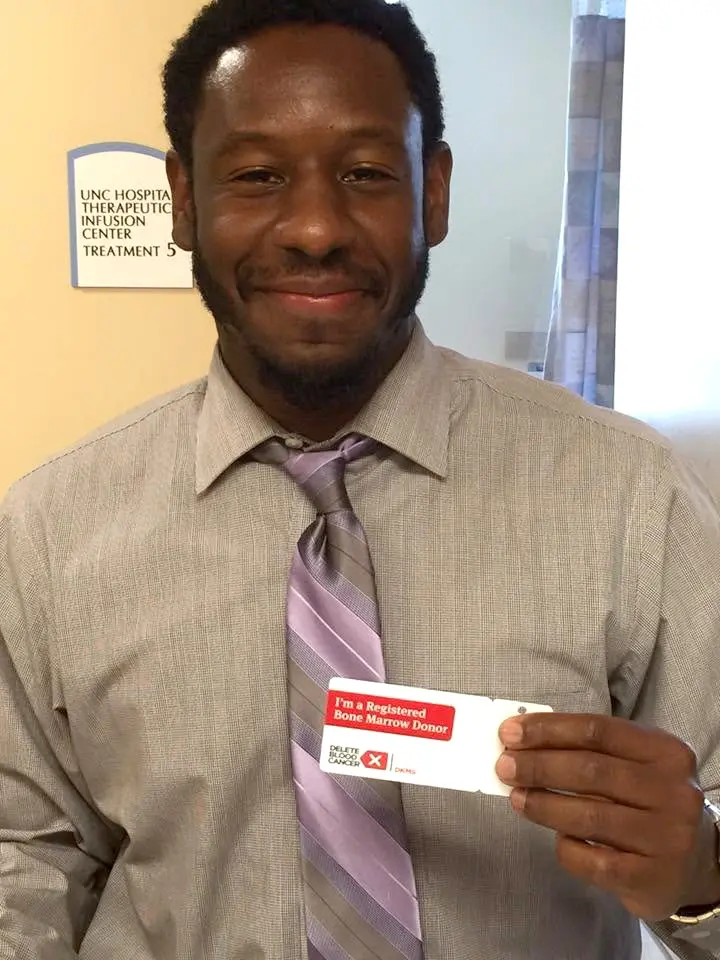
The consequences of the deadlock did not remain inside the courthouse.
Desronvil became the focus of intense online criticism after other jurors described him as the lone holdout.
His identity eventually became public, and the attention escalated.
His attorney, Edward Paltzik, announced that he was representing Desronvil and said his client had moved to an undisclosed location in Northern New England because of the intense media and public attention.
Paltzik also warned about unauthorized fundraising campaigns using Desronvil’s name.
According to USA Today Network, more than $286,000 had reportedly been raised through one GiveSendGo campaign, although Paltzik said the campaign had not been authorized by Desronvil or his family.
The situation illustrates how a criminal trial can continue generating consequences even after the courtroom proceedings stop.
The jury may have been dismissed.
But the public debate clearly was not.
HIS ATTORNEY HAS ALSO ENTERED THE STORY
Paltzik has been outspoken in defending his client.
He described Desronvil in strongly favorable terms and said people who attacked him could face legal consequences.
Those descriptions are the attorney’s characterization of his client, not a finding by the court.
Desronvil himself has largely stayed out of public view.
His first statement therefore carries particular significance because it provides his own explanation rather than simply relying on descriptions from other jurors, commentators or social-media users.
BUT ONE IMPORTANT THING HAS NOT CHANGED
Despite the new statement, the legal situation remains exactly what it was after the mistrial.
There was no unanimous verdict.
Desronvil’s personal conclusion does not become the verdict.
The other jurors’ conclusions do not become the verdict either.
And the public debate over which juror’s interpretation was more persuasive does not replace the legal process.
That is why the next stage of the case may be more important than the arguments now happening online.
Clancy’s defense has been pursuing a double-jeopardy argument, while prosecutors have not publicly committed to a retrial.
A hearing is scheduled for September 29.
That proceeding could determine an important part of what happens next.
THE BIGGER QUESTION
The most fascinating development is not simply that Desronvil finally spoke.
It is that his explanation exposes how differently the same courtroom evidence can be interpreted by people who sat through the same trial.
Eleven jurors ultimately reached one conclusion.
One juror reached another.
More than 40 hours of deliberations did not bridge that divide.
And now, after weeks of public criticism, the lone holdout is saying:
He was never uncertain.
He believed the physical evidence mattered.
He believed the witnesses mattered.
And he believed the prosecution had presented enough evidence to show that Clancy knew what she was doing and had planned the killings.
Whether that reasoning would persuade another jury is not something that can be determined from his statement alone.
That question belongs to the next stage of the legal process.
For now, one thing is clear:
The juror who stood alone is no longer silent.
And his version of what happened inside that jury room is sharply different from the story the public had been hearing from the other side.