The Guard Who Led 9/11 Survivors to Safety Now Needs the Help of Those He Saved
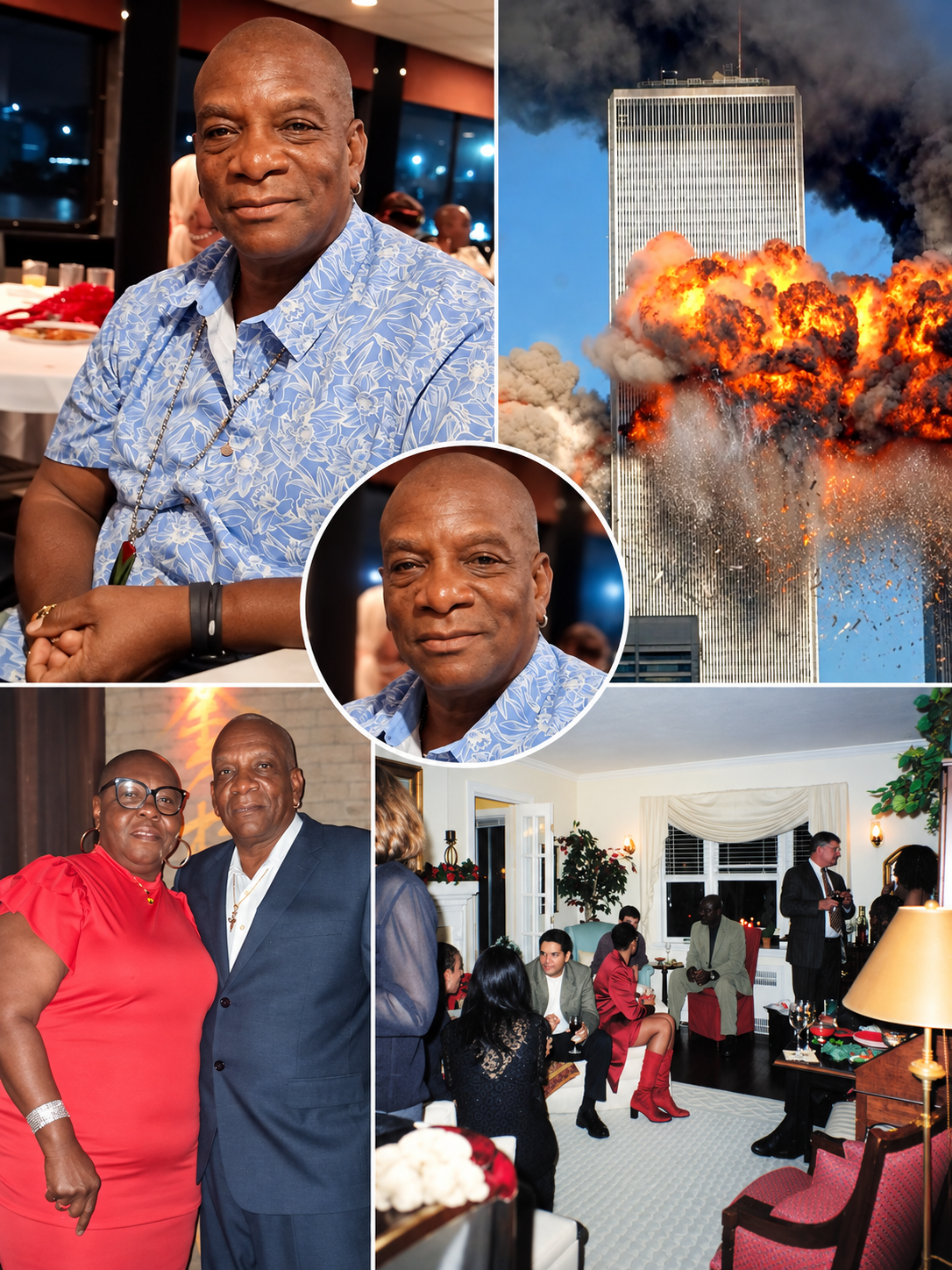
Nearly 25 years after a security guard guided frightened workers through smoke and destruction inside the World Trade Center, one of the men who escaped that day is hoping the public can help save the life of the man he credits with saving his.
Dereck Lovell was working as a security guard inside the South Tower on Sept. 11, 2001. He had never worked on Doug Brown’s floor before. In fact, he was only filling in there that morning.
That coincidence would become life-changing.
Brown and several Morgan Stanley colleagues were trapped on the 70th floor after a hijacked passenger jet struck the tower above them. With smoke spreading through the offices, parts of the ceiling coming down and the route they expected to use blocked, the group struggled to understand how they could escape.
Then, through the darkness, they saw a flashlight.
Lovell was on the other end of it.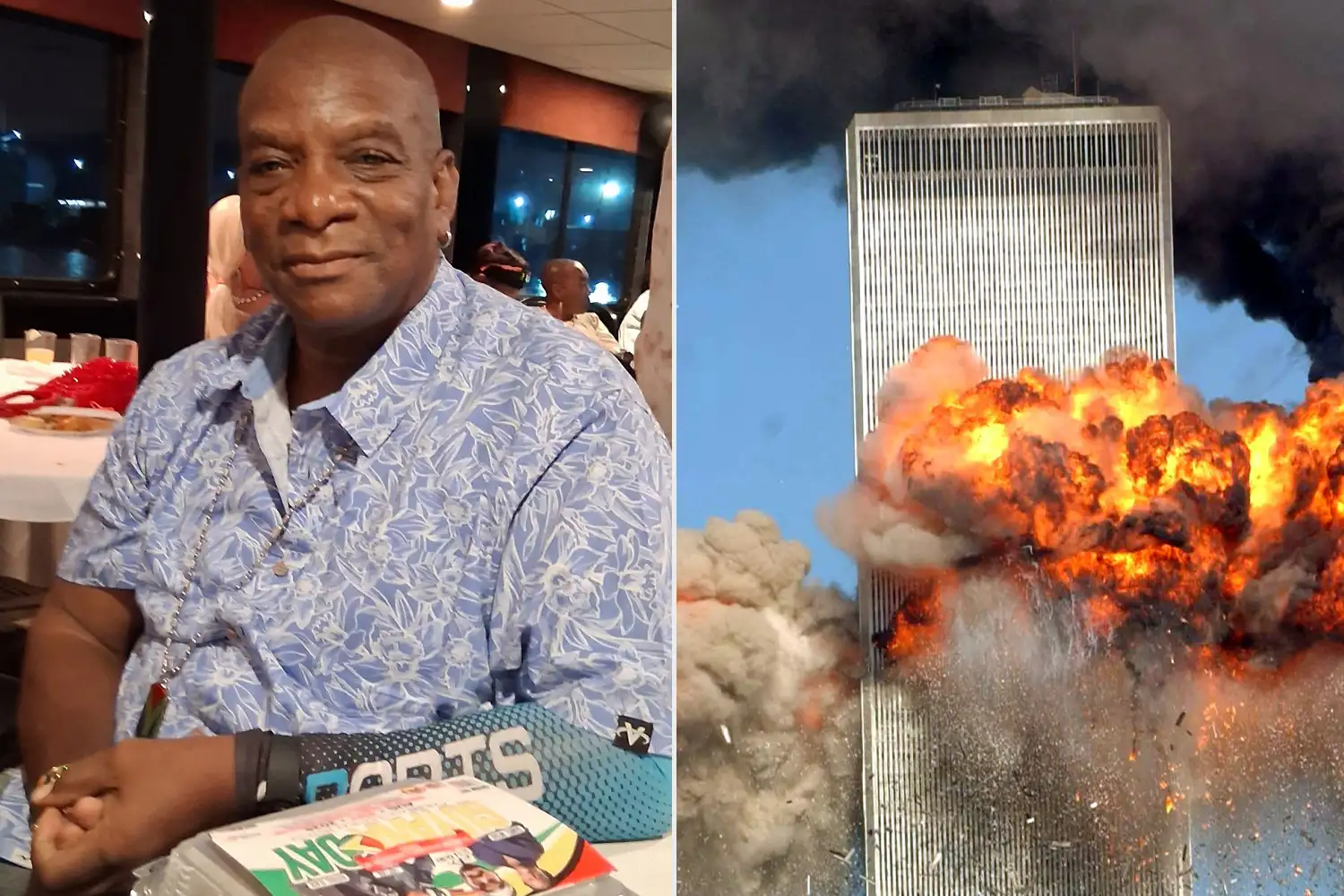
A Normal Morning Turned Into Chaos
Brown, who worked as an associate national sales director, was at his desk when the South Tower was hit.
The North Tower had already been struck by another hijacked aircraft, but the second impact brought the disaster directly into Brown’s workplace.
The explosion was powerful enough to throw him from his chair.
As Brown and five colleagues tried to leave, conditions rapidly deteriorated. Smoke limited visibility to only a short distance. Fire was visible in parts of the building, and damage around them made familiar escape routes difficult or impossible to use.
Brown later remembered being terrified as the group searched for a way out.
Lovell had been caught in the blast as well.
The force of the impact lifted him from his chair and threw him toward the elevator area. His shoulder was hurt, but he remained mobile.
Instead of immediately concentrating on his own escape, Lovell began helping other people.
Carrying a flashlight and a bullhorn, he directed workers toward a staircase that was still usable. He then searched through office areas to make sure others had not been left behind.
That was when he encountered Brown and his colleagues.
The Staircase They Had Never Seen
Brown’s group was disoriented and unsure where to turn.
Lovell told them to come with him.
The escape route was surprisingly close — roughly 15 feet away. But Brown had never realized the staircase was there. He had believed the doorway led to something like a utility or broom closet.
In the dense smoke and confusion, that misunderstanding could have had devastating consequences.
Lovell led the group to the staircase, giving them the route they needed to begin the long descent from the tower.
Brown has said that without Lovell, the group might eventually have stumbled upon the stairs by chance. But amid darkness, smoke and structural destruction, there was no guarantee.
Lovell did not stop after helping Brown.
He located three more workers and directed them toward safety before finally beginning his own way out.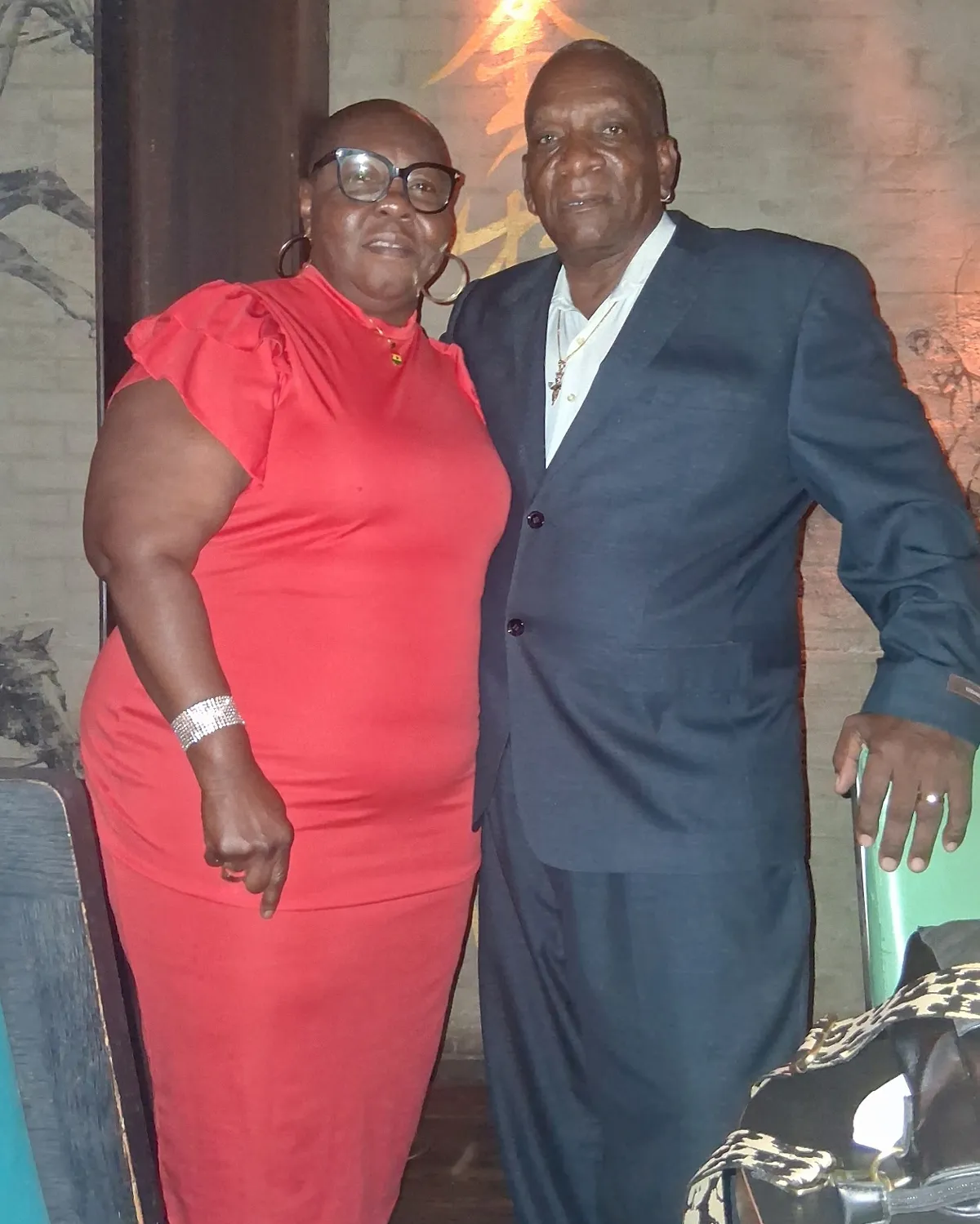
One Rescue Led to Another
Brown’s escape soon became another story of survival.
While descending, he and a colleague encountered Silvion Ramsundar, an investment executive who had been badly injured on the 78th floor.
Ramsundar was bleeding heavily and needed help.
Brown and his colleague improvised a compress using a handkerchief and assisted him down approximately 60 floors. They eventually got him into an ambulance shortly before the South Tower collapsed.
Doctors later found that Ramsundar had suffered severe injuries, including a collapsed lung and broken collarbone. A piece of metal approximately the size of a playing card had become lodged close to his aorta.
He survived.
For Brown, the chain of events has remained deeply meaningful: Lovell first helped him find a path out, and that escape allowed Brown to help another wounded man survive.
Survivors Searched for the Man Who Helped Them
In the days after the attacks, Brown and his colleagues wanted to find the security guard who had appeared in the smoke and shown them the way out.
They eventually tracked Lovell down.
He was invited to Morgan Stanley’s temporary offices in Jersey City, New Jersey, where the employees were finally able to meet him again under very different circumstances.
This time there was no smoke, panic or collapsing building.
There were hugs and expressions of gratitude.
Brown and Lovell remained in contact over the years that followed, maintaining a connection formed during one of the darkest days in American history.
Now, nearly a quarter-century later, their roles have changed.
Lovell is the one who needs help.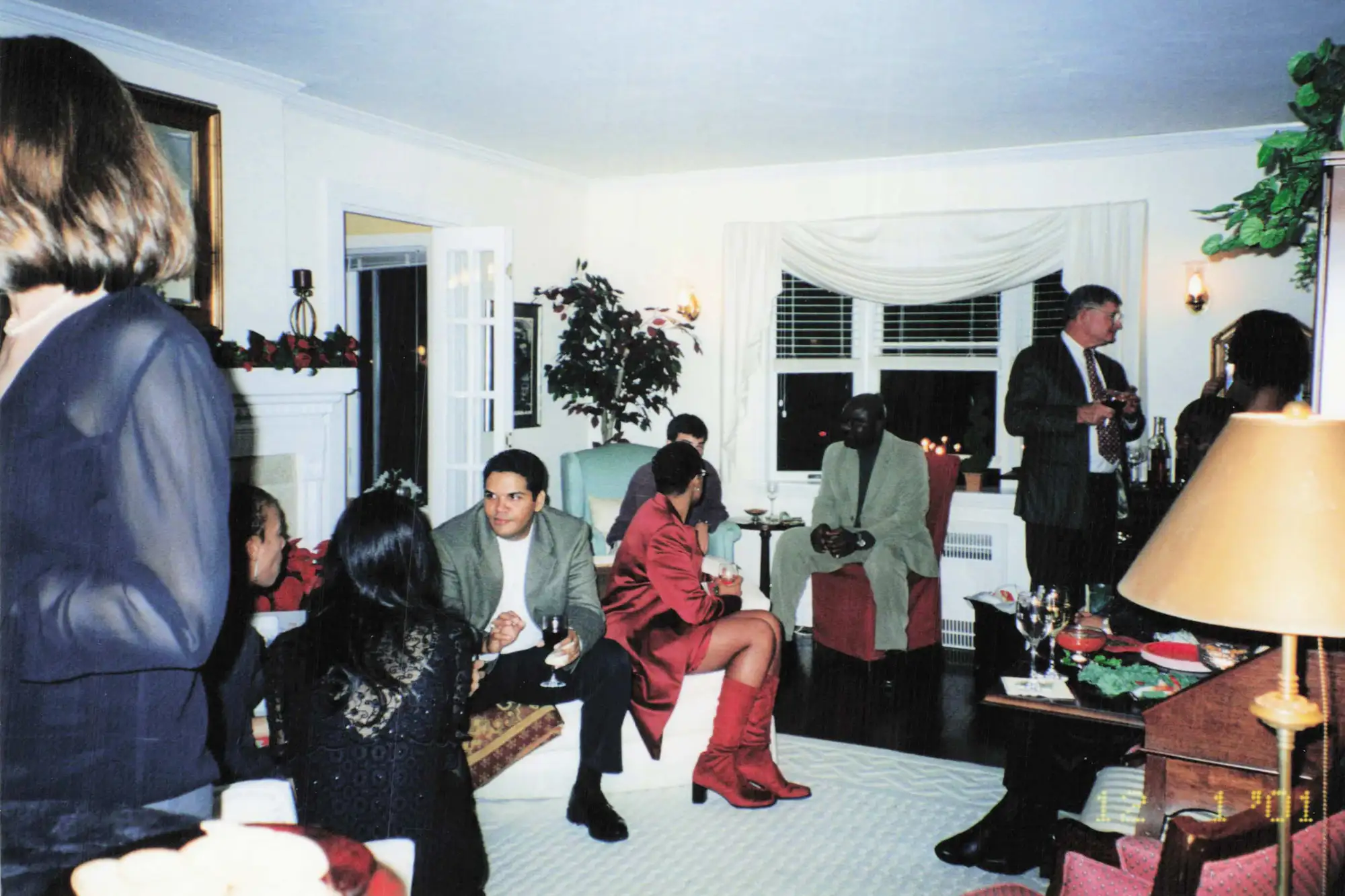
A New Battle Decades After 9/11
Lovell, now 68, was diagnosed with kidney cancer in September 2025 after previously dealing with prostate cancer that was believed to be connected to toxins associated with the Sept. 11 attacks.
In 2026, both of his kidneys were removed.
He now requires dialysis three days every week while waiting for a kidney transplant.
Lovell is listed through SUNY Downstate and NYU Langone, but the wait for a donor kidney can last years. Finding a donor through another route could potentially change that timeline.
Brown, now 79 and retired in Washington, D.C., hopes that sharing the story of what Lovell did in 2001 will help more people learn about his medical situation.
For Brown, the effort is about far more than repaying an old favor.
He believes the life he has lived since Sept. 11 — the years with his family, the ordinary mornings and evenings, the birthdays and milestones — became possible because a security guard carrying a flashlight happened to be working on the 70th floor that day.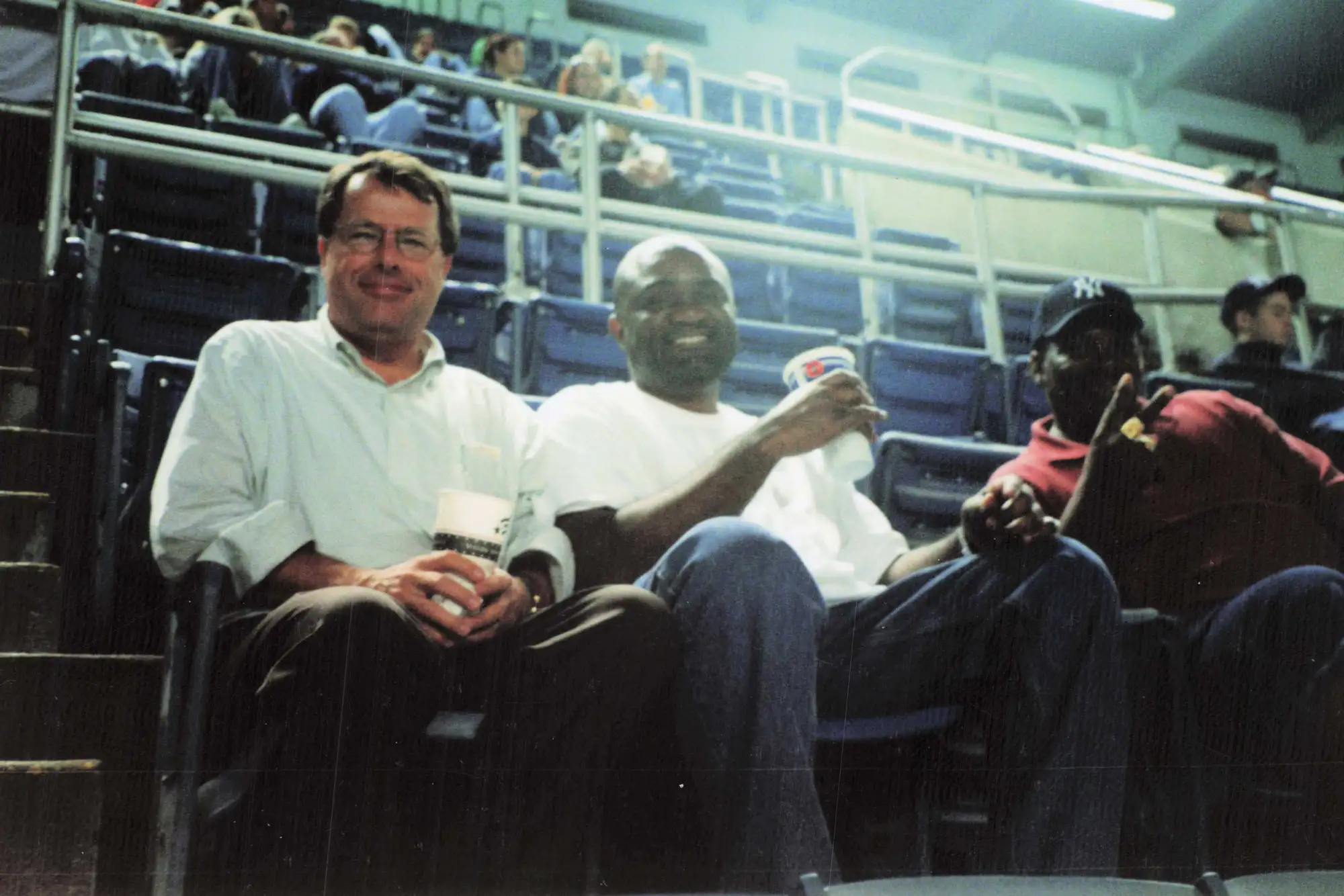
Lovell Still Does Not Call Himself a Hero
Despite Brown’s gratitude, Lovell has never framed his actions in grand terms.
He has said he simply did what his job required.
That modest view stands in sharp contrast to Brown’s memory of those terrifying minutes.
Brown remembers a damaged floor, thick smoke, failed escape routes and the uncertainty of whether he and his colleagues would ever make it outside.
Then a beam of light appeared.
Behind it was a man who knew where to go.
Lovell helped Brown and others reach the staircase before continuing through the offices to look for more people.
Twenty-five years later, Brown still sees him as the person who gave them a way out when they could not find one themselves.
Now the survivor hopes the story can travel in the opposite direction — from the people Lovell helped toward the man who once helped them.
For decades, Brown has carried the knowledge that a stranger’s decision to keep searching through a damaged skyscraper changed the course of his life.
Today, as Lovell waits for a kidney, Brown is hoping someone else may have the chance to change his.