Baby Adonis Finally Goes Home After Spending Nearly His Entire First Year in the NICU
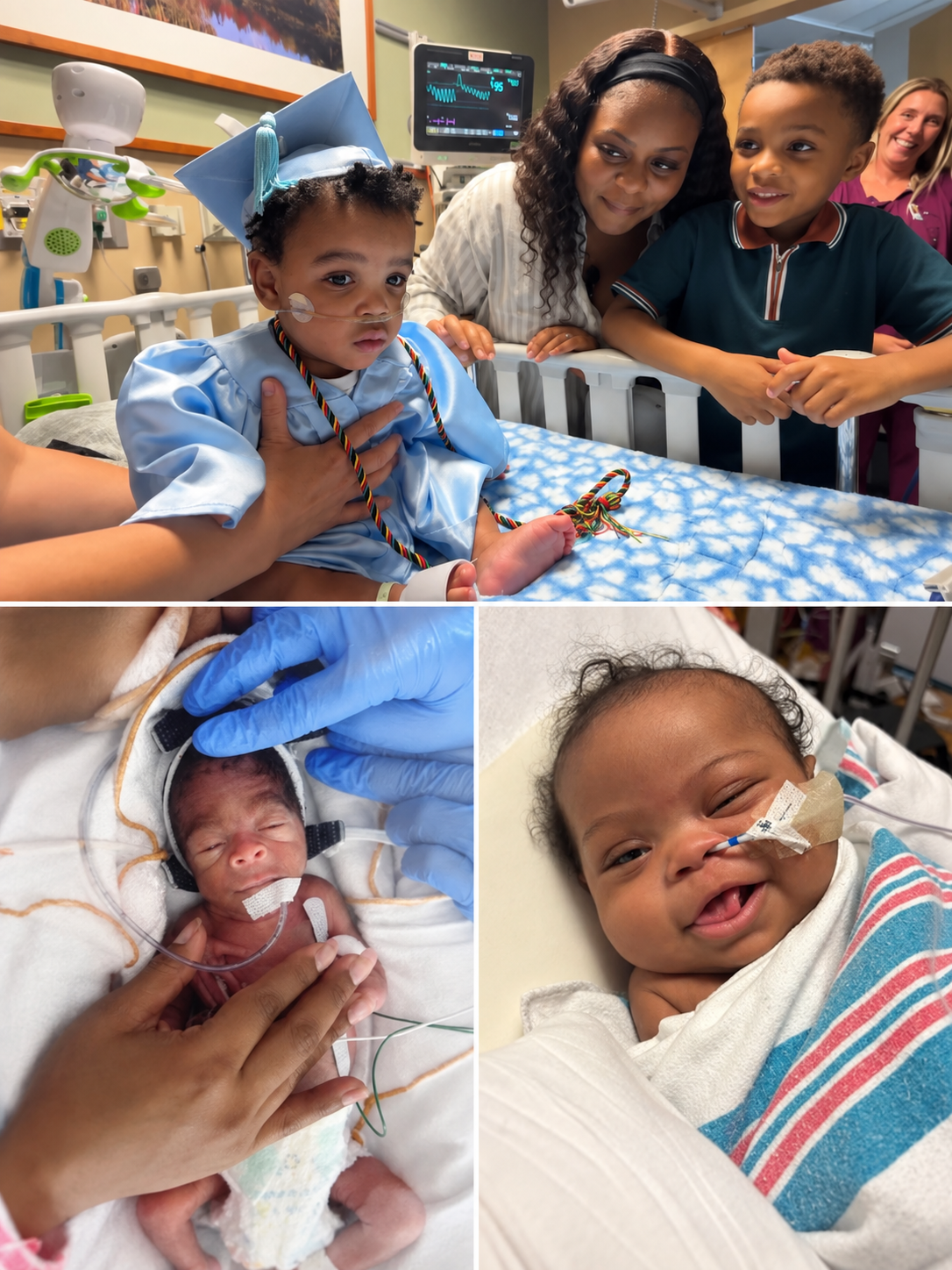
For most families, bringing a newborn home happens within days of birth. For Jasmin Wellington and Junior Rancy-Quaye, that moment took almost an entire year to arrive.
Their son, Adonis, was born extremely premature at just 24 weeks in October, weighing less than two pounds. Instead of beginning life at home with his parents, he entered the neonatal intensive care unit at North Memorial Health in Maple Grove, Minnesota.
He would remain there for 334 days.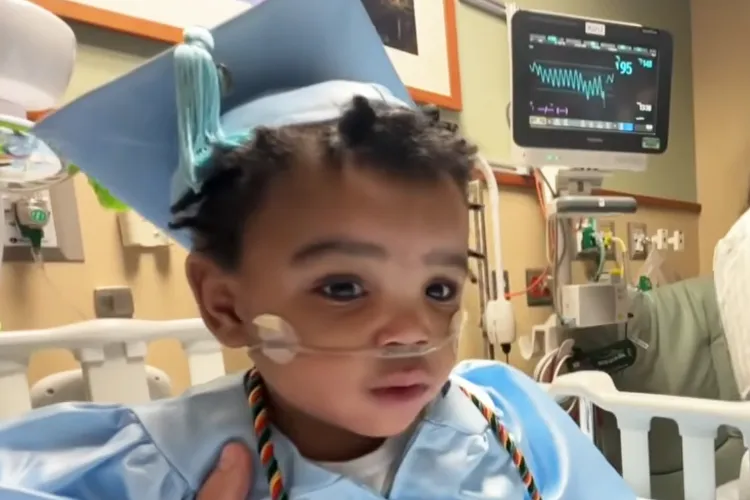
By the time Adonis was finally healthy enough to leave, his hospitalization had become the longest recorded NICU stay in the facility’s history.
His homecoming marked the end of an extraordinary chapter for a family that had spent month after month living with uncertainty, fear and hope.
For Wellington, seeing her son outside the hospital carried emotions that were difficult to contain. She described the moment as bittersweet, explaining that she had held in so much during the long hospitalization that finally having Adonis home brought everything rushing to the surface.
The journey had started under dramatically different circumstances.
Born at only 24 weeks, Adonis arrived months before a typical full-term delivery and at a weight of less than two pounds. His earliest days were therefore spent surrounded not by the familiar surroundings of home, but by the equipment, medical staff and constant monitoring of a neonatal intensive care unit.
Days became weeks.
Weeks became months.
His parents repeatedly returned to the hospital as their baby continued fighting through an unusually long first year.
Nurse Katherine Martinson remembered Adonis as a fighter from the beginning. She also recalled the uncertainty that accompanied his earliest days, including leaving the hospital and returning while hoping and praying that he would still be there.
That fear became part of the emotional reality surrounding his hospitalization.
For the people caring for an extremely premature baby, progress can be measured very differently from the milestones families normally imagine during a child’s first year. For Adonis’ parents, simply continuing forward became meaningful.
And he kept doing exactly that.
His 334 days in intensive care eventually surpassed every previous NICU stay recorded at North Memorial Health.
The number tells only part of the story.
Behind those 334 days were hundreds of mornings and nights during which Wellington and Rancy-Quaye had to balance hope with the uncertainty surrounding their son. His first year was not defined by the usual sequence of bringing a newborn home, settling into routines and watching milestones unfold in a familiar bedroom.
Instead, much of his first year unfolded inside the hospital.
That made the day he finally left especially powerful.
The child who had entered the world weighing less than two pounds was now well enough to begin an entirely different stage of life — at home with his family.
Wellington made clear how deeply the experience had affected her. After months of carrying so many emotions, watching her son finally reach this point was overwhelming.
For Adonis’ father, faith became one of the family’s most important sources of strength.
Rancy-Quaye said trusting God was what carried them through the experience, describing faith as the family’s central answer during a journey in which so much was beyond their control.
Their son’s survival and eventual discharge gave that faith an especially personal meaning.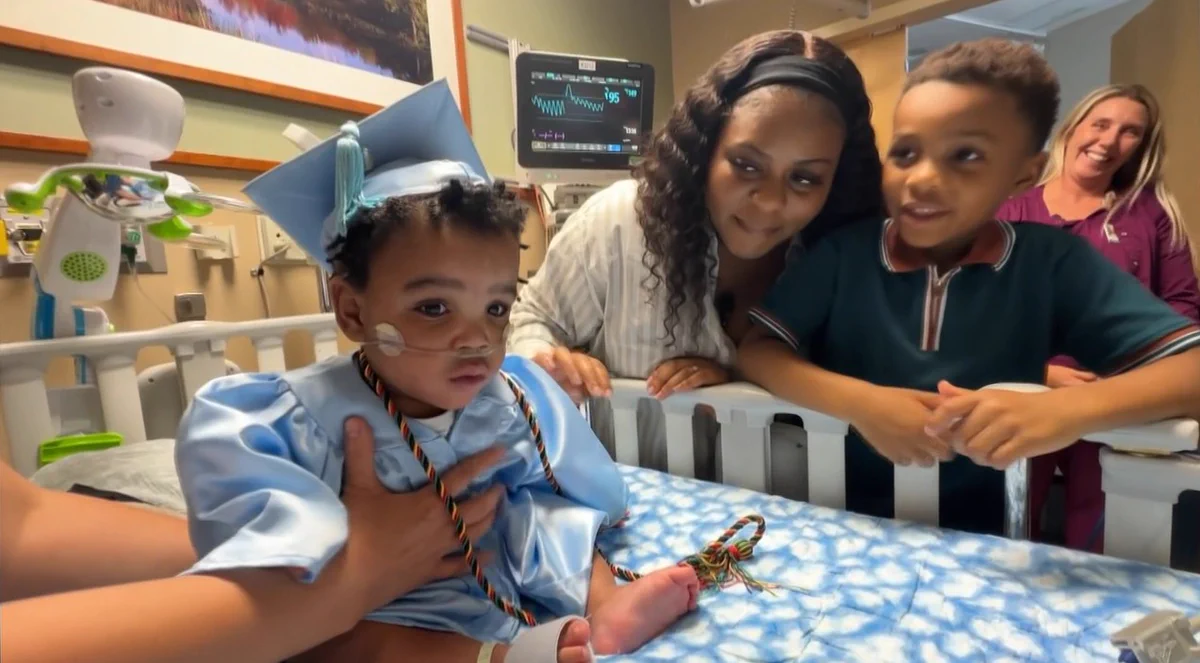
After nearly a year of uncertainty, the family was no longer waiting beside a hospital bed for the next development. They could finally take Adonis through the doors of the hospital and toward home.
Wellington expressed gratitude that her son had made it to that moment.
To her, Adonis’ persistence through his difficult beginning confirmed something she had come to believe deeply during the long hospitalization: her son was meant to be here.
His discharge does not erase the emotional weight of the months that came before it.
The family endured nearly an entire year in which the NICU became a central part of their lives. Nurses and medical staff watched Adonis grow from an extremely premature newborn into a baby strong enough to leave the hospital.
For those caregivers, his departure also represented the conclusion of an unusually long relationship.
Adonis had spent 334 days in their care — longer than any other NICU patient recorded in the hospital’s history.
For his parents, however, the milestone meant something even simpler and more personal.
Their baby was finally coming home.
The hospital chapter that began with a 24-week delivery and a newborn weighing less than two pounds had ended with Adonis leaving alongside the parents who had spent months hoping for exactly that day.
His story became one of endurance measured not in a single dramatic moment, but in hundreds of days of continuing to fight.
For Wellington and Rancy-Quaye, there were moments when the future felt uncertain. There were prayers, difficult emotions and long stretches of waiting.
Then, after 334 days, the waiting changed.
Adonis was no longer the tiny premature baby beginning life inside intensive care.
He was the little boy his parents could finally carry home.