Duncan Sheik Dies at 56, Leaving Behind a Career That Bridged Pop Music and Broadway

Duncan Sheik spent much of his career moving between musical worlds that rarely overlap easily. He first became widely known as the voice behind one of the most enduring alternative-pop songs of the 1990s, then reinvented himself years later as an award-winning Broadway composer.
Now, that career has come to an unexpected end.
Sheik died on Thursday, September 17, in Manhattan at age 56. His mother, Suzanne Sheik, said the cause was heart failure that led to cardiac arrest. He is survived by his wife, Nora Ariffin, and their 7-year-old daughter, Ines.
The news followed a troubling health update only a day earlier. On September 16, a message posted to Sheik’s Instagram account said he was receiving medical treatment and was in critical but stable condition. His family asked for privacy and did not disclose further medical details.
The announcement came after a summer in which Sheik had repeatedly shared photographs of himself from the hospital. Yet even during that difficult period, his professional life remained active. One of his newest stage projects was preparing to open Off-Broadway, while another production connected to his most famous theatrical work, Spring Awakening, was also generating renewed attention.
In a statement following his death, Sheik’s representative remembered him not only for his music but also for the personal qualities he brought to those around him. The statement described him as a father, husband, son, brother and friend, and said he was surrounded by love when he died.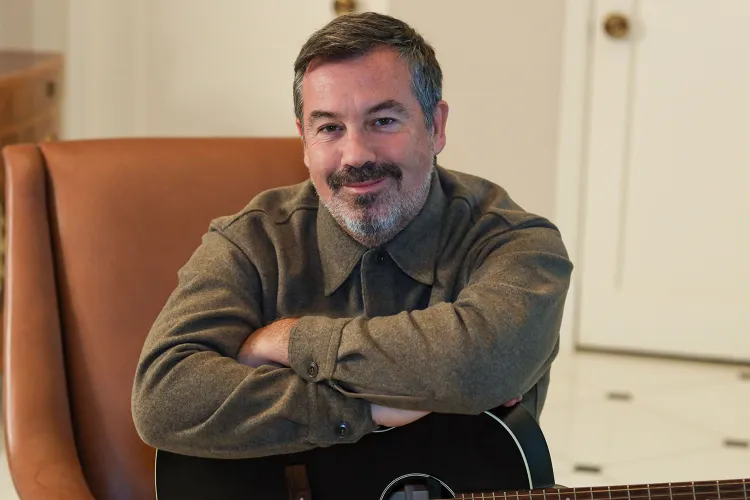
For listeners who discovered him in the 1990s, Sheik will forever be closely associated with “Barely Breathing.”
His self-titled debut album arrived in 1996, and the song became a slow-building success rather than an instant product of a major promotional campaign. It eventually reached No. 16 on the Billboard Hot 100 and remained on the chart for 55 consecutive weeks.
The track earned Sheik a Grammy nomination for Best Male Pop Vocal Performance and established him as an introspective singer-songwriter during a period when the musical landscape was rapidly changing.
The emotional tension in “Barely Breathing” had a personal foundation. Sheik later explained that the song grew out of his experience pursuing a woman who was involved with another man. He acknowledged that emotional difficulty often found its way into his creative work, turning uncomfortable experiences into material for songs.
But the success of his debut did not define the rest of his career.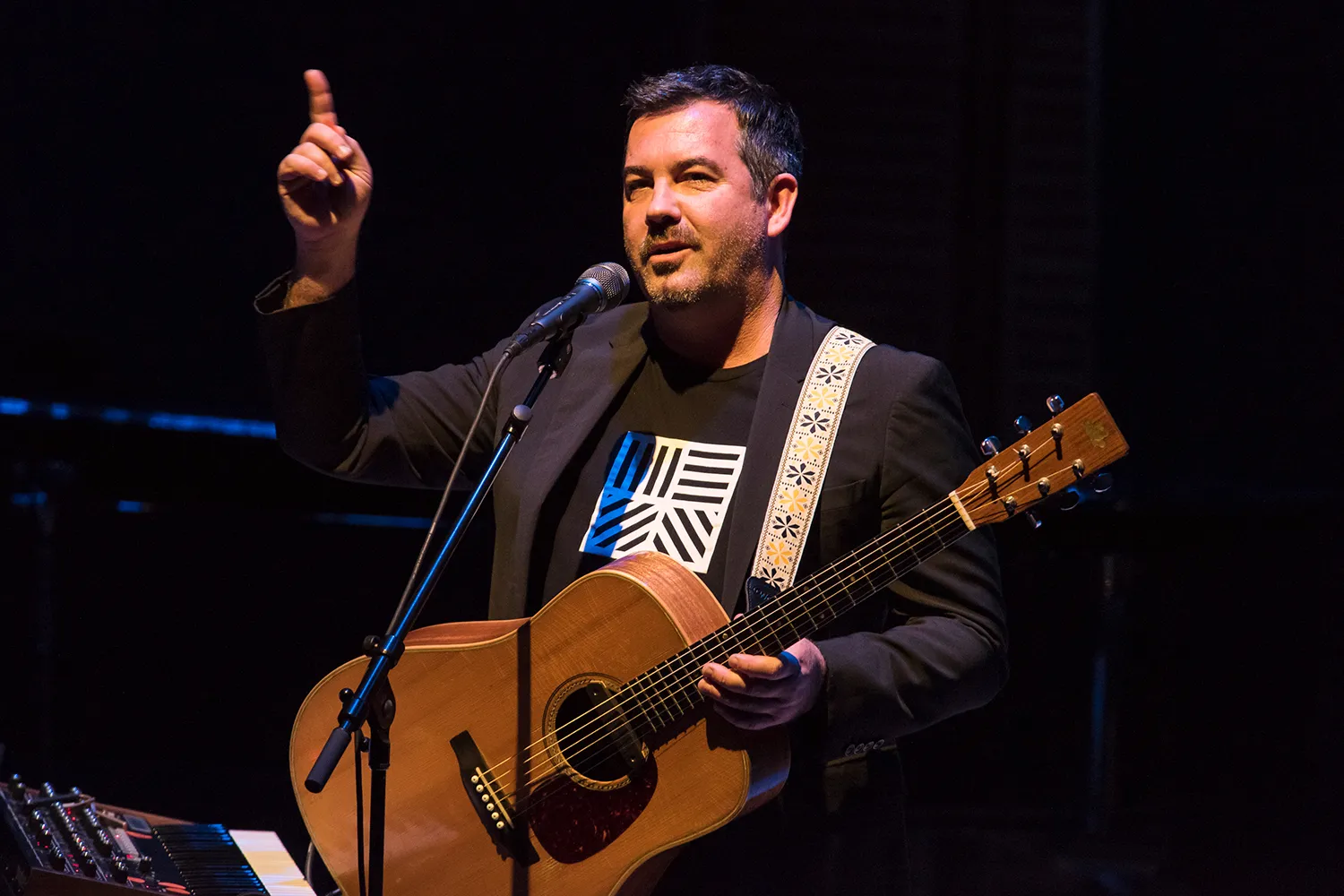
Albums including Humming in 1998, Phantom Moon in 2001 and Daylight in 2002 failed to match the commercial impact of his first release. Rather than trying indefinitely to recreate his initial pop breakthrough, Sheik gradually moved toward a different form of storytelling.
That decision ultimately transformed his career.
By the early 2000s, Sheik had begun working as a composer for musical theater. He later explained that mainstream pop had shifted toward acts whose music felt increasingly distant from what he wanted to create. Musical theater was not an obvious home for him either, but it offered the possibility of doing something entirely different.
The biggest result of that transition was Spring Awakening.
Working with writer Steven Sater, Sheik spent roughly eight years developing the musical. Based on Frank Wedekind’s 1891 German play, the story follows young people confronting sexuality, repression and the confusion of adolescence within the restrictive society of late-19th-century Germany.
Instead of approaching that material with a traditional Broadway sound, Sheik and Sater built the show around rock music.
Their working method was unusual. Sater would generally create the words first, with Sheik then composing music around them. The combination produced a score that treated adolescent anger, fear, desire and uncertainty with an intensity rarely associated with conventional musical theater at the time.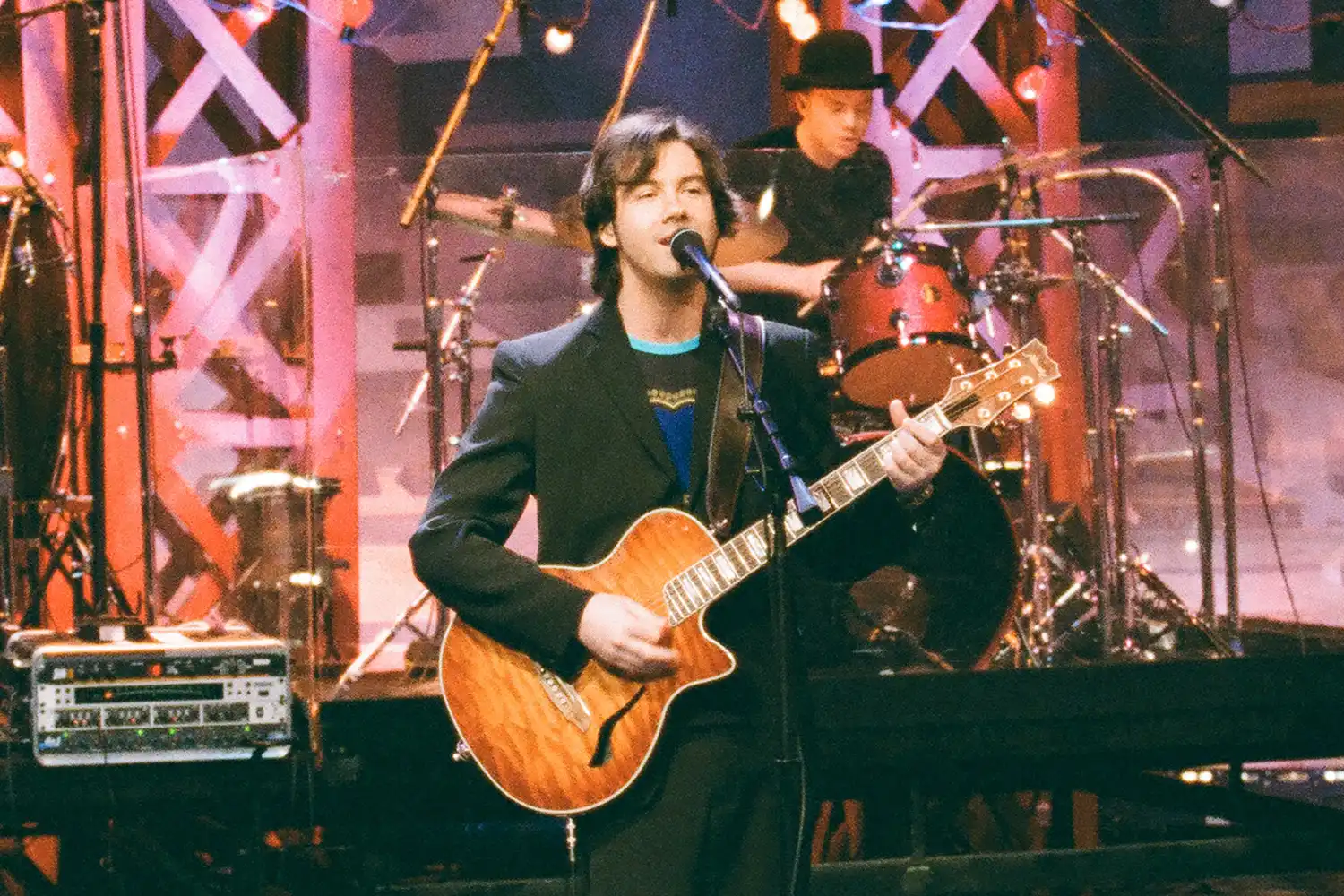
When Spring Awakening reached Broadway in 2006, it became a major success.
The original production featured Jonathan Groff, Lea Michele and John Gallagher Jr. and won eight Tony Awards, including Best Musical. Sheik won the Tony for Best Orchestrations and shared the award for Best Original Score with Sater. The pair also received a Grammy for Best Musical Show Album.
For Sheik, it represented something more than a successful second act. The musician who had once been identified largely by a single 1990s hit had established himself as a major creative force in another field.
The show continued to grow beyond its initial Broadway run. It toured nationally, reached London’s West End and became widely performed by regional and college theater companies. A 2015 Broadway revival by Deaf West Theatre featured deaf and hearing performers using American Sign Language and spoken English together.
The original Broadway cast later reunited for a 15th-anniversary concert in November 2021, an event documented in Spring Awakening: Those You’ve Known. Sheik and Sater also returned to the world of the musical in 2018, creating a new song titled “All You Desire” for the television series Rise.
Sheik continued experimenting with theatrical projects rather than settling into a single formula.
He wrote the music and lyrics for American Psycho, adapted from Bret Easton Ellis’ novel. The musical premiered in London in 2013 before arriving on Broadway in 2016. Its New York run was relatively brief, but the production developed a cult following and continued to be staged internationally, including a London revival in 2026.
Even near the end of his life, Sheik remained creatively active.
His musical Memoirs of Amorous Gentlemen, adapted from the manga graphic novel by Moyoco Anno, was preparing for an Off-Broadway debut. Sheik wrote both the music and lyrics. The production was scheduled to begin performances on September 25, followed by an official opening on October 15.
At the same time, he never completely left his identity as a recording artist. He continued performing and releasing solo music, with Claptrap in 2022 becoming his most recent release.
Sheik’s connection to music stretched back to childhood.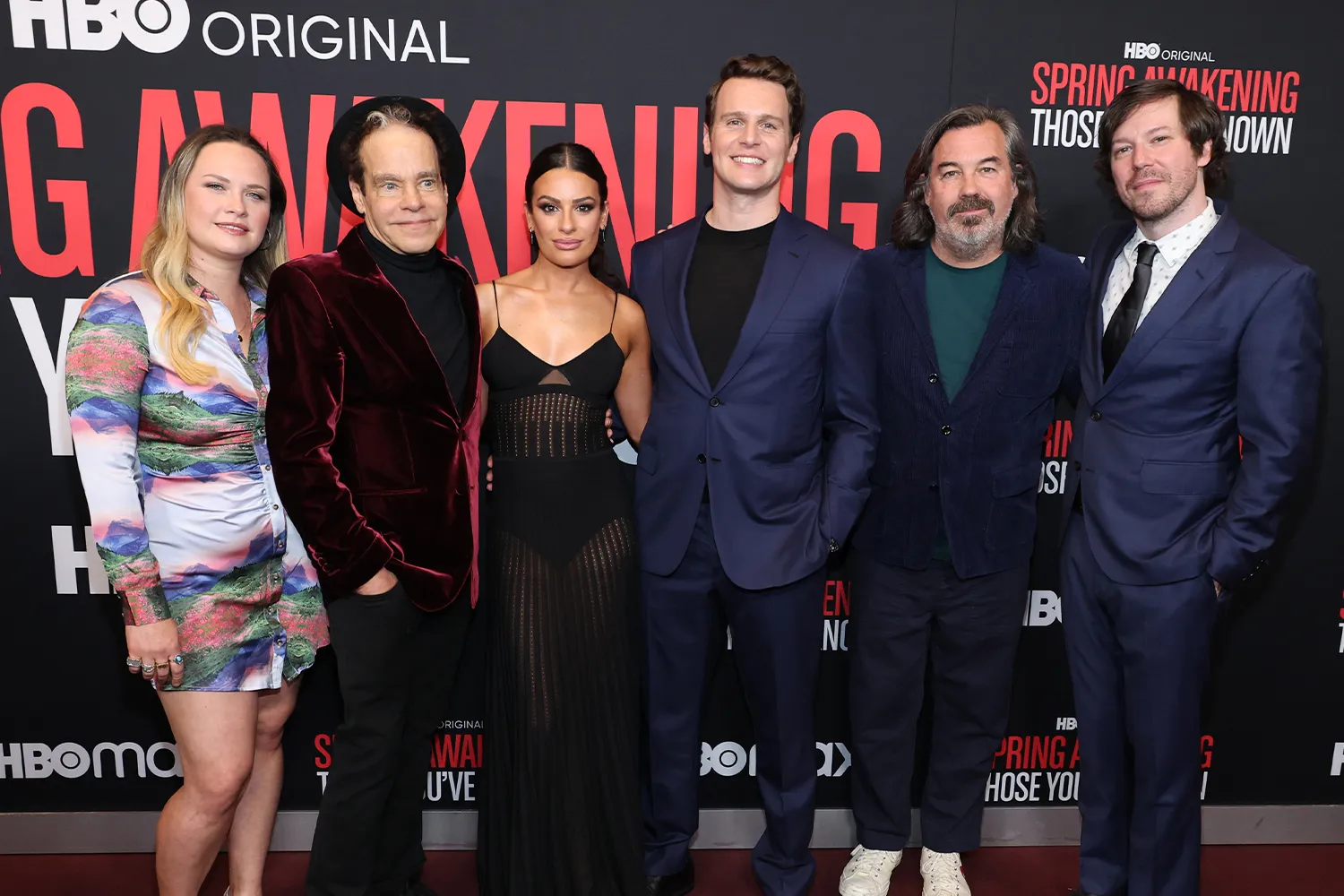
Born in Montclair, New Jersey, in 1969, he was raised largely in South Carolina after his parents divorced. His grandmother, who was also musical, encouraged his interest from an early age. He later recalled sitting at a piano as a 4-year-old, improvising while she enthusiastically encouraged him.
Despite that early relationship with music, singing publicly did not come naturally. Sheik said he initially felt self-conscious about his voice and did not begin singing publicly until college, when he recorded at Brown University.
He attended Phillips Academy in Andover, Massachusetts, before studying semiotics at Brown. During his university years he also became a practicing Buddhist. After graduating in 1992, he moved to Los Angeles.
His life and career were not without difficult periods. In 2011, Sheik canceled a tour supporting his album Covers 80’s so he could seek treatment for alcoholism.
That same year, he began dating Nora Ariffin, who later became his wife. Their daughter, Ines, was born in December 2018.
Over three decades, Sheik repeatedly demonstrated an ability to move forward rather than remain attached to the success that first made him famous.
“Barely Breathing” gave him his breakthrough.
Spring Awakening gave him a reinvention.
And the projects he continued developing through 2026 showed that, even after major awards and decades in the industry, he was still searching for new ways to combine music and storytelling.
His death leaves unfinished work and a young family behind, but it also closes a career that traveled an unusually wide creative path — from the intimate sound of a 1990s singer-songwriter to some of the most distinctive music heard on the Broadway stage.
For audiences who encountered Duncan Sheik in entirely different chapters of that journey, the songs remain.