BOUND BY TRADITION: THE STORY OF THE THREE-INCH GOLDEN LOTUS
BOUND BY TRADITION: THE STORY OF THE THREE-INCH GOLDEN LOTUS
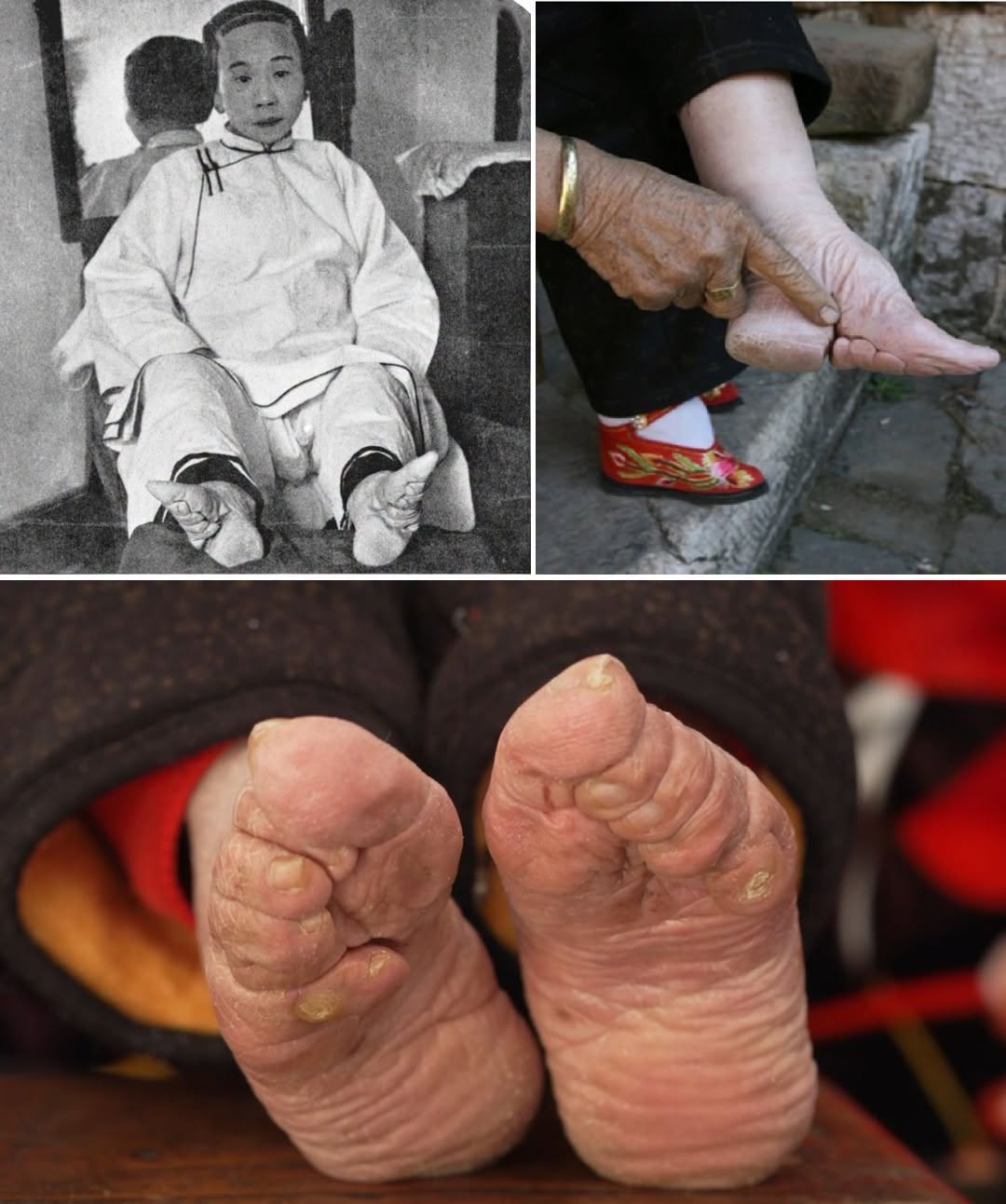
For centuries in traditional China, one of the most admired symbols of elegance was a foot small enough to fit inside a shoe barely longer than a human palm. Known as the “lotus foot,” this shape was not natural—it was meticulously formed through foot binding, a painful practice typically forced upon young girls starting between the ages of five and six.
Tightly wrapped in long cloth bandages, a young girl’s toes were bent downward and the arch broken to force the foot into a tiny, curved crescent. The ultimate ideal was the “golden lotus,” a foot measuring approximately three inches, or 7.6 centimeters. First emerging among court dancers and wealthy elites around the 10th century, the custom eventually spread throughout Han Chinese society, becoming a crucial prerequisite for marriage, social status, and aristocratic refinement.
Yet this status symbol required severe, irreversible sacrifice. The practice permanently disfigured bone structures, restricting movement and causing lifelong pain or disability. Intricately embroidered silk slippers were crafted specifically for these delicate feet; surviving examples today look deceptively like footwear designed for children’s dolls.
By the late 19th and early 20th centuries, Chinese reformers began aggressively challenging the custom. Following the end of the Qing dynasty, the newly established Republic of China officially outlawed foot binding in 1912, though secret practices lingered in remote rural villages for decades. Today, these tiny shoes stand as quiet relics of a painful past, offering a sobering reflection on how extreme physical transformations can become normalized when dictated by societal ideals of beauty.