MILOU VERHOOF: THE 17-YEAR-OLD RAPE SURVIVOR WHOSE EUTHANASIA SPARKED A NATIONAL DEBATE
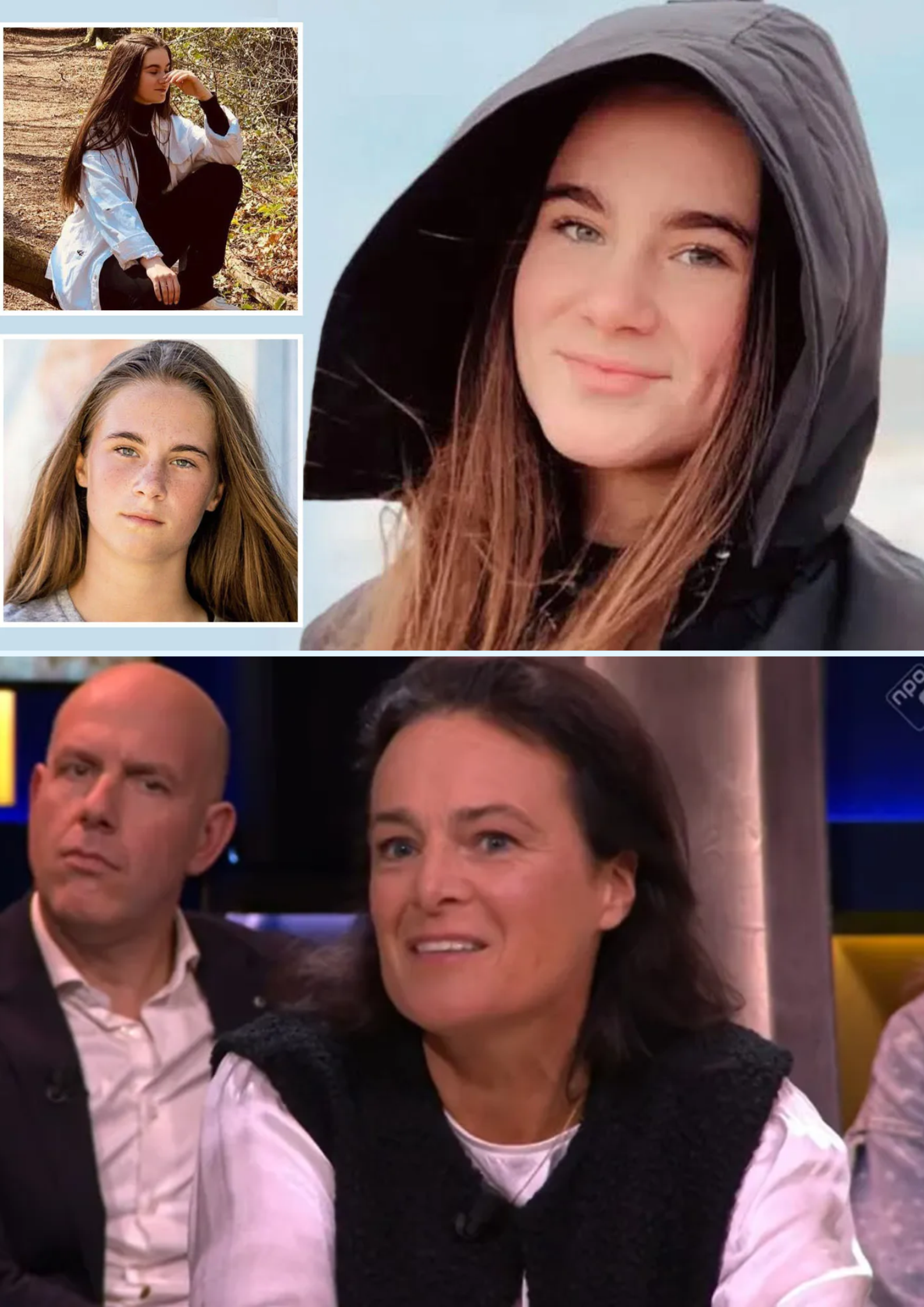
MILOU VERHOOF: THE 17-YEAR-OLD RAPE SURVIVOR WHOSE EUTHANASIA SPARKED A NATIONAL DEBATE
HER DEATH WAS LEGAL UNDER DUTCH LAW — BUT YEARS LATER, DOCTORS ARE STILL QUESTIONING THE DECISION
When Milou Verhoof prepared for the final moments of her life, she was just 17 years old.
She sat in her childhood bedroom with her parents beside her, dressed for the farewell she had chosen. Psychiatrist Menno Oosterhoff was also there.
On October 2, 2023, Milou died by euthanasia at her family home in the Netherlands after years of severe psychological suffering.
Her case was legal under Dutch euthanasia law, but it has since become the centre of a fierce medical and ethical debate over whether euthanasia should be available to adolescents whose suffering is caused by psychiatric illness.
Milou had survived sexual violence and later developed serious mental-health problems, including post-traumatic stress disorder, depression, self-harm and repeated suicide attempts.
Her parents have defended the decision, saying they had watched their daughter suffer for years and believed that Oosterhoff had carefully assessed her condition.
But other doctors disagreed.
Fourteen Dutch doctors and psychiatrists eventually wrote to prosecutors asking for an investigation into the circumstances surrounding Milou’s euthanasia. In 2026, the dispute reached the courts after Milou’s parents sought the identities of those who had signed the letter.
 A CHILDHOOD CHANGED BY TRAUMA
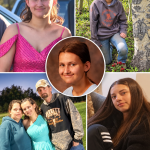
According to accounts from her family, Milou had once been a cheerful and sensitive child.
Her mother, Mireille Verhoof, described her daughter as someone who was always laughing and who grew up in a loving family.
But when Milou was around 11, her older brother Daan, who has Down syndrome, became critically ill and spent weeks in a coma.
Milou was deeply affected by the experience.
Two years later, she was raped.
Her mental health subsequently deteriorated. She suffered from PTSD, depression and severe self-harm, and spent periods in psychiatric care.
During another stay in a secure psychiatric facility, she was also sexually abused by another patient, according to accounts reported about her case.
Her family said the repeated trauma left Milou struggling to imagine a future without unbearable psychological pain.
 YEARS OF TREATMENT AND SUICIDE ATTEMPTS
Milou underwent psychiatric treatment, medication and hospital admissions.
She also made repeated suicide attempts.
At different points, she asked doctors to consider euthanasia. Several psychiatrists rejected her requests, partly because of her age, while another application was delayed.
Eventually, Milou’s family learned about Menno Oosterhoff, a psychiatrist who had become known for working with patients seeking euthanasia because of severe psychiatric suffering.
Oosterhoff became involved with Milou only months before her death.
According to a later Dutch public broadcaster report based partly on the euthanasia review record, he concluded that her psychological suffering was unbearable and that there was no reasonable alternative capable of relieving it.
One independent psychiatrist consulted during the process reportedly believed there were still possible treatment options, including treatment for PTSD and personality-related problems.
Oosterhoff disagreed that these possibilities offered a realistic prospect of recovery and ultimately proceeded with the euthanasia.
The Dutch Regional Euthanasia Review Committees later concluded that the procedure had been carried out with due care. The case was therefore not referred to prosecutors for further investigation at that stage.
WHAT DOES DUTCH LAW SAY ABOUT A 17-YEAR-OLD?
The Netherlands legalized euthanasia in 2002 under strict statutory conditions.
A doctor must be satisfied that the patient’s request is voluntary and well-considered, that the suffering is unbearable and without prospect of improvement, and that there is no reasonable alternative. An independent physician must also be consulted.
Dutch law also specifically addresses minors.
Children aged 12 to 15 require parental consent. A 16- or 17-year-old can make an independent request, although parents or guardians must be consulted.
That distinction was central to Milou’s case.
At 17, she was legally able to request euthanasia herself if the statutory conditions were met. Her parents supported her decision throughout the process.
“IT’S NOT ABOUT AGE; IT’S ABOUT THE SUFFERING”
In a conversation recorded shortly before her death, Milou discussed the future she felt she had lost.
When asked what she would say to people who believed she was too young to make such an irreversible decision, she argued that her suffering — rather than simply her age — should be considered.
Her supporters saw those words as evidence that she had thought deeply about her decision.
But critics have questioned whether a teenager suffering from severe psychiatric illness can reliably make such a permanent decision.
Professor Paul S. Appelbaum, a psychiatrist at Columbia University, told The Sun that he considered psychiatric euthanasia particularly problematic in adolescents.
He argued that young people are still developing and that severe mental illness can itself affect a person’s judgment, sense of hopelessness and decisions about the future.
The disagreement reflects a broader unresolved question in psychiatry: whether doctors can reliably determine that psychological suffering is genuinely without prospect of improvement, particularly in a young person whose personality and circumstances may continue to change.
FOURTEEN DOCTORS RAISE CONCERNS
After Milou’s death, 14 doctors and psychiatrists signed a letter to Dutch prosecutors requesting an exploratory investigation.
The letter reportedly raised questions about whether the legal requirements surrounding psychiatric euthanasia had been properly met and whether Milou had been sufficiently capable of making the decision.
Her parents strongly rejected the accusations.
They argued that the doctors’ intervention had caused further suffering while the family was grieving their daughter.
In September 2026, a Dutch court ruled that Milou’s parents should receive the names of the doctors who had signed the letter.
The ruling did not determine that Milou’s euthanasia had been unlawful. Rather, it concerned the parents’ request for information about the doctors behind the letter.
A CASE THAT CONTINUES TO DIVIDE OPINION
Milou’s death has become part of a much larger debate in the Netherlands about psychiatric euthanasia and young people.
Her case was particularly significant because she was among the first minors in the Netherlands to receive euthanasia specifically because of psychiatric suffering.
Dutch broadcaster EenVandaag reported that another minor received euthanasia for psychiatric suffering later in 2023, while 13 people under the age of 25 received euthanasia for psychiatric reasons in 2024.
Supporters of the practice argue that severe psychiatric suffering can be just as devastating as physical illness and that refusing a carefully considered request may leave some patients facing continued suffering or suicide.
Critics argue that psychiatric conditions can change and that young people in particular may recover with time, treatment or different forms of support.
Neither side has erased the fundamental difficulty at the heart of Milou’s story.
She was physically healthy, yet she believed that continuing to live with her psychological suffering had become unbearable.
Her parents believed her decision reflected years of suffering they had witnessed firsthand.
Other doctors believed there were still unanswered questions.
And although Dutch review authorities concluded that the euthanasia met the legal standard of due care, the controversy surrounding Milou’s case continues years after her death.
For her family, however, the debate is inseparable from the memory of the girl they knew before trauma changed her life.
Milou was 17 when she died.
The questions surrounding her final decision remain part of a difficult national conversation about suffering, autonomy, psychiatric treatment and how much hope should be required before medicine accepts a young person’s decision to die.