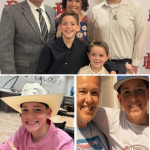
New Medical Examiner Detail Reveals Where Presley Gerber Was When He Died at 27

Presley Gerber, the model and only son of Cindy Crawford and Rande Gerber, was staying at a rehabilitation facility when he died on September 20, according to newly released information from the Los Angeles County Medical Examiner.
The detail has added another painful layer to a tragedy that has attracted widespread attention. However, officials have not announced what caused Gerber’s death, and the medical examination remains incomplete. The available information does not establish that his death was connected to the treatment he was receiving or to the facility itself.
Gerber was 27 years old.
A representative for his family confirmed the loss and asked that Cindy Crawford, Rande Gerber and their daughter, actress and model Kaia Gerber, be given privacy during an extremely difficult time. No further information about Presley’s final hours has been released.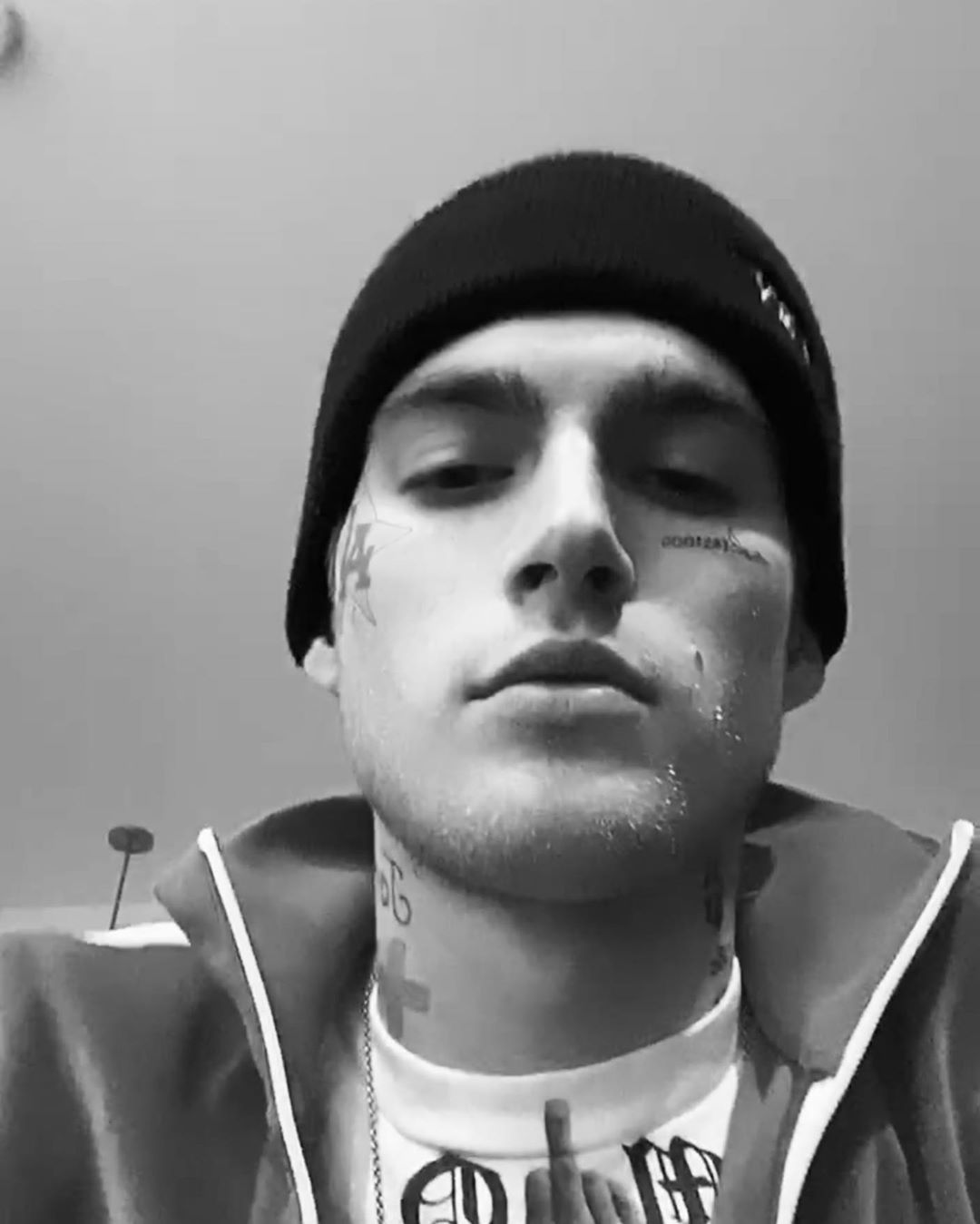
Crucial questions remain unanswered
Although the location of Gerber’s death is now known, the central question remains unresolved: What caused a 27-year-old man to die while receiving treatment?
The medical examiner’s investigation is expected to include an autopsy and potentially toxicology testing. Those procedures can take time, particularly when laboratory analysis is necessary. Until officials issue a formal determination, any attempt to connect Gerber’s death to a particular substance, medication or medical condition would be speculation.
Authorities have not disclosed when he entered the facility or the specific kind of treatment he was receiving. It is also unclear who discovered him, whether emergency assistance was attempted or what happened in the hours before his death.
The facility’s name has not been publicly confirmed.
For now, the medical examiner’s record provides only a limited window into Gerber’s final days. He was at a rehabilitation facility when he died, but the circumstances surrounding his death and its underlying cause remain unknown.
Years of candid conversations about mental health
The new detail carries additional emotional weight because Gerber had spent several years speaking openly about depression, substance use and the difficult process of recovery.
During a 2023 podcast appearance, he explained that his experiences with depression and related mental-health struggles had inspired him to help other people facing similar challenges. He believed that reaching even one person who felt trapped in the same emotional place he had once experienced would make his openness worthwhile.
Gerber later began sharing videos under the title “Mental Health Mondays.” Rather than portraying recovery as a simple or completed transformation, he described it as continuing work. His discussions addressed treatment, isolation and the importance of connecting with people who understood what he was going through.
That openness became especially pronounced in December 2025, when Gerber shared a candid video discussing his medications and the uncertainty surrounding his treatment.
He said he was taking buprenorphine, Xanax and Valium while coping with severe panic attacks and other mental-health symptoms. He also expressed concern about medication dependency, possible withdrawal and what he described as inconsistent guidance after consulting numerous psychiatrists.
Gerber acknowledged that several personal losses had affected his mental state. At the same time, he said he was trying to make positive changes, including avoiding alcohol, exercising regularly and limiting contact with people whose presence might interfere with his recovery.
He hoped that speaking honestly would help others recognize that they were not alone. Gerber also appeared to be searching for people who could offer meaningful guidance and support as he continued trying to stabilize his life.
Those statements do not explain his death. They provide context about the difficulties he had chosen to discuss publicly before the medical examiner’s investigation began.
A deeply personal treatment update
Months before his death, Gerber shared another vulnerable account of his recovery efforts.
In a social-media post published in March 2026, he revealed that he had undergone an ibogaine treatment as part of his attempt to address addiction. Ibogaine is a naturally occurring psychedelic substance derived from a Central West African plant. It has been studied for possible applications in addiction treatment but is not approved for medical use in the United States and may carry serious health risks.
Gerber described feeling frightened before the experience. He said the treatment forced him to confront personal issues he had previously avoided and to surrender some of the control he had been holding onto.
His message contained both hope and uncertainty. He wanted the experience to become a turning point, but he also acknowledged that he could not yet know whether it would produce lasting change.
One particularly emotional part of the post revealed his hope that he would never need to return for another treatment attempt. His mother and sister responded publicly with messages of encouragement, telling him they were proud of the work he was doing.
There is currently no official evidence connecting that earlier treatment to his death approximately six months later.
Growing up in the public eye
Born in Beverly Hills in 1999, Presley grew up alongside Kaia in one of the fashion industry’s most recognizable families. Cindy Crawford became one of the defining supermodels of her generation, while Rande Gerber established a successful career as an entrepreneur and businessman.
Presley eventually entered the modeling industry himself. He worked on fashion campaigns and appeared on runways for major international brands. Despite those professional opportunities, his public identity increasingly became associated with something far more personal: his willingness to discuss struggles that many individuals and families prefer to keep private.
His journey was not without highly visible difficulties. He faced a DUI charge in 2019 and later attracted attention after tattooing the word “MISUNDERSTOOD” on his face. The tattoo was subsequently removed, and in later years, Gerber began speaking more directly about the emotional issues underlying his behavior.
Kaia also discussed the effect her brother’s prolonged addiction struggles had on their family. She explained that when one person is dealing with a serious crisis, the roles of everyone around that person can change.
In her case, Kaia said she gradually viewed herself as the child who should not ask for help because her brother already required considerable support. At the same time, she admired Presley’s decision to speak openly about his experiences instead of allowing shame or secrecy to define him.
The siblings appeared together at an event in Los Angeles in May 2026. Presley was also photographed with his parents at a gathering in Malibu in June, one of his final known public appearances.
What the medical examiner must determine
The disclosure that Presley Gerber died at a rehabilitation facility is significant, but it is not a cause-of-death finding. It establishes where he was, not precisely what happened there.
The medical examiner must determine the cause of death, meaning the injury, illness or medical condition that resulted in his death. Officials may also determine the manner of death, which is a separate classification that can include natural, accidental or undetermined.
Until those findings are released, the confirmed account remains limited: Presley Gerber died on September 20 at age 27 while staying at a rehabilitation facility. His family has confirmed his death and requested privacy, while the official medical investigation remains unfinished.
Gerber’s previous disclosures provide important context about the battle he had been fighting, but they cannot supply the missing medical answer. That conclusion must come from investigators rather than assumptions based on his past.
For now, his final chapter remains painfully incomplete: A young man who repeatedly tried to transform his personal struggles into support for others died while seeking treatment, and the official explanation for what happened has yet to be determined.