🚨 LINDSAY CLANCY CASE: ONE CAMERA DETAIL IS BRINGING NEW ATTENTION BACK TO THE CASE
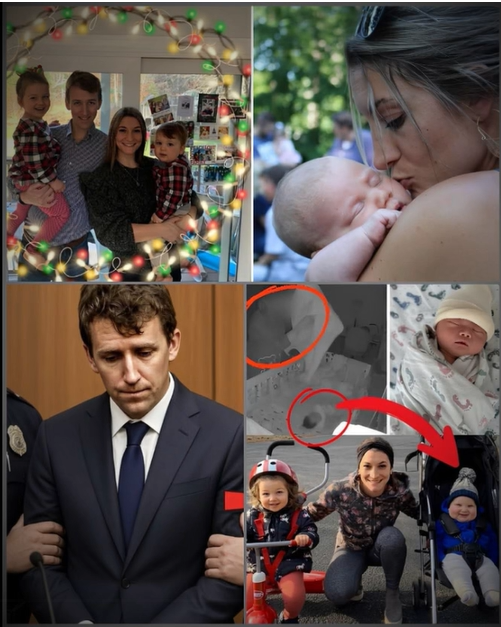
🚨 LINDSAY CLANCY CASE: ONE CAMERA DETAIL IS BRINGING NEW ATTENTION BACK TO THE CASE
The trial is over.
But the questions surrounding Lindsay Clancy’s case are far from over.
After nearly seven weeks of testimony, the jury spent seven days deliberating before reporting that it could not reach a unanimous verdict.
On September 4, Judge William Sullivan declared a mistrial.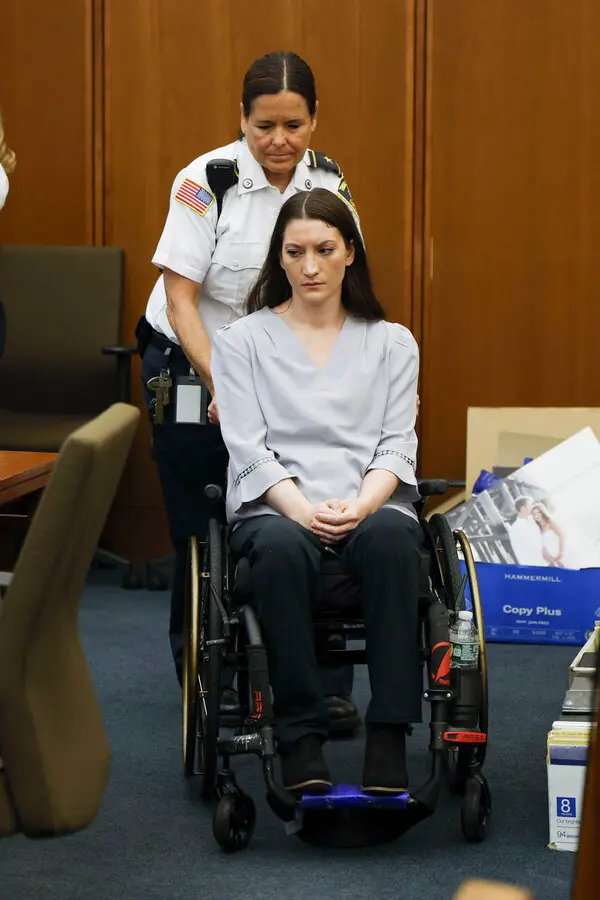
Now, attention is turning back to individual pieces of evidence presented during the trial — including details involving surveillance and camera footage.
For months, the case has generated intense debate over what happened inside the Clancy family home on January 24, 2023, and what could be established from the evidence surrounding that day.
The prosecution and defense offered very different interpretations of Lindsay’s actions and state of mind.
The defense argued that Lindsay was experiencing postpartum psychosis and was not criminally responsible for the deaths of her three children.
Prosecutors argued that she understood what she was doing and should be held responsible.
The jury never reached a final answer.
Eleven jurors ultimately favored finding Lindsay not criminally responsible, according to accounts from jurors who later spoke publicly, while one juror disagreed. That deadlock forced the mistrial.
And now, details from the trial are being examined again.
One reason the camera evidence continues to attract attention is simple:
What exactly did investigators see — and what can it actually prove?
A camera recording can establish timing.
It can show movement.
It can reveal what was happening in a particular location.
But it cannot automatically answer every question about a person’s intentions or mental state.
That distinction matters enormously in this case.
The evidence presented at trial was extensive, with more than 80 witnesses and hundreds of exhibits, according to a detailed trial record.
And despite all of that evidence, the jury still could not reach a unanimous verdict.
The case therefore remains legally unresolved.
Meanwhile, another major development is putting Lindsay’s case back into the spotlight.
Patrick Clancy, the children’s father, recently spoke publicly for the first time since the mistrial in an interview with 60 Minutes, discussing his grief and the conspiracy theories that have circulated online about his role in the deaths.
He rejected those theories and said they have distracted from the issue of perinatal mental health.
The renewed attention does not mean the camera footage has produced a new official finding.
It has not.
It means that evidence presented during a trial that ended without a verdict is once again being scrutinized — this time without a jury sitting in deliberations.
And one question remains at the center of everything:
If Lindsay Clancy’s case returns to court, will the same evidence lead to the same deadlock — or will something change?
For now, there is no verdict.
And there is no final resolution.