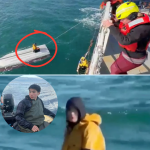
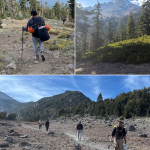
70-YEAR-OLD HIKER SURVIVES 11 DAYS ALONE IN THE WILDERNESS AFTER SHOUTING FOR HELP 10,000 TIMES
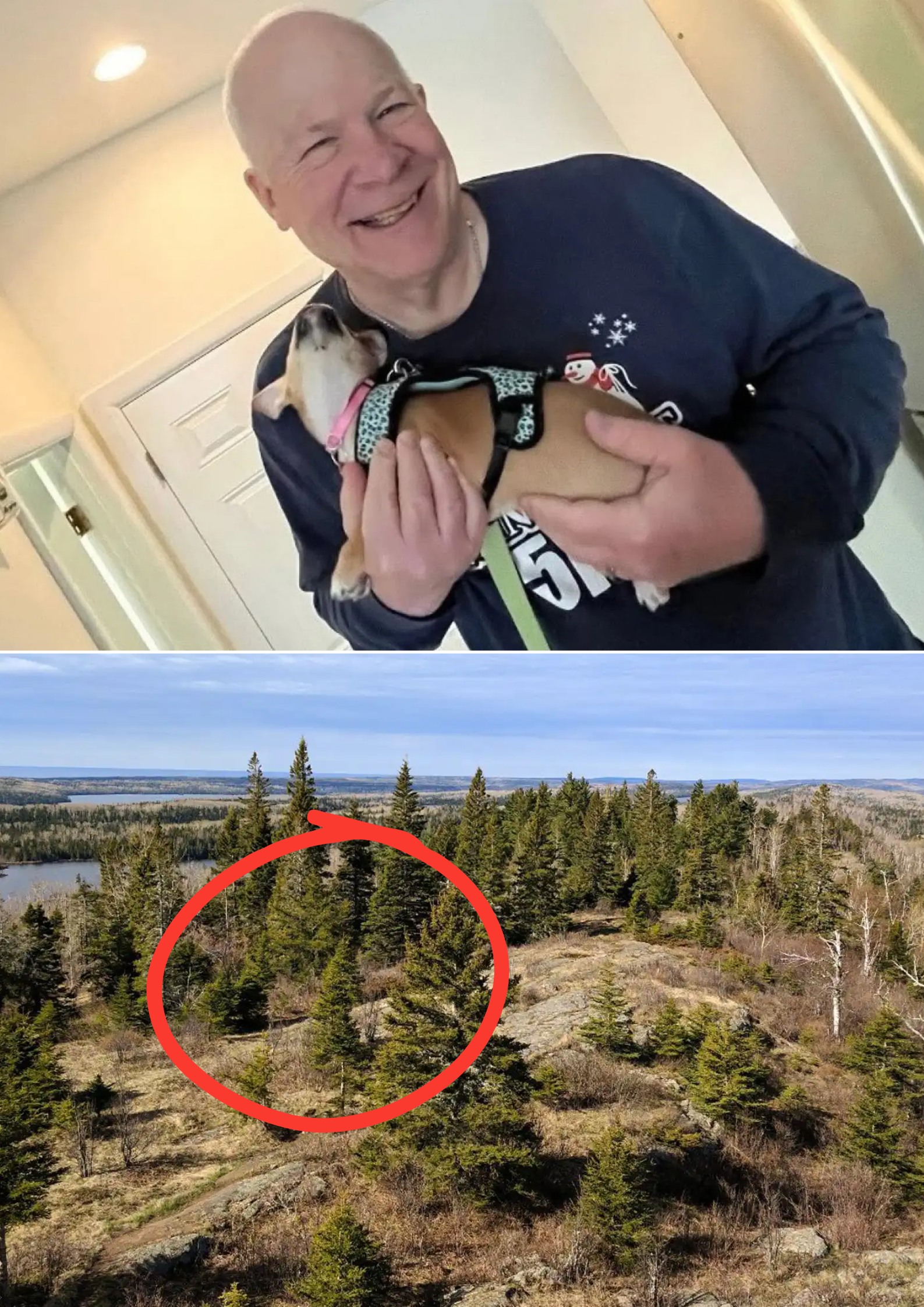
70-YEAR-OLD HIKER SURVIVES 11 DAYS ALONE IN THE WILDERNESS AFTER SHOUTING FOR HELP 10,000 TIMES
A 70-year-old Michigan hiker has opened up about the terrifying 11 days he spent lost alone in the wilderness — surviving on dwindling food, treated pond water and hope that someone would eventually hear his cries.
Craig Berg, from Royal Oak, Michigan, disappeared during a solo hiking trip at Isle Royale National Park, a remote wilderness island in Lake Superior.
He was eventually found alive on September 12 after two kayakers heard him shouting for help.
Berg later estimated that he had repeated the words “Help! I’m lost!” around 10,000 times during his ordeal.
 HE SET OUT FOR A WEEK-LONG SOLO HIKE
Berg arrived at Isle Royale on August 27, planning to spend about a week hiking through the remote national park.
He was an experienced hiker and had spent months preparing for the trip. He had previously completed a solo trek and brought equipment he believed would help him navigate the challenging terrain.
The first several days went smoothly.
But around the fourth day of his trip, Berg veered away from a poorly marked trail near Chickenbone Lake and entered a swamp.
The ground became extremely difficult to cross.
Berg described the mud as being similar to quicksand.
During the incident, his belongings became soaked and his hiking boots came off. He managed to recover his boots — but his phone disappeared into the swamp.
That phone contained his mapping app and had satellite capabilities that could potentially have helped him communicate his location.
Suddenly, Berg was alone in a huge wilderness area without a reliable way to tell rescuers exactly where he was.
 11 DAYS OF SURVIVAL
Berg spent the following days trying to find his way back to safety.
At one point, he searched through the swamp for roughly seven hours before darkness forced him to stop.
He eventually found a small patch of elevated ground where three trees provided some protection.
The area was too small for his tent, so he spent the night outside in his wet sleeping bag.
The next morning, he continued moving despite his boots still being wet.
Eventually, exhaustion and dehydration forced him to conserve his energy.
He put up his bright-orange tent in a more open area and flattened nearby vegetation in the hope that search teams might spot him from the air.
But food was becoming a serious problem.
His supply of freeze-dried meals was running low, so he began eating roughly every other day.
His camping-stove fuel eventually ran out as well.
Water became his biggest priority.
Berg drank from ponds and other natural sources after treating the water with chlorine tablets. He also created small rock basins to collect rainwater running from his tent.
On one occasion, he dug into a bog until brown water collected, then treated it before drinking.
“I knew I could’ve gotten sick,” he later recalled, “but I needed water.”
HE BUILT A MAKESHIFT RADIO ANTENNA
Despite his situation, Berg continued looking for ways to maintain hope and gather information.
He kept a small journal, writing notes about his days and repeatedly reminding himself that people were searching for him.
He also experimented with wires from his headphones and an old MP3 player he had brought with him.
Using the wires, he created a makeshift antenna.
To his surprise, he managed to pick up a radio station broadcasting from Thunder Bay, Ontario.
Hearing another human voice gave him a sense of comfort.
He listened to weather reports and continued trying to conserve his strength.
The wilderness around him remained largely silent.
He saw signs of wolves and encountered a moose, but neither posed the immediate danger he feared.
Most of the time, Berg was simply trying to stay alive and make himself visible to rescuers.
“HELP! I’M LOST!”
Then, on his 11th day lost, Berg heard sounds coming from a nearby lake.
He shouted again.
“Help! I’m lost!”
This time, someone heard him.
Two men were kayaking on Intermediate Lake when they heard the cries.
They eventually located Berg and realized that the voice belonged to a missing hiker.
The kayakers contacted officials involved in the search.
Because of the remote location, the U.S. Coast Guard sent a helicopter to evacuate him.
An MH-60 Jayhawk crew from Coast Guard Air Station Traverse City arrived and hoisted Berg from the island before transporting him for medical treatment.
HIS FAMILY HAD FEARED THE WORST
Back home, Berg’s wife, Debbie, had been desperately waiting for news.
Berg had been expected to return from his trip, but when he failed to come home, his family reported him overdue.
Search teams began looking for him, with multiple agencies and volunteers joining the operation.
The search involved ground teams, boats, aircraft, drones and search dogs across the rugged island.
When the National Park Service finally called Debbie with the news, the message was simple:
Craig had been found alive.
Debbie then contacted their children and Berg’s elderly parents to tell them that he had survived.
The family reunited with him after he was transported to a hospital in Marquette, Michigan.
Although officials initially reported that Berg was injured and hypothermic, he was alert and later released after medical evaluation.
“I HAVE SOME THINGS TO SORT OUT”
Looking back on the ordeal, Berg said he was physically recovering but still processing what had happened.
He also said he wished he had brought a backup communication device that could have helped rescuers locate him.
His experience has changed the way he thinks about solo hiking.
For now, he told the Washington Post that he plans to stick closer to home, focusing on activities such as running and golf.
But perhaps the most powerful part of his story is the simple phrase he refused to stop shouting:
“Help! I’m lost!”
He repeated it thousands of times.
On the 11th day, someone finally heard him.
And that sound led rescuers to a missing 70-year-old hiker who had managed to survive alone in one of America’s most remote wilderness environments.