70-YEAR-OLD HIKER SURVIVES 11 DAYS LOST IN THE WILDERNESS AFTER SHOUTING FOR HELP 10,000 TIMES
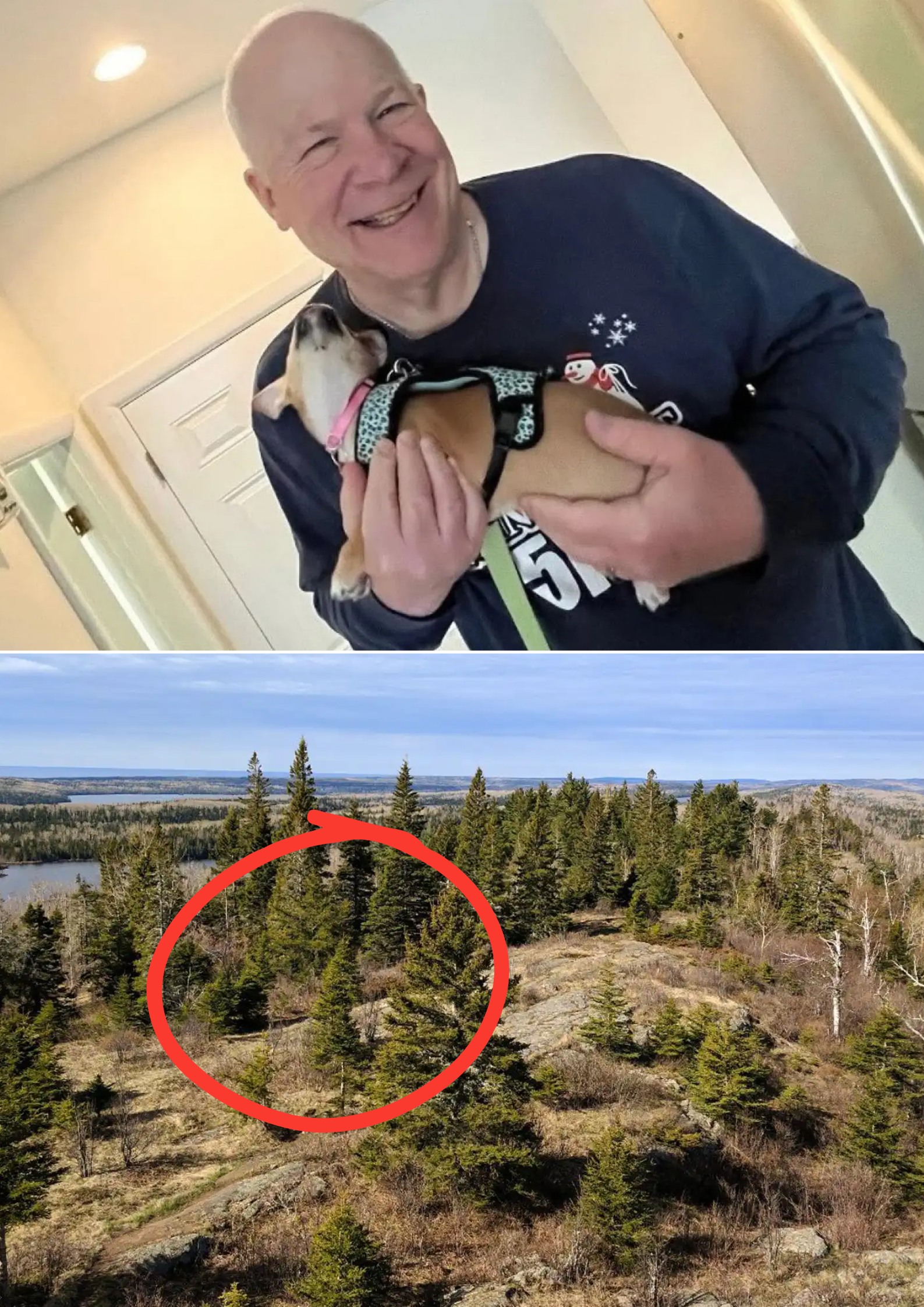
70-YEAR-OLD HIKER SURVIVES 11 DAYS LOST IN THE WILDERNESS AFTER SHOUTING FOR HELP 10,000 TIMES
A 70-year-old Michigan hiker has revealed how he survived 11 days alone in the remote wilderness of Isle Royale National Park, repeatedly shouting for help before two kayakers finally spotted him.
Craig Berg, from Royal Oak, Michigan, disappeared during a solo hiking trip on the remote island in Lake Superior. After losing his cellphone in a swamp, Berg spent more than a week trying to find his way to safety while rationing his food and treating water he found in ponds and wetlands.
He estimates that during those desperate days, he shouted “Help! I’m lost!” around 10,000 times.
:max_bytes(150000):strip_icc():focal(749x0:751x2):format(webp)/craig-berg-1-092226-f9dbf292562446ccb9b4cba0ea3b0339.jpg) HE SET OUT FOR A SOLO ADVENTURE
HE SET OUT FOR A SOLO ADVENTURE
Berg arrived in the area on August 27, 2026, planning a multi-day hiking trip through Isle Royale National Park.
He had spent months preparing for the adventure. He had previously completed a solo hike at Pictured Rocks National Lakeshore and believed the Isle Royale trip would be a similar experience.
He planned to hike across the island and return by ferry in early September.
But several days into the trip, everything changed.
A WRONG TURN LED HIM INTO A SWAMP
On the fourth day of his hike, Berg followed what he described as a poorly marked trail near Chickenbone Lake.
Instead of remaining on the established route, he ended up in a swamp.
The ground was so soft that he compared it to quicksand.
Berg fell into the marsh, soaking his clothing, sleeping equipment and food.
His boots came off, although he was eventually able to retrieve them.
But he lost something far more important — his cellphone.
Without his phone, Berg no longer had access to his digital maps or a reliable way to communicate his location.
He spent hours trying to find his way out of the wetlands before darkness forced him to stop.
That night, he slept outside in a sleeping bag while still wet and cold.
He later recalled shivering so badly that his teeth were chattering.
:max_bytes(150000):strip_icc():focal(753x299:755x301):format(webp)/Isle-Royale-National-Park-081524-1-2c147d4bd5a04a4d8dafd5be2d4796a4.jpg) HE REALIZED HE HAD TO CONSERVE EVERYTHING
HE REALIZED HE HAD TO CONSERVE EVERYTHING
As the days passed, Berg understood that getting out quickly might not be possible.
He began rationing the freeze-dried food he had brought with him.
Eventually, he was eating roughly every other day because his supplies were running low.
His camp-stove fuel also ran out.
Water became his biggest concern.
Berg found ponds and other sources of water and treated what he could with chlorine tablets.
At one point, he drank from a small pond that he knew had been used by moose.
He also created makeshift rock basins to collect rainwater running off his tent.
The water was far from clean, but Berg knew he needed to keep drinking to survive.
HE KEPT A JOURNAL IN CASE HE DIDN’T SURVIVE
During his time in the wilderness, Berg began keeping a written journal.
He recorded his thoughts and what was happening around him, apparently in case rescuers never found him.
He wrote entries under the heading “LOST” and included his full name.
Despite the frightening circumstances, some of his notes showed that he continued to believe he might survive.
He also found ways to keep himself occupied and informed.
Using wires connected to an old MP3 player, Berg improvised a radio antenna and managed to pick up a radio station from Thunder Bay, Ontario.
Hearing another human voice gave him a sense of connection to the outside world.
“HELP! I’M LOST!”
Berg continued trying to attract attention.
According to his own estimate, he shouted “Help! I’m lost!” more than 10,000 times during his ordeal.
But Isle Royale is enormous and rugged, with dense forests, wetlands, rocky shorelines and inland lakes.
Cellphone coverage is limited, and much of the island has no roads or motor vehicles.
That made locating one person in the wilderness extremely difficult.
Meanwhile, Berg’s family became increasingly concerned.
He had been expected to return on a ferry, but he never arrived.
His family reported him missing, triggering a major search operation.
A MASSIVE SEARCH BEGAN
Search teams used a combination of resources to look for Berg.
The operation included:
- Ground search teams
- Search dogs
- Boats
- Aircraft
- Drones
- Michigan State Police personnel
- National Park Service staff
- Other rescue agencies
The search covered the difficult terrain of Isle Royale, where forests, wetlands and lakes made movement and visibility challenging.
For days, there was no sign of Berg.
His family feared the worst.
THEN TWO KAYAKERS HEARD HIM
On the 11th day, Berg heard activity near a nearby lake.
He began shouting again.
This time, someone heard him.
Two men kayaking on Intermediate Lake eventually spotted him.
The kayakers were retired members of the Michigan National Guard, according to reports, and had not been expecting to encounter a missing hiker.
They quickly alerted authorities.
Because of the remote location, rescuers determined that an air evacuation was necessary.
COAST GUARD HELICOPTER RUSHED TO THE SCENE
A U.S. Coast Guard MH-60 Jayhawk helicopter was dispatched to the area.
The crew located Berg and hoisted him from the island.
He was transported to Marquette Regional Airport, where medical personnel took him to a hospital.
When he was found, Berg was described by authorities as alive and alert, although he had suffered injuries and hypothermia.
He was later released from the hospital after medical evaluation.
HIS FAMILY FINALLY GOT THE CALL THEY HAD BEEN WAITING FOR
For Berg’s wife, Debbie, the moment rescuers confirmed that he had been found was overwhelming.
She had spent days fearing that her husband might not survive.
When the National Park Service contacted her, the message was simple:
He was alive.
Berg’s family traveled to the hospital in Marquette after his rescue.
The reunion was emotional after more than a week of uncertainty.
“PHYSICALLY, I’M OKAY”
Although Berg survived, he says the experience continues to affect him emotionally.
He told reporters that he is physically recovering but is still processing what happened.
The ordeal has also changed the way he thinks about future wilderness trips.
Looking back, Berg said he wishes he had carried a backup device that could have helped communicate his location after losing his phone.
For now, his family has encouraged him to stay closer to home.
A SURVIVAL STORY WITH A LUCKY TURN
Berg’s survival ultimately came down to a combination of preparation, persistence and an unexpected encounter.
He had enough food and equipment to remain alive, treated whatever water he could find, conserved his energy and continued signaling for help.
But after 11 days alone, it was the chance appearance of two kayakers that finally ended the ordeal.
The kayakers were not part of the search team.
They simply happened to be traveling across the lake when they heard a voice coming from the wilderness.
After days of shouting into the empty landscape, Berg finally heard someone answer.
He had been found.