George Floyd’s Relatives Demand Full Accounting of Nearly $19 Million Memorial Fund
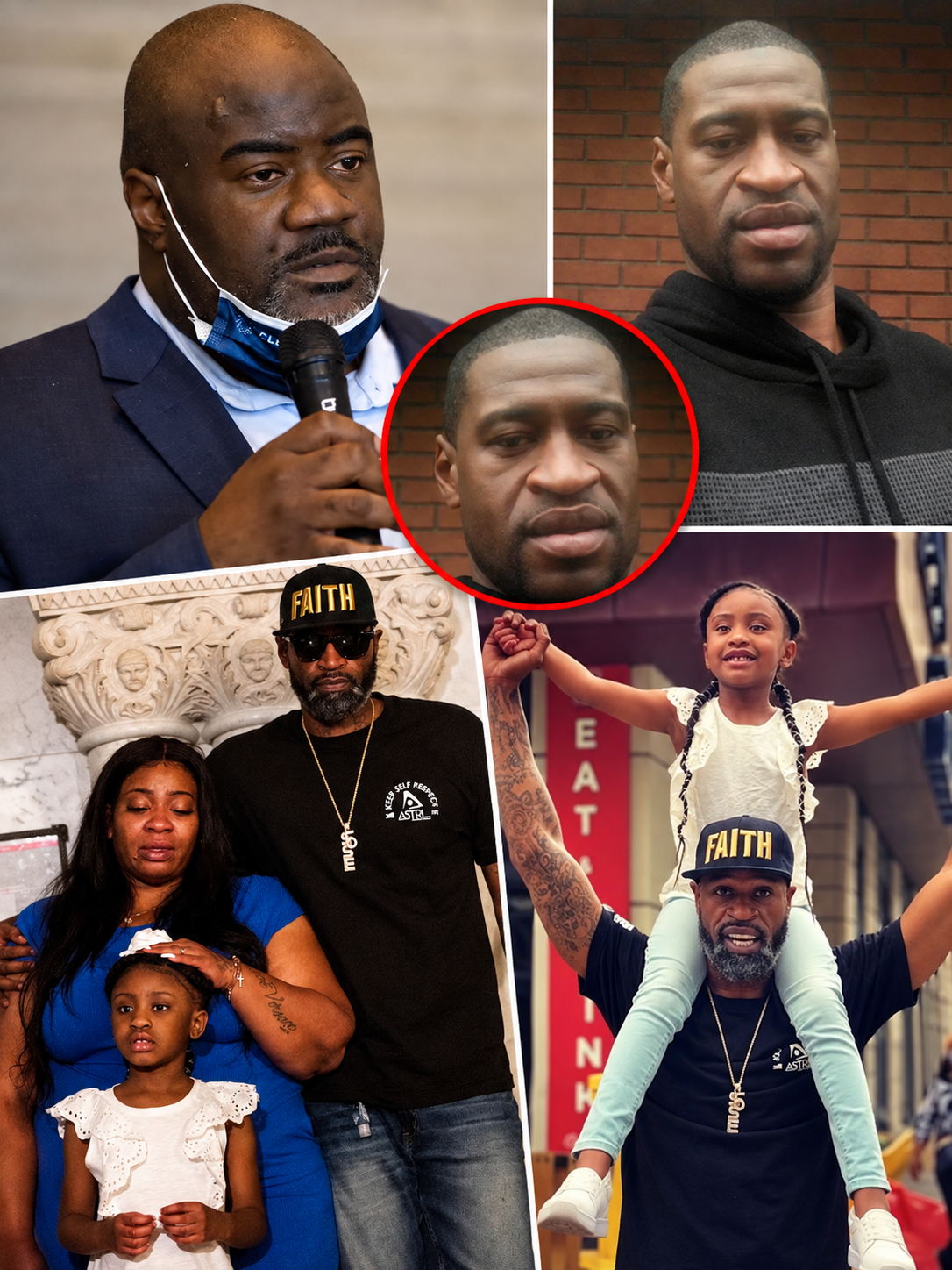
More than six years after George Floyd’s death, a new dispute has emerged within his family over one of the most visible fundraising campaigns created in his name.
Three of Floyd’s siblings are demanding a full financial accounting of the George Floyd Memorial GoFundMe, which they say collected roughly $19 million. Their request is directed at another brother, Philonise Floyd, who organized the fundraiser after George’s death and previously explained that the money would help cover a range of family expenses and support George’s children.
The demand was made in an August 11 letter sent by a Houston-based attorney representing Floyd’s sisters, Zsazsa and LaTonya, and his brother, Rodney Floyd.
The three relatives say they consider themselves George Floyd’s heirs and believe they are entitled to a portion of the funds. They also say they have not received what they consider a fair share and want detailed records showing exactly how the money was managed and distributed.
Family Seeks Complete Financial Records
The letter asks Philonise to provide extensive documentation connected to the fundraiser.
Among the records requested are GoFundMe reports, account statements, transaction histories, tax documents and other financial materials tied to the campaign.
The relatives are not merely asking for a summary of the money raised or a general explanation of expenses. They want a complete accounting that would allow them to trace how funds moved after hundreds of thousands of people donated.
According to the letter, Philonise was given 20 days from the time he received it to turn over the requested documents.
The family’s attorney indicated that she hoped the dispute could be resolved without escalating the matter further.
But the letter also suggests that the request did not come out of nowhere.
Zsazsa, LaTonya and Rodney say they had already made repeated efforts to obtain records and explanations about the handling of the fundraiser.
They claim those efforts did not result in the documentation they were seeking.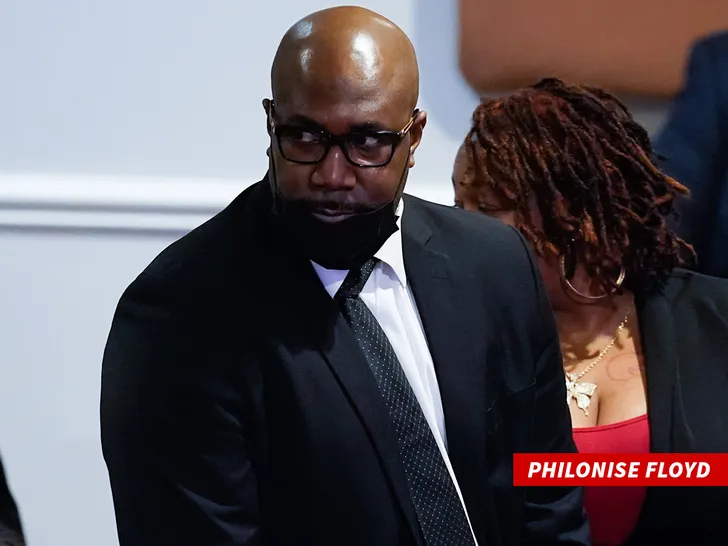
Rodney Floyd Says the Family Wants Transparency
Rodney Floyd described the request as an effort to understand what happened to the money and how decisions were made after the campaign became one of the largest fundraisers of its kind.
He said the family wants to examine the records and have its questions answered, adding that transparency is the reason they are speaking publicly.
That focus on transparency is central to the dispute.
The relatives are not only questioning the amount each person received. They are also asking for a clearer picture of the financial decision-making behind a campaign that attracted donations from around the world.
They say they contacted attorney Ben Crump seeking answers as well but did not receive a response.
The situation has now transformed what was originally created as a public show of support for Floyd’s family into a private financial disagreement that has spilled into public view.
The Fundraiser Grew at Extraordinary Speed
The George Floyd Memorial GoFundMe became a major fundraising phenomenon shortly after it was launched.
Within a little more than a week, it had collected nearly $13 million from almost 500,000 individual donations.
At the time, that level of participation set a record for the crowdfunding platform.
The campaign continued growing, eventually reaching approximately $19 million, according to the August letter from Floyd’s relatives.
The extraordinary scale of the fundraiser reflected the enormous international attention surrounding Floyd’s death and the response that followed.
For donors, the campaign offered a direct way to support his family during an intensely public and painful period.
But the larger the fund became, the more significant the questions surrounding its management and distribution became for the relatives now seeking records.
Philonise Had Explained How the Money Would Be Used
When the fundraiser was active, Philonise described several intended uses for the donations.
He said the money would help cover funeral and burial expenses.
Funds were also expected to assist with counseling, travel related to court proceedings and other needs faced by the family.
Another portion, Philonise said, would go to George Floyd’s estate to support his children and help pay for their education.
Those stated purposes offered donors a general understanding of where their contributions were expected to go.
The current dispute centers on what happened after the money was raised.
Zsazsa, LaTonya and Rodney now want documents showing how those plans were carried out in practice, how much was distributed, where it went and what financial decisions were made along the way.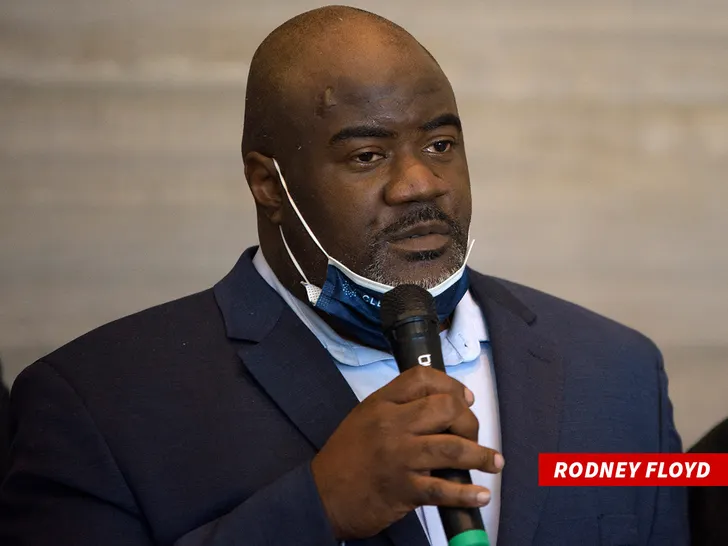
A Family Dispute Over Money Raised in George Floyd’s Name
The conflict is especially sensitive because the money was raised during one of the most difficult periods the Floyd family had ever faced.
The fundraiser was built around George’s name and the needs of those he left behind.
Now, some of his closest relatives say they do not have enough information about what ultimately happened to the millions collected.
Their position is straightforward: they believe they are entitled to see the records.
The letter does not simply ask Philonise to explain the process verbally. It seeks a paper trail that includes financial statements, transaction records and tax filings.
That distinction matters because it suggests the relatives want independently reviewable documentation rather than assurances.
They also maintain that they have already tried to obtain those answers privately.
The Dispute Could Depend on What the Records Show
At the center of the disagreement is a basic but potentially complicated question: how was approximately $19 million divided, spent or preserved after the fundraiser closed?
The relatives seeking records say they have not received enough information to answer that.
They also contend that, as George Floyd’s heirs, they should have received a fair portion of the campaign proceeds.
The available information does not establish how much each family member received, what remains of the fund or whether all of the money was distributed according to the purposes originally described.
Those are precisely the issues Zsazsa, LaTonya and Rodney say they want clarified through the requested documentation.
The demand for records could potentially resolve some of those questions if the financial materials are produced.
For now, however, the dispute remains centered on access to information rather than a public accounting of the fund itself.
A Fund Once Defined by Public Support Now Faces Private Questions
The George Floyd Memorial GoFundMe began as an extraordinary demonstration of financial support.
Hundreds of thousands of people contributed in a matter of days, helping push the campaign into record-setting territory.
Philonise publicly described the fundraiser as a resource for funeral costs, counseling, legal travel, family needs and support for George’s children.
Years later, three other members of the Floyd family say they still want to understand exactly how those millions were handled.
Their August 11 letter marks the clearest formal effort so far to obtain that information.
For Rodney, Zsazsa and LaTonya, the issue is no longer simply how much money was raised.
It is who received it, how the decisions were made and whether the family has been given a complete picture of what happened to a fund created in their brother’s name.
Until the requested records are produced or the dispute is otherwise resolved, those questions remain unanswered.