LUCY LETBY: THE LATEST DEVELOPMENTS AFTER THE THIRLWALL INQUIRY
LUCY LETBY: THE LATEST DEVELOPMENTS AFTER THE THIRLWALL INQUIRY
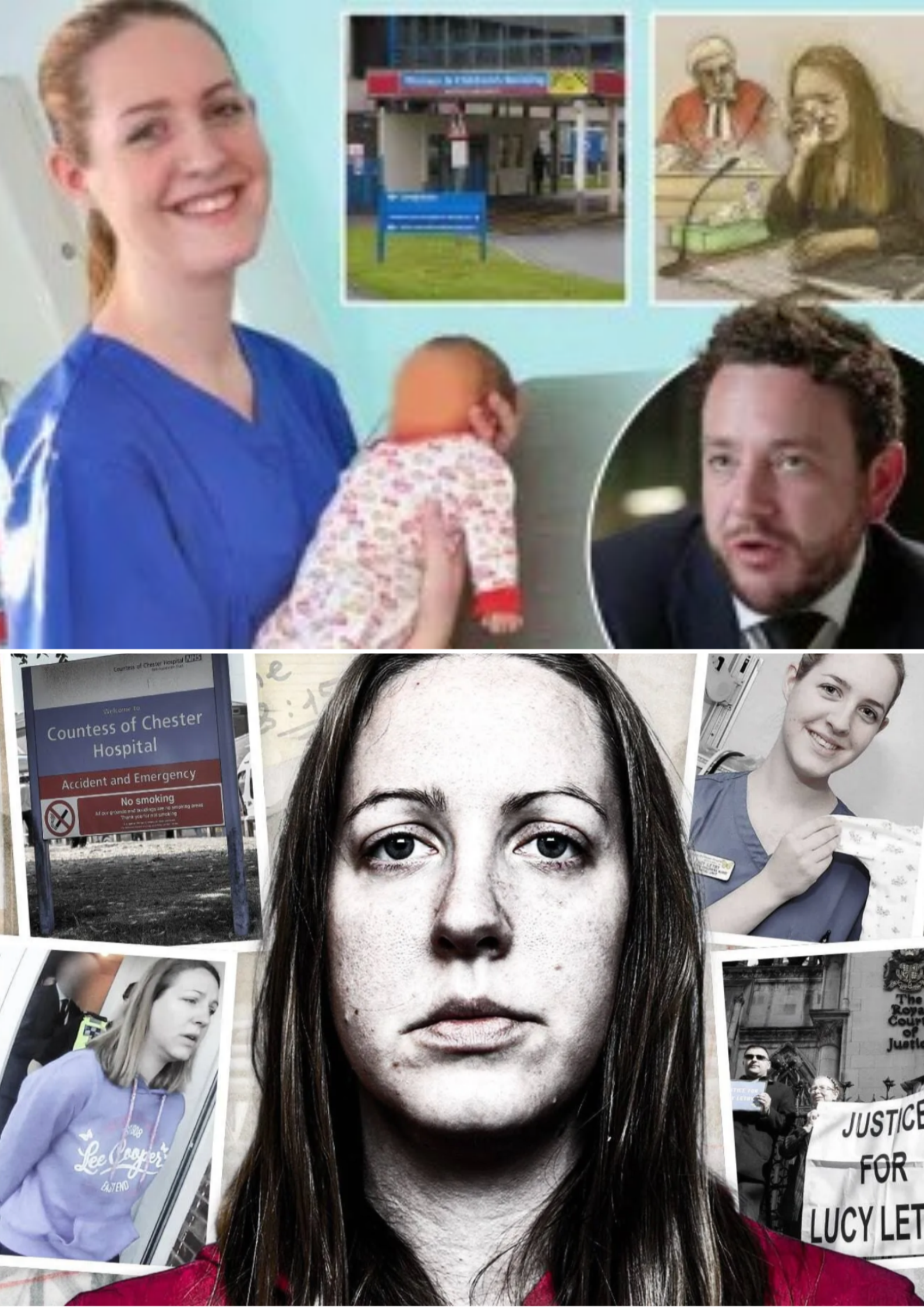
LUCY LETBY remains in prison serving 15 whole-life sentences after being convicted of murdering seven babies and attempting to murder seven others at the Countess of Chester Hospital — but her case remains the subject of an ongoing legal challenge in 2026.
The former neonatal nurse was convicted following two trials at Manchester Crown Court over incidents involving babies in the hospital’s neonatal unit between June 2015 and June 2016.
Letby has consistently maintained that she is innocent.
The latest major development came in September 2026, when the long-awaited Thirlwall Inquiry published its final report examining how Letby was able to harm babies, how hospital management responded to concerns, and why warning signs were not acted upon sooner.
 THE THIRLWALL INQUIRY’S DAMNING FINDINGS
The inquiry, led by Lady Justice Kathryn Thirlwall, was established after Letby’s convictions to examine what happened at the Countess of Chester Hospital and whether opportunities were missed to protect babies.
Its report was published on September 15, 2026, after a three-year process.
Lady Justice Thirlwall said the hospital suffered from dysfunctional management and governance, a serious disconnect between senior leadership and clinicians, and a failure to understand basic safeguarding responsibilities.
She said errors were made by nurses, doctors and managers.
Most significantly, the inquiry concluded that there had been a failure at every level to invoke safeguarding procedures once concerns arose that Letby could be deliberately harming babies.
The inquiry found that some deaths and attempted killings could have been prevented had hospital leaders acted sooner.
PARENTS WERE KEPT IN THE DARK
Another major finding concerned the way the hospital dealt with parents.
According to the inquiry, hospital executives did not properly inform parents about growing concerns surrounding Letby.
The hospital conducted internal reviews while families remained unaware of the suspicions surrounding their children’s deaths and collapses.
The inquiry also criticised the handling of confidential medical records, finding that babies’ medical files were provided to outside experts without parents’ knowledge or consent.
The report therefore examined not only the deaths and collapses themselves, but also the institutional response and the treatment of families who were trying to understand what had happened to their children.
 LETBY’S CONVICTIONS
Letby was convicted in 2023 of murdering seven babies and attempting to murder six others.
She was later convicted during a retrial of an additional attempted murder charge involving another baby.
That left her serving 15 whole-life orders.
Prosecutors alleged that Letby deliberately harmed babies using several methods, including injecting air, administering insulin and interfering with their feeding.
The convictions made her one of Britain’s most notorious convicted child killers.
However, Letby continues to deny the offences, and her legal team is seeking to have her convictions reconsidered.
HER DEFENCE IS STILL FIGHTING
The Criminal Cases Review Commission, or CCRC, has been examining material submitted on Letby’s behalf in an effort to determine whether the case should be sent back to the Court of Appeal.
In September 2026, two scientific experts who had previously produced evidence questioning aspects of the prosecution’s insulin-poisoning case withdrew from Letby’s defence team.
Chemical engineering expert Helen Shannon and bioengineering professor Geoff Chase said they continued to stand by their assessment concerning two insulin cases, but could not support other arguments being advanced by the defence.
They said some of those arguments were inconsistent with available evidence, science and established physiology.
Letby’s barrister, Mark McDonald, disputed the significance of their departure and said the defence had evidence from other international specialists challenging the scientific basis of the prosecution case.
The CCRC has not publicly commented on its ongoing review.
THE INQUIRY DID NOT DECIDE WHETHER LETBY IS INNOCENT
An important distinction remains.
The Thirlwall Inquiry was not an appeal and did not determine whether Letby’s criminal convictions were correct.
It proceeded on the basis of the convictions and examined the circumstances surrounding events at the hospital, including management, safeguarding, clinical response and the treatment of families.
Lady Justice Thirlwall specifically stressed that the inquiry was not deciding Letby’s guilt or innocence.
That means the report does not overturn, confirm or replace the criminal court judgments.
The legal question of whether Letby’s convictions should be reconsidered remains separate.
POLICE INVESTIGATION INTO THE HOSPITAL CONTINUES
There is also a separate criminal investigation into the hospital’s management.
Cheshire Constabulary launched Operation Hummingbird—later known as Operation Duet—after Letby’s conviction to investigate possible corporate manslaughter connected with the hospital’s response to the increased number of baby deaths.
The investigation was expanded in 2025 to include possible gross negligence manslaughter.
Three people who were members of the hospital’s senior leadership team during 2015–2016 were arrested in June 2025 on suspicion of gross negligence manslaughter. They were released on bail and remained on bail as of the police’s September 2026 statement.
In April 2026, police also arrested an individual on suspicion of perverting the course of justice following a search warrant.
Cheshire Police said both the corporate-manslaughter and gross-negligence-manslaughter investigations remain ongoing, with no fixed timetable for completion.
NO FURTHER CHARGES AGAINST LETBY
Another significant 2026 development came in August.
The Crown Prosecution Service confirmed that an independent review had upheld the decision not to bring additional criminal charges against Letby concerning six other babies.
The CPS said the review reconsidered six potential attempted-murder offences after requests were made under the Victims’ Right to Review scheme.
The original decision not to prosecute was upheld.
This means that, for now, Letby’s existing convictions remain the basis of her sentence.
WHAT HAPPENS NEXT?
The focus now turns toward the legal review of Letby’s convictions and the continuing police investigation into the hospital.
Her defence is attempting to persuade the CCRC that new evidence warrants another examination of the case.
The CCRC, however, has not announced that Letby’s convictions have been overturned or that a new trial has been ordered.
Meanwhile, the Thirlwall Inquiry has called for wide-ranging reforms across the NHS, including changes involving safeguarding, medical examiners, CCTV and monitoring, insulin testing, management training, data analysis and patient safety.
For the families of the babies involved, the inquiry has provided a detailed account of institutional failures at the hospital, while the separate criminal and legal processes surrounding Letby’s convictions continue.
As of September 2026, Lucy Letby remains in prison serving 15 whole-life sentences. Her convictions have not been overturned, while her legal team continues to pursue avenues for further review.