JON VENABLES TO FACE PRIVATE PAROLE HEARING DESPITE PLEA FROM JAMES BULGER’S FAMILY
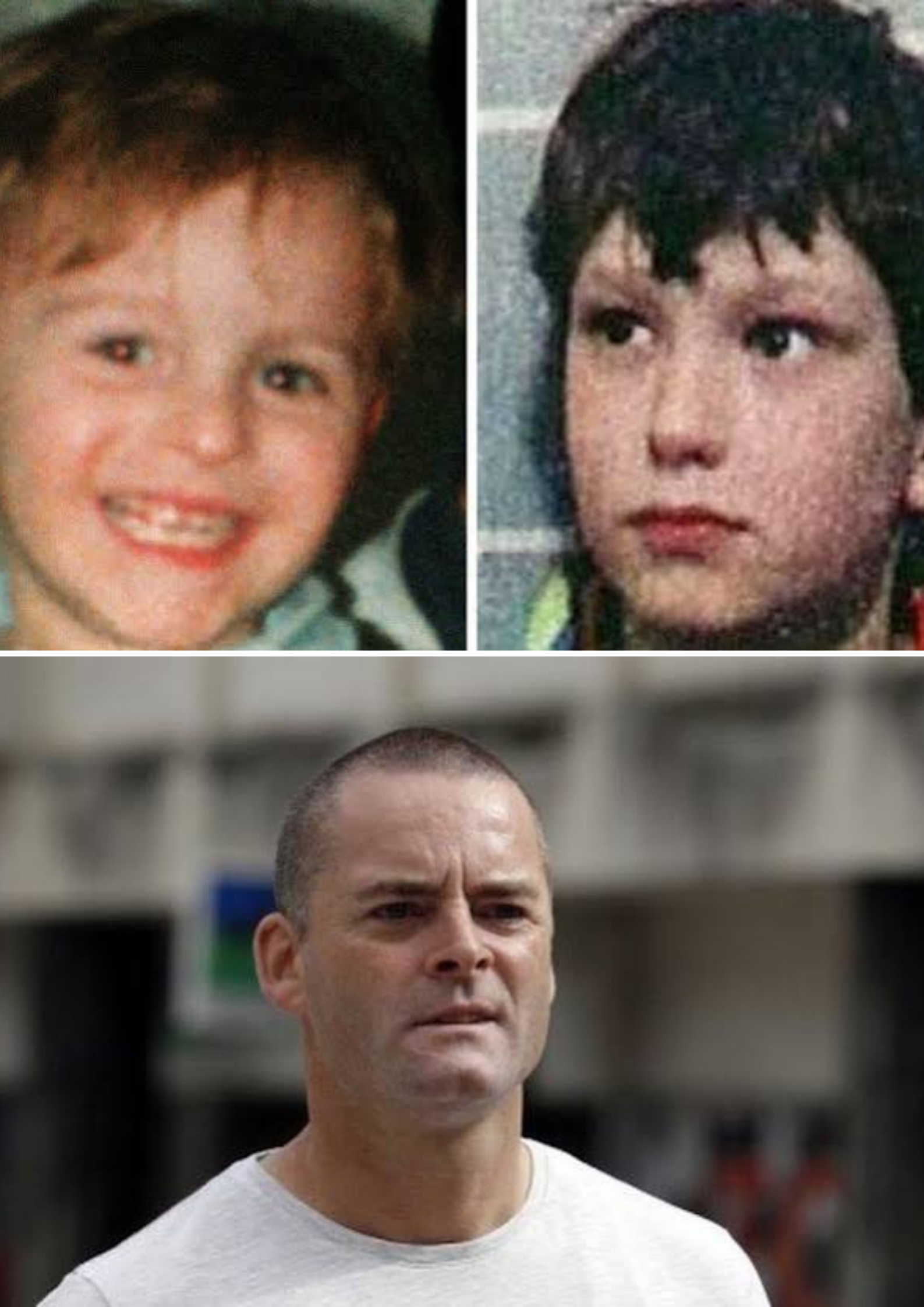
JON VENABLES TO FACE PRIVATE PAROLE HEARING DESPITE PLEA FROM JAMES BULGER’S FAMILY
LONDON — Jon Venables, one of the two men convicted of killing two-year-old James Bulger in one of Britain’s most notorious child murder cases, will have his latest parole hearing held in private, despite a request from James’s mother for the proceedings to be opened to the public.
The decision was announced by the Parole Board on September 28, 2026, after applications were submitted by James Bulger’s family and several media organizations seeking a public hearing.
Venables, now 44, is expected to have his case considered at an oral parole hearing more than two years after his previous bid for release was rejected.
The Parole Board confirmed that the application to make the hearing public had been refused.
 WHY THE HEARING WILL REMAIN PRIVATE
Parole hearings in England and Wales are normally held in private, although the law allows a hearing to be opened to the public when the Parole Board considers that doing so would be in the interests of justice.
In this case, the Board concluded that the threshold for a public hearing had not been met.
John Saunders, acting on behalf of the Parole Board Chair, said a public hearing could make it extremely difficult for Venables to give evidence because he could potentially be listened to by people seeking information that could put his life at risk.
The Board therefore decided that the hearing should remain private.
The decision does not mean that the hearing will take place without any involvement from James Bulger’s family.
Under recent reforms, victims can attend private parole hearings in certain circumstances, and representatives for James’s family have been granted permission to observe the proceedings.
However, Venables continues to be protected by a lifelong anonymity order, meaning his current identity and whereabouts cannot legally be disclosed.
 JAMES BULGER’S FAMILY WANTED THE HEARING OPEN
James’s mother, Denise Fergus, had asked the Parole Board to allow the public to observe the hearing.
In her application, Fergus argued that a public hearing could help address what she described as continuing misinformation surrounding the case.
She also said that the ongoing public discussion and misinformation had a retraumatizing effect on her.
The application argued that greater transparency could help the public understand how parole decisions are made and how risk is assessed in cases involving serious crimes.
James’s father, Ralph Bulger, also supported an application seeking a public hearing.
The applications from the family argued that the case has exceptional public interest because of the original murder, Venables’ later offending, previous recalls to prison and the complex issues surrounding his anonymity and potential release.
The family also argued that sensitive evidence could be handled through private sessions while allowing other parts of the hearing to be observed.
The Parole Board ultimately rejected the request.
THE 1993 MURDER OF JAMES BULGER
Venables and Robert Thompson were both 10 years old when they abducted two-year-old James Bulger from a shopping center in Bootle, Merseyside, in February 1993.
James was subsequently killed.
The case shocked Britain and attracted international attention because of the ages of both the victim and the two children responsible.
Venables and Thompson were convicted of murder later that year.
Because they were children at the time of the crime, they were initially given new identities and have remained subject to strict anonymity protections.
Thompson and Venables were eventually released under licence as young adults.
VENABLES HAS TWICE BEEN RECALLED TO PRISON
Venables’ subsequent history became a major factor in later parole proceedings.
He was first released on licence in July 2001.
In 2010, he was recalled to prison after authorities discovered indecent images of children on his computer.
He was released again in 2013.
Venables was then recalled to prison for a second time in 2017 after another offense involving indecent images of children.
His later parole review became the subject of intense public attention.
In 2023, the Parole Board rejected his application for release, concluding that he still presented a risk of further offending, including a risk involving children.
WHAT HAPPENS NEXT?
The latest hearing will determine whether Venables can be released from custody under licence or should remain in prison.
The decision will be made by the Parole Board after considering evidence about his current risk and whether appropriate safeguards could manage that risk in the community.
The hearing itself will not be open to the general public.
The decision to keep the proceedings private has renewed attention on the difficult balance between victims’ rights, public transparency, offender anonymity and public protection in high-profile parole cases.
For Denise Fergus, the issue is also deeply personal.
More than three decades after her two-year-old son was murdered, she continues to follow the parole process surrounding one of the people convicted of his killing.
The Parole Board’s latest decision means that the next stage of that process will once again take place largely behind closed doors.