LUCY LETBY CASE: NEW EXPERT CHALLENGES AND HOSPITAL RECORDS RAISE FRESH QUESTIONS
LUCY LETBY CASE: NEW EXPERT CHALLENGES AND HOSPITAL RECORDS RAISE FRESH QUESTIONS
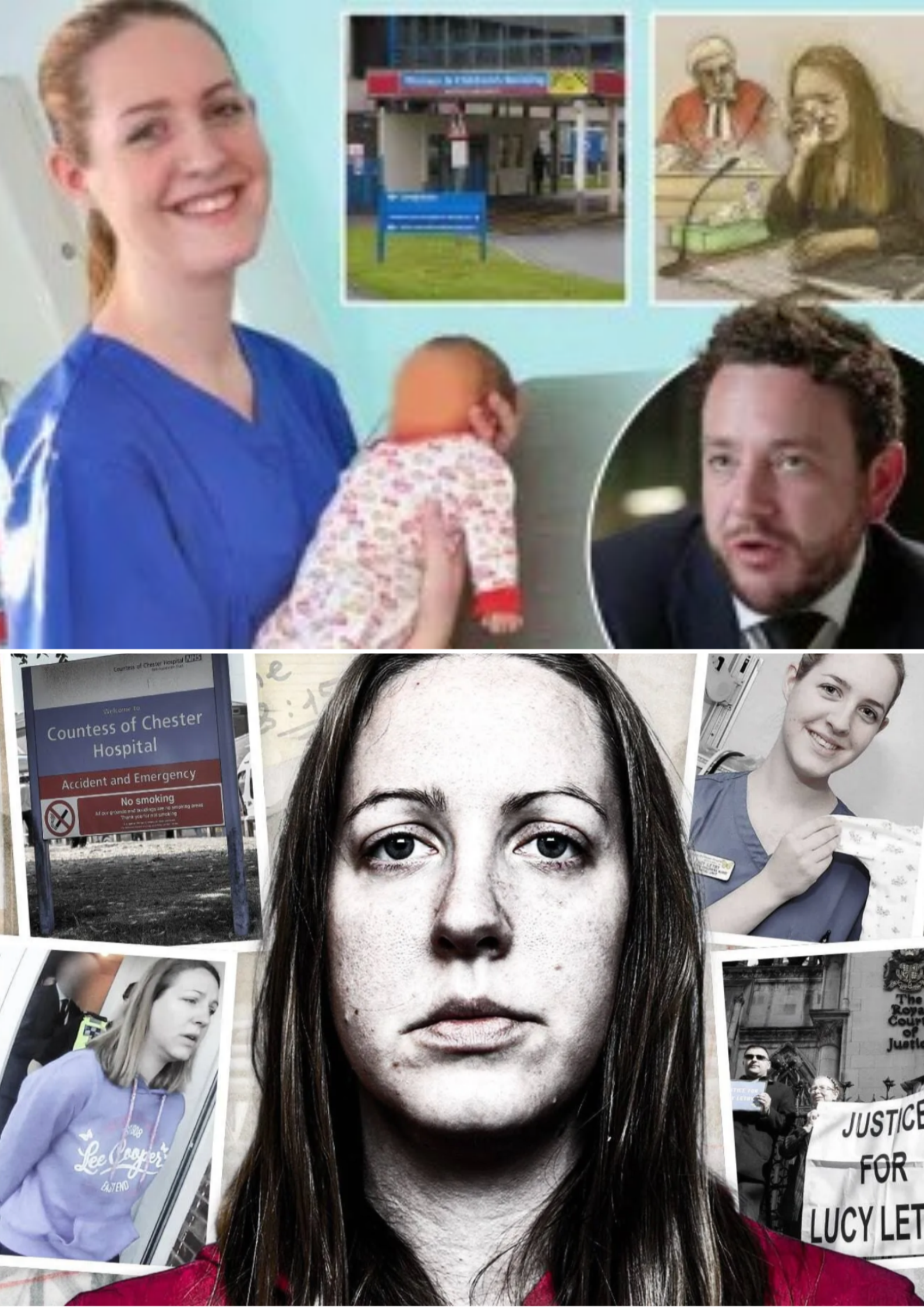
Fresh questions are being raised over the evidence used to convict former neonatal nurse Lucy Letby, as international medical experts and newly reported hospital records have intensified scrutiny of one of Britain’s most closely watched criminal cases.
Letby was convicted of murdering seven babies and attempting to murder seven others at the Countess of Chester Hospital between 2015 and 2016. She is currently serving 15 whole-life orders. Her convictions remain in place.
However, her legal team has been pursuing a potential further challenge, with the Criminal Cases Review Commission (CCRC) examining a dossier of material submitted on her behalf.
INTERNATIONAL EXPERTS CHALLENGE PARTS OF THE MEDICAL CASE
A panel of international medical experts assembled by Canadian neonatologist Dr Shoo Lee has disputed important parts of the medical evidence presented during Letby’s trials.
The experts questioned the prosecution’s interpretation of several baby collapses and deaths, including the claim that some babies were deliberately harmed through air embolism.
Dr Lee has argued that his earlier medical research was used incorrectly in support of the prosecution’s theory. Other experts have also raised concerns about how certain clinical signs were interpreted.
The findings do not themselves overturn Letby’s convictions. Any decision to refer the case back to the Court of Appeal would have to come through the established legal process.
 TWO EXPERTS HAVE NOW WITHDRAWN FROM HER DEFENCE TEAM
The latest development has also complicated the picture.
Helen Shannon, a chemical engineering expert, and Geoff Chase, a professor of bioengineering, recently withdrew from Letby’s defence team.
The pair said they continued to stand by their assessment that it was highly unlikely two babies had been deliberately poisoned with insulin. But they said they could not support some other arguments being advanced by the defence, describing them as inconsistent with available evidence, science and established physiology.
Letby’s barrister Mark McDonald, however, said other international specialists had produced evidence that he believes undermines the scientific basis of the insulin allegations.
The disagreement illustrates the increasingly complex scientific debate surrounding the case.
MATERNITY RECORDS ALSO COME UNDER SCRUTINY
Another major issue emerged in July when the BBC reported that maternity notes relating to babies in the case had been seized by Cheshire Police but were not reviewed by the prosecution’s chief medical expert or disclosed to Letby’s defence before trial.
The records contained information about the mothers’ pregnancies, labour and deliveries — details that some medical experts said could be important when assessing why a premature or seriously ill baby deteriorated.
Prosecution expert Dr Dewi Evans said he had not seen the full obstetric notes and did not consider maternity care to be a significant issue in the cases.
The revelation has nevertheless become another point of contention for those questioning the safety of the convictions.
 WHAT ABOUT THE CLAIM OF A “BURIED” STATISTICAL ERROR?
Claims circulating online have suggested that a crucial statistical mistake was deliberately hidden from the jury.
That allegation should be treated cautiously.
There have been longstanding disputes over how statistics and Letby’s presence on the neonatal unit were interpreted during the investigation and trial. Statisticians have criticised aspects of the prosecution’s statistical reasoning, while police and prosecutors have defended the integrity of the investigation and convictions.
There is not, however, reliable evidence establishing that the Crown Prosecution Service deliberately concealed a statistical error from the jury.
Similarly, claims that the CPS is currently “desperately trying to keep” a whistleblower document secret have not been established by the reliable sources reviewed for this report.
THE PUBLIC INQUIRY FOUND SERIOUS HOSPITAL FAILURES
Separate from the question of Letby’s criminal responsibility, the Thirlwall Inquiry published its long-awaited report on September 15, 2026.
The inquiry examined events and institutional failures at the Countess of Chester Hospital between 2015 and 2018. Its remit was focused on how the hospital responded to concerns and the wider systems surrounding patient safety and governance, rather than acting as an appeal court for Letby’s convictions.
The report has added another layer to the debate because it examined how concerns about the neonatal unit were handled before Letby was eventually removed from clinical duties.
Meanwhile, the CPS confirmed in August that a separate review of six further suspected attempted-murder offences had upheld its earlier decision not to bring additional charges against Letby.
LETBY’S CONVICTIONS HAVE NOT BEEN OVERTURNED
For now, the central legal position remains unchanged.
Lucy Letby remains convicted of seven murders and seven attempted murders and continues to serve 15 whole-life orders.
The CCRC is considering material submitted on her behalf, while competing medical experts continue to disagree over parts of the evidence.
The latest developments therefore do not establish that Letby was wrongly convicted — but they do explain why scrutiny of the evidence has intensified.
For the families of the babies involved, the continuing dispute represents another painful chapter in a case that has already lasted for years.
The ultimate question of whether any conviction should be revisited remains a matter for the legal review process and, if a case is referred, the courts.