HEARTBREAKING: BABY KYRA DIED AFTER SEPSIS WARNING SIGNS WERE MISSED — HOSPITAL ADMITS “MISSED OPPORTUNITIES”
HEARTBREAKING: BABY KYRA DIED AFTER SEPSIS WARNING SIGNS WERE MISSED — HOSPITAL ADMITS “MISSED OPPORTUNITIES”
A four-month-old baby girl died from sepsis after concerns about her rapidly deteriorating condition were not given sufficient weight, with her hospital trust later admitting that there had been missed opportunities to recognise and treat the signs of a leaking bowel.
Kyra Ali Aslam, known affectionately to her family as “Dolly Bleu,” died at Sheffield Children’s Hospital on August 13, 2022, two days after undergoing surgery to reverse a stoma.
Her mother, Lariece Greaves, had raised concerns shortly after the operation because Kyra was not behaving as she normally would.
But according to the findings of an inquest, insufficient weight was placed on both her mother’s observations and concerns raised by nursing staff as Kyra’s condition deteriorated.
 KYRA’S CONDITION DETERIORATED AFTER SURGERY
Kyra had been born in March 2022 and had previously undergone surgery that resulted in her having a stoma.
On August 11, 2022, she was admitted to Sheffield Children’s Hospital for a planned procedure to reverse the stoma.
The coroner later found that Kyra’s parents had not been given adequate information about the risks associated with the procedure as part of the consent process.
After the surgery, Lariece noticed that something was different.
She told medical staff that her daughter was not behaving as she had before the operation.
The coroner found that insufficient weight had been placed on those concerns. At the time, however, the medical explanations given for Kyra’s condition — including the effects of pain, anaesthesia and surgery — were considered to fall within a range of reasonable medical opinions.
The situation became more concerning just after midnight on August 12.
Kyra began vomiting, while nurses became increasingly worried about her condition.
Nursing staff raised concerns that she could have sepsis, and Kyra was given antibiotics and intravenous fluids.
However, doctors believed the more likely explanation was that her bowel was not functioning properly after surgery.
A leaking bowel was considered a rare complication and was therefore not high on the list of possible diagnoses being considered at the time.
 NURSES CONTINUED TO RAISE CONCERNS
The coroner’s investigation found that Kyra’s nurses had significant concerns about her deterioration and raised those concerns with medical staff as frequently as they felt able to.
The coroner specifically concluded that insufficient weight had been placed on the nursing concerns.
The report said nursing staff were in a strong position to identify the overall picture of Kyra’s condition because of the amount of time they spent caring for her.
However, the medical team placed greater weight on their own observations and on the absence of what they expected to see in a patient suffering from a bowel leak or peritonitis.
The coroner found that the doctors’ working diagnosis was within the range of possible reasonable diagnoses based on the information available at the time.
But that diagnosis turned out to be wrong, and Kyra’s condition continued to deteriorate.
A SECOND SURGERY CAME TOO LATE
By August 13, doctors recognised that Kyra required further surgery to investigate and repair the problem.
But by then, she was too unstable.
Kyra was taken to the operating theatre, where doctors attempted to address the leaking bowel.
She died at approximately 3:40 p.m. on August 13, shortly after arriving in theatre.
The inquest concluded that her medical cause of death was faecal peritonitis, bowel infarction and sepsis, resulting from a leaking bowel connection following closure of her colostomy.
CORONER WARNED OF LESSONS THAT NEEDED TO BE LEARNED
Following the inquest, Assistant Coroner Abigail Combes issued a Prevention of Future Deaths report in December 2023.
The report raised concerns about whether there was a culture that could prevent medical staff from sufficiently taking account of the views of parents or nurses when assessing a child’s overall condition.
The coroner also questioned whether junior doctors who were overruled by consultants were receiving enough explanation and learning from those decisions.
The report was formally sent to Sheffield Children’s Hospital.
In its response, Sheffield Children’s NHS Foundation Trust said it took the findings seriously.
The trust said it had introduced processes intended to ensure concerns raised by families and staff were more visible within clinical teams. It also described a weekly “Safety Wednesday” process involving senior clinical leaders to review incidents and complaints and escalate concerns where necessary.
HOSPITAL TRUST ADMITS FAILINGS
Kyra’s family later instructed specialist medical negligence lawyers from Irwin Mitchell to investigate her care.
In the subsequent civil case, Sheffield Children’s NHS Foundation Trust admitted that it had failed to recognise and act upon suspected signs of sepsis and that there had been missed opportunities to recognise and treat the suspected leaking bowel.
The trust also admitted that, on the balance of probabilities, if Kyra had received appropriate care, her condition would have remained stable enough for surgery to repair the leaking bowel to be successful and she would not have died.
The trust apologised to Kyra’s family.
Dr Jeff Perring, executive medical director at Sheffield Children’s NHS Foundation Trust, said the organisation was sorry for Kyra’s death and recognised the profound impact it had had on her family.
The trust said it had since worked on improving sepsis awareness, clinical guidance, training and education, and had appointed its first Sepsis Lead Nurse.
“SHE BROUGHT SO MUCH LOVE AND HAPPINESS INTO OUR LIVES”
For Lariece, however, no apology can bring her daughter back.
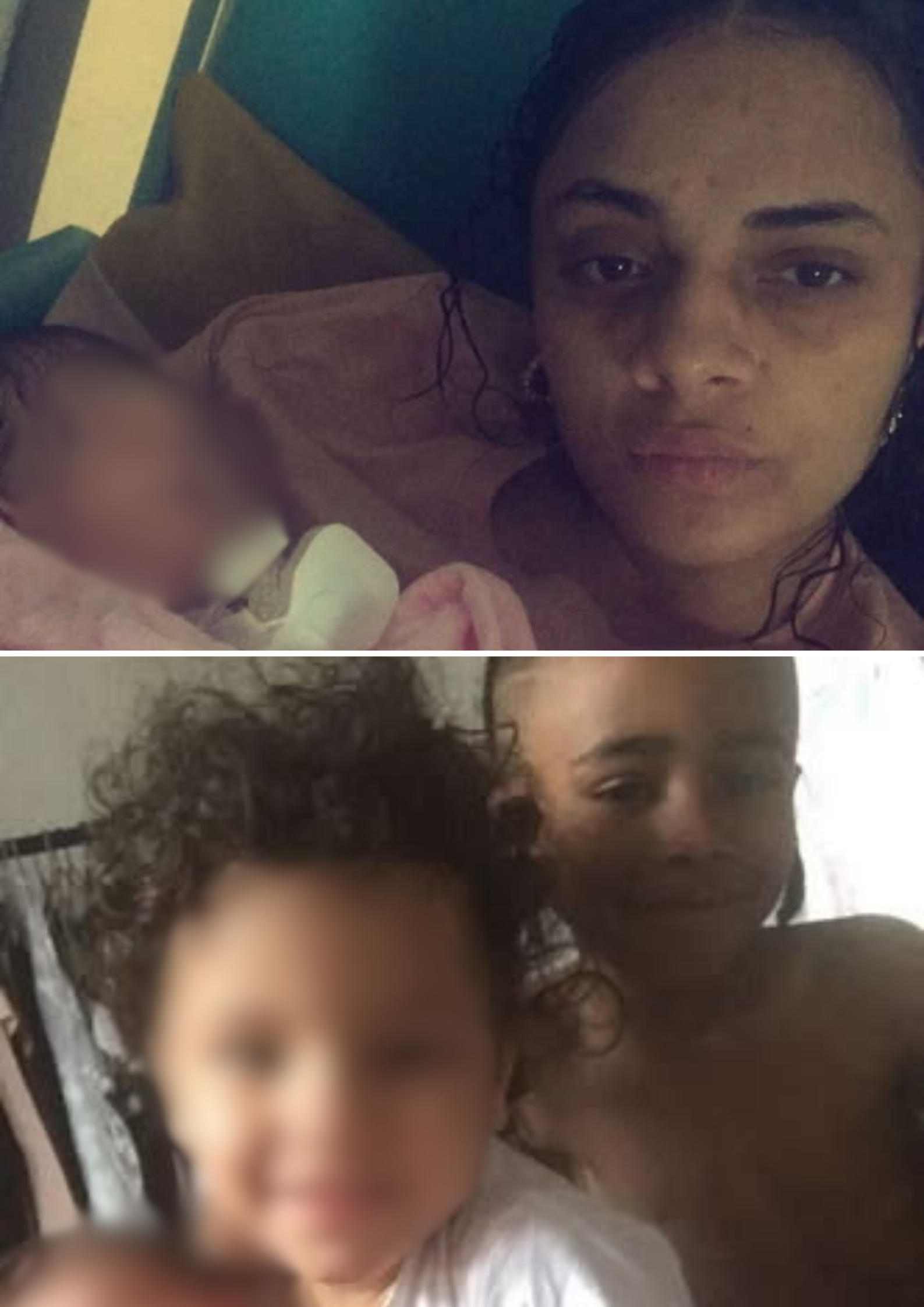
Describing Kyra, she said her little girl was “the most beautiful little girl with the biggest smile.”
She said Kyra had brought enormous love and happiness into the family and that she felt lucky to have been her mother, despite their time together being cut tragically short.
“Not a day goes by when I don’t think about her,” Lariece said.
She said her family had been left trying to live with the loss while also seeking answers about whether more could have been done to save their daughter.
“I owed it to Kyra to keep asking questions and fighting for answers,” she said.
The trust’s admission of failings, she added, was “bittersweet.”
It provided some of the answers her daughter deserved, but it could never change the fact that Lariece would not see Kyra grow up or celebrate the milestones she should have experienced.
A MOTHER’S WARNING TO OTHER FAMILIES
Lariece is now speaking publicly about Kyra’s story in the hope that greater awareness of sepsis can help other families recognise when a child may be seriously unwell.
She said she hoped that sharing what happened to Kyra would encourage people to learn about the warning signs of sepsis and seek help when something does not seem right.
“If greater awareness helps another family avoid going through what we’ve experienced,” she said, “then Kyra’s death might not have been totally in vain.”
Kyra was only four months old.
Her life lasted just a few months, but her family says she left behind a lifetime of love, memories and a smile they will never forget.
Rest peacefully, little Kyra. 🕊️