JON VENABLES FACES NEW PAROLE HEARING AS JAMES BULGER’S MOTHER’S FIGHT FOR TRANSPARENCY IS REJECTED
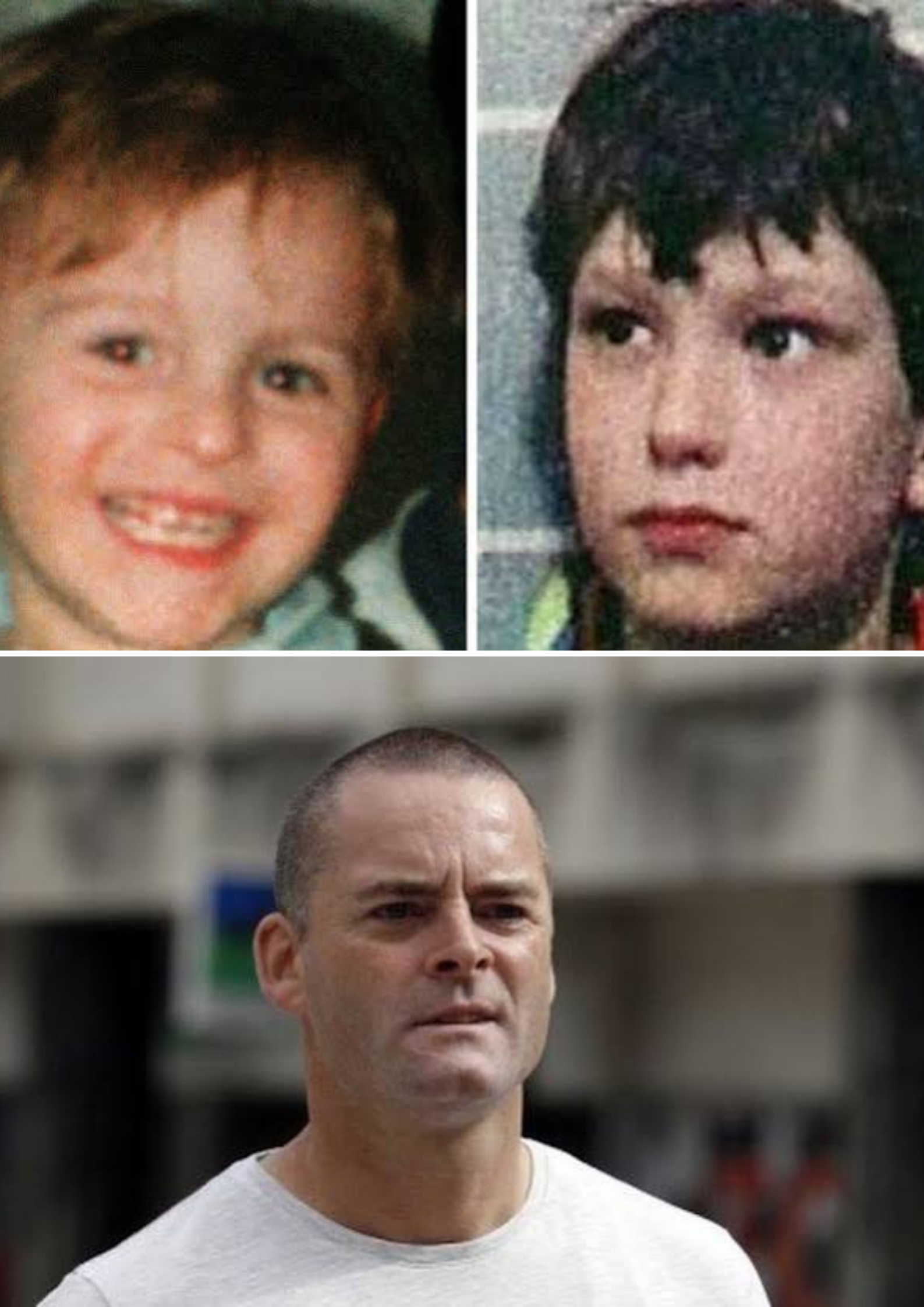
JON VENABLES FACES NEW PAROLE HEARING AS JAMES BULGER’S MOTHER’S FIGHT FOR TRANSPARENCY IS REJECTED
Jon Venables, one of the two men convicted over the 1993 killing of two-year-old James Bulger, is facing another parole review more than three decades after the case shocked Britain.
The 44-year-old will have his latest parole application considered at an oral hearing — but the proceedings will remain private, despite a determined campaign by James Bulger’s mother, Denise Fergus, and other family members for greater transparency.
The Parole Board announced on September 28, 2026, that it had rejected applications seeking to make Venables’ hearing public. The decision means members of the public and media will not be able to attend the hearing.
 DENISE FERGUS HAD ASKED FOR A PUBLIC HEARING
Denise and Stuart Fergus applied for the hearing to be held in public, arguing that the exceptional nature of the case and the continuing public interest justified greater openness.
Their application said a public hearing could help the public understand how parole decisions are made, particularly how evidence, risk and release plans are assessed.
They also argued that the case has generated extensive discussion and misinformation online, which they said has had a retraumatising effect on the family.
The family said greater transparency could help them better understand the process and feel more involved in a decision that continues to have a profound impact on them.
The legal representatives of James’s brothers, Jimmy and Ralph Bulger, also submitted an application for a public hearing.
They argued that the case raises unusual issues involving the original killing, Venables’ later offending, repeated recalls to custody, anonymity and the management of risk following any potential release.
 PAROLE BOARD SAYS THE HEARING MUST REMAIN PRIVATE
The Parole Board rejected those applications.
According to the Board, the threshold for making a parole hearing public is high and it was not satisfied that the interests-of-justice test had been met in this case.
One of the central concerns was Venables’ personal safety.
The Board said a public hearing could make it extremely difficult for him to give evidence because people seeking information about his whereabouts could potentially use information disclosed during proceedings to locate him and harm him.
The Board therefore decided that the hearing should remain private.
The decision does not mean the public will never learn anything about the outcome. The Parole Board can publish information about its decisions in accordance with its rules, although private hearings do not provide the same level of public scrutiny as hearings that are formally opened to the public.
DENISE FERGUS WILL BE ALLOWED TO OBSERVE
Although the hearing will not be public, Denise Fergus has been granted permission to observe the proceedings.
This follows reforms that expanded opportunities for victims to attend or observe private parole hearings in England and Wales.
The changes are intended to give victims and their families a greater role in the parole process while maintaining protections for sensitive evidence and the prisoner’s safety.
For the Bulger family, however, observing a private hearing is not the same as having the proceedings open to wider public scrutiny. That distinction was one of the issues raised in the application for a public hearing.
WHAT HAPPENED TO JAMES BULGER?
James Bulger was two years old when he was taken from a shopping centre in Bootle, Merseyside, in February 1993.
Venables and Robert Thompson, both aged 10 at the time, were convicted of his killing.
The case became one of the most closely followed criminal cases in modern British history because the offenders were themselves children.
Both received life sentences and were released on licence in 2001, when they were 18, under new identities and with lifelong anonymity protections.
Venables’ later history, however, led to further periods in custody.
VENABLES WAS RECALLED TO PRISON TWICE
Venables was released on licence in July 2001.
In February 2010, he was recalled to prison after indecent images of children were found on his computer.
He was released again in August 2013.
In November 2017, he was recalled once more following another offence involving indecent images of children.
His case was subsequently considered by the Parole Board again in 2020.
His history of subsequent offending has become an important part of the wider debate surrounding his parole applications and the management of his risk.
HIS LAST PAROLE BID WAS REJECTED IN 2023
Venables’ previous parole application was rejected in December 2023.
At the time, the Parole Board concluded that it was not satisfied that releasing him would be safe for the protection of the public.
That decision followed a two-day hearing conducted behind closed doors.
The Board’s decision meant Venables remained in prison, but it did not permanently prevent him from applying again in the future.
The latest application is therefore a new stage in a parole process that has continued for years.
THE BATTLE OVER ANONYMITY CONTINUES
The case also continues to raise difficult questions about anonymity.
Venables has lifelong anonymity protections because of the age at which he committed the original offence and because of continuing concerns about his safety.
The protections mean his current identity and whereabouts cannot legally be publicly disclosed.
At the same time, the Bulger family’s campaign has repeatedly focused on transparency, particularly when Venables’ release prospects return to public attention.
The 2026 application for a public parole hearing specifically argued that the unusual history of the case, including later offending and repeated recalls to custody, justified greater scrutiny of the parole process.
NO DECISION TO RELEASE HIM HAS BEEN ANNOUNCED
Importantly, the decision to hold the hearing does not mean Venables has been granted parole.
The Parole Board still has to assess the evidence surrounding his current risk, rehabilitation, supervision arrangements and proposed release circumstances before deciding whether he can safely be released.
As of the latest information available, there has been no announcement that Venables has been released or that a new release date has been approved.
The upcoming hearing therefore represents another major moment in a case that has remained in the public consciousness for more than 30 years.
For Denise Fergus, the issue is not simply whether Venables can eventually leave prison. It is also about how decisions affecting her son’s killer are examined — and how much transparency victims and the wider public can expect from the parole system.
For now, the Parole Board has made its position clear: the latest hearing will take place in private, while Denise Fergus will be permitted to observe the proceedings.