“NEW EVIDENCE IS RAISING FRESH QUESTIONS…” — LUCY LETBY CASE FACES ANOTHER MAJOR TURN
“NEW EVIDENCE IS RAISING FRESH QUESTIONS…” — LUCY LETBY CASE FACES ANOTHER MAJOR TURN
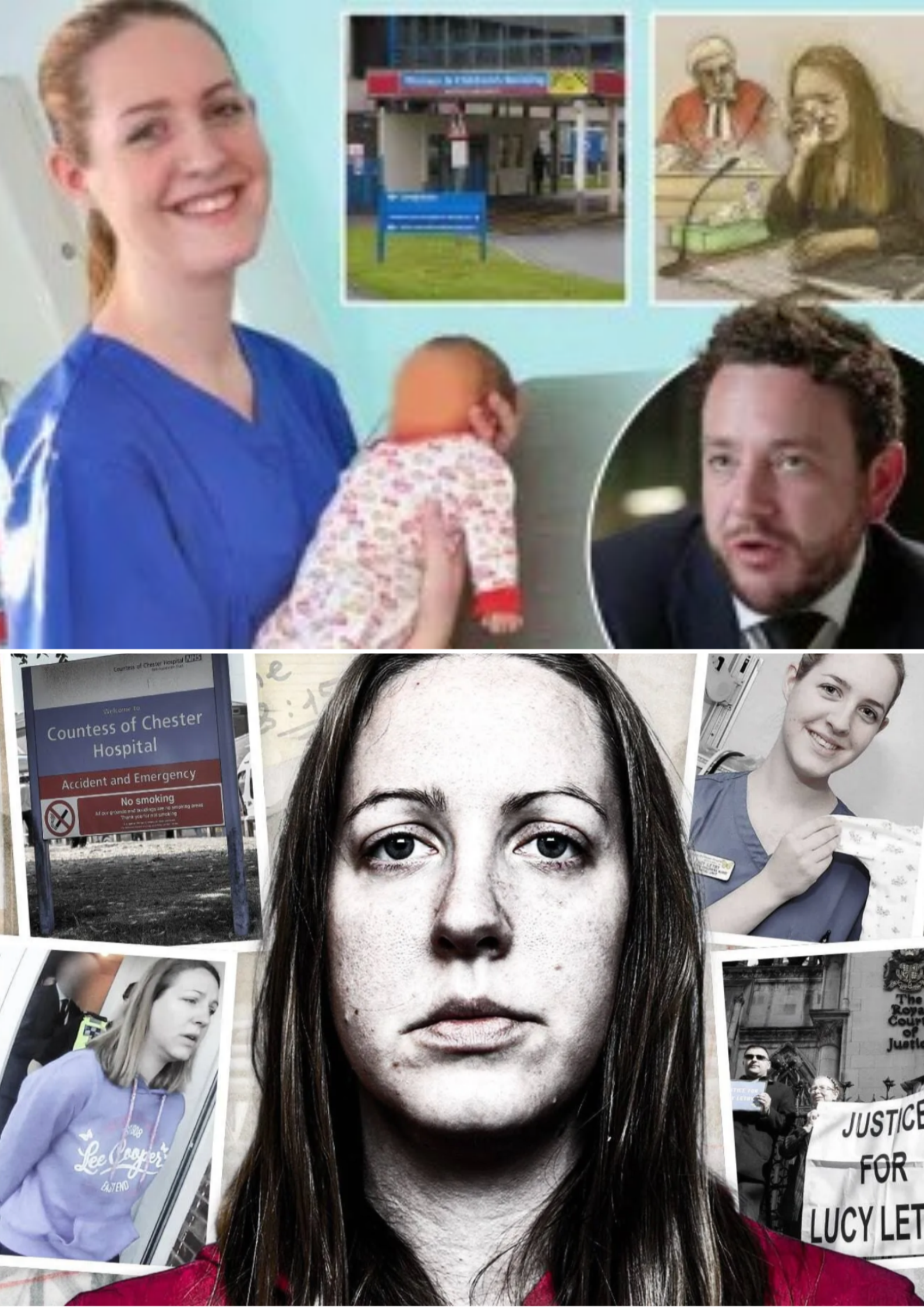
The case of convicted former neonatal nurse Lucy Letby has entered another closely watched chapter as new medical evidence is examined by the UK’s miscarriage-of-justice watchdog.
Letby remains in prison serving 15 whole-life sentences after being convicted of murdering seven babies and attempting to murder seven others at the Countess of Chester Hospital between 2015 and 2016.
But her legal team is continuing to challenge the convictions — and several developments have put renewed attention on the evidence used at trial.
 THE CCRC IS REVIEWING HER CASE
The Criminal Cases Review Commission (CCRC) confirmed that its review of Letby’s convictions is ongoing.
The commission received Letby’s preliminary application in February 2025 and subsequently received expert reports, further submissions and defence material.
The CCRC stressed that it does not decide whether someone is guilty or innocent. Its role is to investigate potential miscarriages of justice and, where appropriate, refer a case back to the Court of Appeal.
NEW MEDICAL EVIDENCE IS AT THE CENTER OF THE CHALLENGE
An international group of medical experts has challenged parts of the scientific evidence used to convict Letby.
Among them is Canadian neonatologist Dr Shoo Lee, whose earlier research concerning air embolism was relied upon by the prosecution.
Lee has argued that his research was misinterpreted and that the evidence does not establish that the babies were deliberately poisoned or harmed.
The new material has been submitted to the CCRC as part of the effort to obtain another appeal.
 BUT THE NEW EVIDENCE IS ALSO BEING DISPUTED
The challenge is not without controversy.
In September, two scientists who had previously contributed to Letby’s defence case withdrew from the defence team over concerns about some of the arguments being advanced.
They said they continued to stand by aspects of their earlier work but could not support other claims that they considered inconsistent with available evidence and established science. Letby’s barrister disputed that this undermined the wider defence case.
That means the scientific debate surrounding the convictions remains contested rather than settled.
A DOCTOR FROM THE ORIGINAL CASE HAS NOW SPOKEN OUT
Another major development came from Dr John Gibbs, a retired paediatrician who played a significant role in the events surrounding the original investigation.
Gibbs has recently said he is no longer certain that crimes were committed, and has called for a retrial if genuinely compelling new evidence emerges.
His comments have added another layer to the ongoing debate surrounding the medical evidence.
THE HOSPITAL WAS ALSO HEAVILY CRITICISED
Separately, the Thirlwall Inquiry into what happened at the Countess of Chester Hospital found serious failures in management, governance and safeguarding.
The inquiry concluded that some babies might have been saved if the hospital had acted sooner after doctors raised concerns.
However, those findings concern the hospital’s response and systems; they do not themselves overturn Letby’s convictions.
WHAT HAPPENS NEXT?
The crucial question now is whether the CCRC concludes that the new evidence creates a sufficient possibility that Letby’s convictions could be overturned.
If the commission finds that threshold is met, it can refer the case to the Court of Appeal.
For now, no court has overturned Letby’s convictions, and she remains imprisoned.
The case therefore remains a legal and scientific dispute — with the original convictions standing while the new evidence is examined.
👇 FULL STORY AND LATEST DEVELOPMENTS IN THE COMMENTS.