FATHER SENTENCED TO DE@TH AFTER THREE-YEAR-OLD SON’S TRAGIC DE@TH — SECRET EXECUTION REVEALED TWO YEARS LATER
FATHER SENTENCED TO DEATH AFTER THREE-YEAR-OLD SON’S TRAGIC DEATH — SECRET EXECUTION REVEALED TWO YEARS LATER
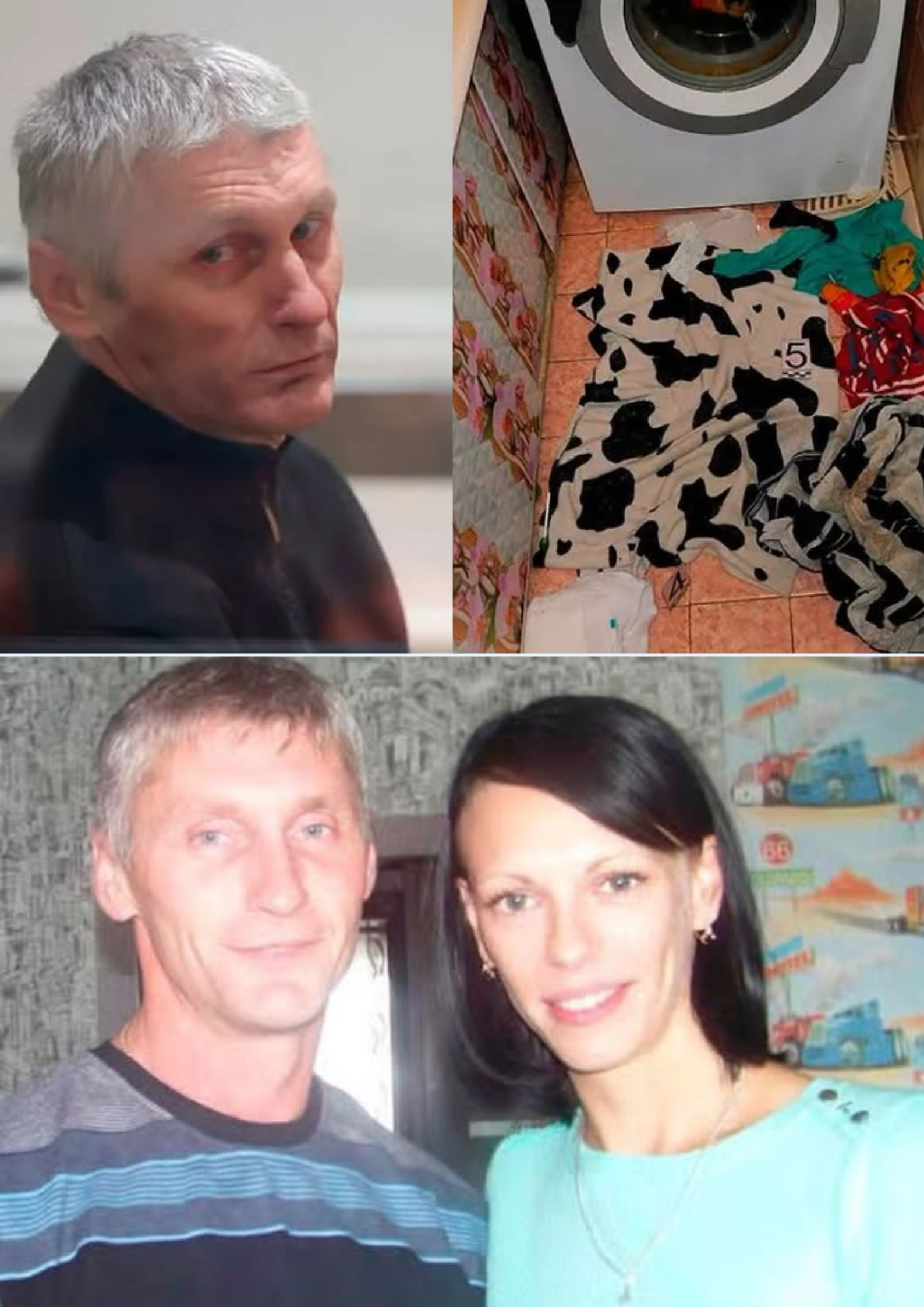
Alexander Taratuta was sentenced to death after he and his wife were convicted over the prolonged abuse and death of their three-year-old son, Semyon. Human rights defenders have now revealed that the sentence was carried out in secret in Belarus in October 2024, while the boy’s mother continues to serve a 25-year prison sentence.
The secret execution of a Belarusian father convicted in the death of his three-year-old son has come to light, renewing attention on one of the country’s most disturbing criminal cases.
Alexander Taratuta was sentenced to death in October 2023 after a court found him and his wife, Anastasia Taratuta, guilty of torturing and killing their young son, Semyon.
According to the Human Rights Center Viasna, the execution took place on October 9, 2024. Human rights defenders only learned that the sentence had been carried out in the spring of 2026, with the information made public in October.
Belarusian authorities do not routinely disclose the dates and locations of executions, leaving relatives and the public with little information about when death sentences are carried out.
 A little boy who endured years of suffering
The case dates back to January 2023, when Semyon died in the family’s home in Slutsk, Belarus.
Court proceedings heard that the child had endured prolonged mistreatment at the hands of his parents. Prosecutors said the couple acted out of personal hostility towards him and subjected him to repeated physical punishment and humiliation.
According to reports on the trial, Semyon was severely underweight when he died, weighing approximately 6.8 kilograms (15 pounds). A paramedic described his appearance as resembling a skeleton covered in skin.
The court heard that the child was regularly deprived of food and forced to sleep on the kitchen floor, on bare linoleum. Evidence presented during the proceedings also described repeated beatings and other degrading treatment.
The details painted a devastating picture of a young child who depended entirely on the adults responsible for his care.
 The final incident that led to Semyon’s death
According to the prosecution’s account, the abuse culminated in a fatal incident on January 14, 2023.
Court materials described how Alexander kicked his son in the head, causing injuries that proved fatal. The child’s condition and the circumstances surrounding his death became central to the criminal proceedings against both parents.
Alexander denied intending to end his son’s life. In his final statement to the court, he said he had not planned to kill the child and expressed regret over what had happened.
He reportedly said he was sorry that the final blow had been too strong.
The court nevertheless found both parents guilty of the offences charged, including the killing of a minor with particular cruelty and the prolonged mistreatment of a child.
A death sentence for the father, 25 years for the mother
On October 19, 2023, the Minsk Regional Court sentenced Alexander to death by firing squad.
His wife, Anastasia, received a 25-year prison sentence, the maximum term imposed on a woman in Belarus under the applicable sentencing rules. She was also ordered to undergo compulsory treatment for alcohol dependence.
The couple appealed their sentences, but on January 9, 2024, Belarus’s Supreme Court upheld the verdicts.
Alexander’s death sentence therefore remained in force, while Anastasia’s 25-year term was confirmed.
The case attracted international attention because Belarus remains the only country in Europe that continues to carry out executions.
The execution was kept secret
Unlike many countries that publicly announce executions, Belarus maintains secrecy around the process.
According to Viasna, Alexander’s sentence was carried out on October 9, 2024, less than a year after the original verdict. Human rights defenders did not learn that he had been executed until the spring of 2026.
The organization reported that there was no official public information identifying the location where his sentence was carried out.
The delayed disclosure illustrates the lack of transparency surrounding capital punishment in Belarus, where families and independent observers may not receive timely information about the fate of prisoners sentenced to death.
The other children in the family
Reports about the trial also described the couple’s two other children, who were said to have received markedly different treatment from Semyon.
According to accounts of the proceedings, the older daughter and younger child were reportedly treated with greater affection, while Semyon was subjected to repeated mistreatment.
The contrast formed part of the wider picture presented during the case: a vulnerable three-year-old whose basic needs for food, warmth and protection were allegedly denied by the people responsible for looking after him.
The case has raised profound questions about how prolonged mistreatment can remain hidden within a family and how vulnerable children can be protected before their circumstances become fatal.
A case that continues to haunt Belarus
For Semyon, the court proceedings came too late to save his life. His parents were convicted, and the father’s sentence was eventually carried out in secret.
For those following the case, the newly revealed execution is another chapter in a tragedy that began with the death of a three-year-old child.
Belarus’s use of capital punishment remains controversial internationally. Human rights organizations oppose the death penalty and have repeatedly raised concerns about secrecy surrounding executions and the limited information made available to families.
In this case, the legal outcomes are now known: Alexander Taratuta was executed in October 2024, and Anastasia Taratuta was sentenced to 25 years in prison.
But the most enduring part of the story remains the child at its centre.
Semyon was only three years old. He depended on his parents for safety, nourishment and love. Instead, the court heard evidence of prolonged suffering that ended in his death. His name remains at the heart of a case that has shocked Belarus and drawn renewed scrutiny to the country’s secretive use of capital punishment.