JAMES BULGER’S FAMILY THREATENS LEGAL ACTION AFTER BEING BARRED FROM JON VENABLES’ PAROLE HEARING
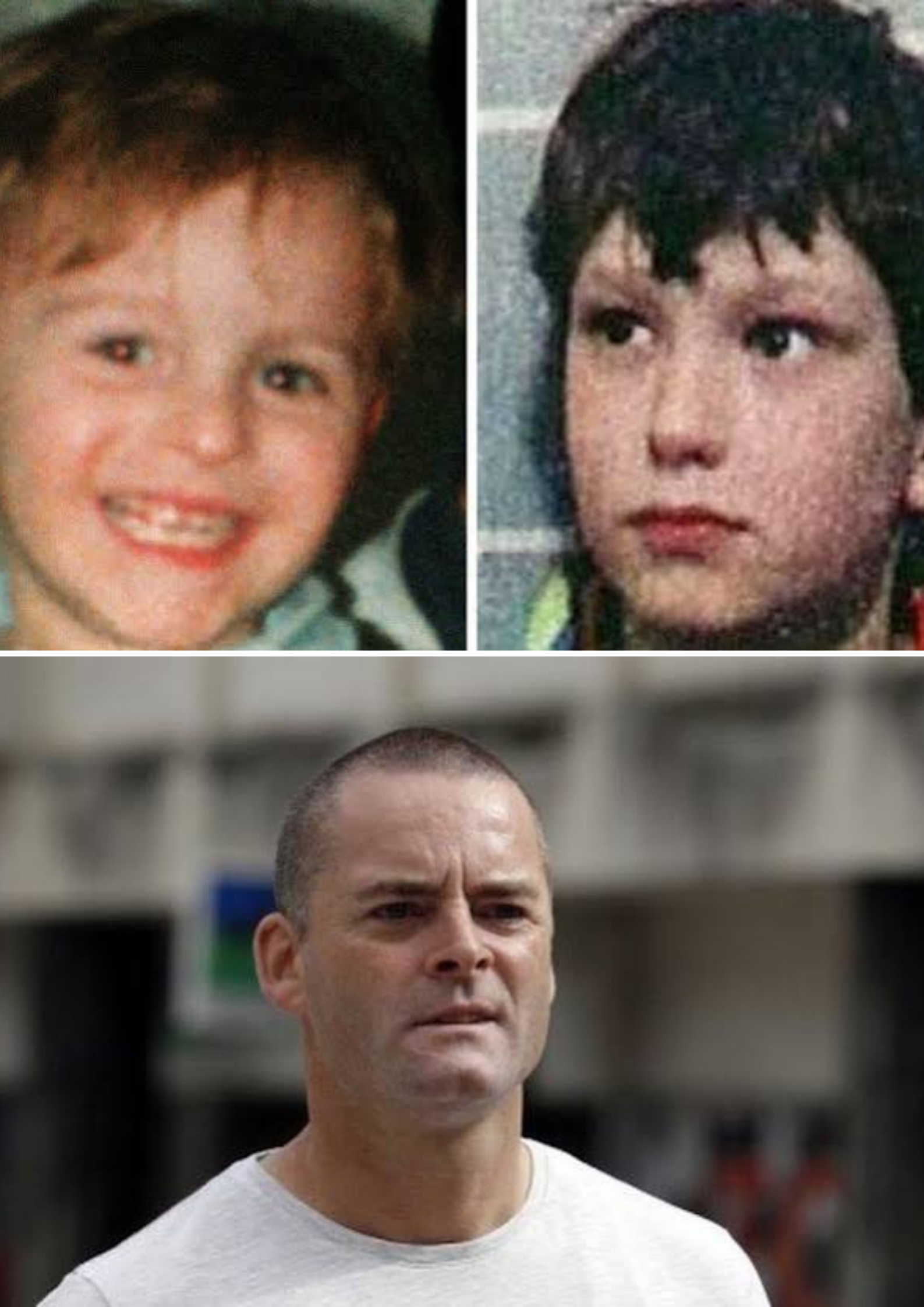
JAMES BULGER’S FAMILY THREATENS LEGAL ACTION AFTER BEING BARRED FROM JON VENABLES’ PAROLE HEARING
Denise Fergus and James’s father, Ralph Bulger, were reportedly told they could attend the hearing. Now, the family is demanding answers after the decision was reversed, leaving them feeling devastated and excluded from a process that could determine their loved one’s killer’s future.
LONDON, ENGLAND — More than three decades after the killing of two-year-old James Bulger shocked Britain, his family is facing another painful chapter in the case.
The family of the murdered toddler is threatening legal action after being told they cannot attend the upcoming private parole hearing of Jon Venables, one of the two men convicted of killing James in 1993.
According to a report published by The Irish Sun on October 10, lawyers acting for James’s mother, Denise Fergus, have written to the Parole Board demanding an explanation for the decision. The family is seeking answers after reportedly receiving earlier assurances that arrangements would be made to allow them to attend.
The reversal has left relatives feeling deeply disappointed and emotionally exhausted, particularly after months of preparing for the prospect of facing Venables during the hearing.
The dispute has now placed the treatment of victims’ families, the privacy of parole proceedings and the rights of those affected by serious crimes at the center of a growing public debate.
 A DECISION THAT LEFT THE FAMILY DEMANDING ANSWERS
Denise Fergus, her husband Stuart Fergus and James’s father, Ralph Bulger, were reportedly informed in January that they would be able to attend Venables’ hearing, with arrangements intended to protect his identity.
However, the Parole Board subsequently decided that the hearing would remain private.
The board rejected an application for the public to observe the proceedings, despite requests from James’s family and several media organisations.
According to The Irish Sun, a source close to the family said relatives felt they had been let down after preparing themselves emotionally for the hearing over several months.
The family’s lawyers have since sent a formal letter demanding clarification about why the earlier position changed. The report said the letter was sent last month after Denise was informed that the arrangements would not proceed as expected.
The Parole Board was asked to comment on the family’s concerns.
At the time of the report, no final outcome of the legal challenge had been announced.
 WHY IS JON VENABLES’ PAROLE HEARING PRIVATE?
Venables, now 44, is due to have his latest application for release considered by the Parole Board at an oral hearing.
Parole hearings in England and Wales are generally held in private, although public hearings may be permitted in certain circumstances when the board considers that doing so would be in the interests of justice.
In its published decision on September 28, 2026, the Parole Board declined an application to make Venables’ hearing public.
The decision means the proceedings will not be open for the public to observe, despite the intense public interest surrounding the case.
The question of whether a hearing should be public is separate from the question of whether a prisoner should be released. The parole panel must assess the relevant evidence and determine whether the legal requirements for release are met.
A private hearing does not, by itself, mean that Venables will be released. Nor does it establish the outcome of the current review.
For James’s family, however, the decision has created a separate source of distress: their reported expectation that they would be able to attend has been replaced by uncertainty about their involvement in the process.
THE CASE THAT SHOCKED BRITAIN
James Bulger was just two years old when he was abducted from a shopping centre in Bootle, Merseyside, in February 1993.
Venables and Robert Thompson, who were both 10 years old at the time, were convicted of his abduction and murder.
The case caused widespread grief and outrage across the United Kingdom. James’s age, the circumstances of his disappearance and the brutality of the crime made it one of the most widely remembered criminal cases in modern British history.
For Denise Fergus and Ralph Bulger, the case has never been simply a matter of headlines or public debate. They lost their young son, and the legal proceedings that followed have repeatedly brought the tragedy back into public view.
Over the years, Denise has continued to speak about James and the impact his death has had on her family.
The latest parole proceedings have reopened difficult emotions, particularly because the possibility of Venables’ release requires the family to confront the case once again.
WHY VENABLES’ PREVIOUS RELEASES MATTER
Venables and Thompson were released on licence in 2001 after serving time in custody.
Venables was later recalled to prison in 2010 after child sexual abuse material was found on his computer. He was released again in 2013, but returned to prison in 2017 after further child sexual abuse material was discovered.
His subsequent parole applications have been closely scrutinised because of the seriousness of his original offence and his later convictions.
In 2023, a parole bid was rejected. The current proceedings represent another assessment of whether he meets the requirements for release.
The parole panel must consider the evidence relevant to the present application rather than treat the outcome as predetermined. A hearing is an assessment process, not confirmation that release will occur.
The possibility of release remains deeply distressing for many people who remember James’s case, but the final decision rests with the parole authorities after consideration of the evidence.
A FAMILY’S RIGHT TO BE HEARD
The latest dispute raises a broader question about how the justice system balances the privacy of parole proceedings with the interests of victims’ families.
Supporters of greater transparency argue that allowing public observation in exceptional cases can help build confidence in the process and reduce misinformation.
At the same time, parole hearings can involve sensitive personal information, and the board must consider the relevant legal and privacy issues when deciding whether a hearing should be public.
Victims and their families can have a significant interest in understanding the process, particularly when a decision may affect their sense of safety and their ability to move forward.
For the Bulger family, the reported change in arrangements has become a matter of trust as well as access. Their lawyers are seeking an explanation for why they were reportedly told they could attend before that position changed.
Whether the family’s legal challenge will lead to a different arrangement remains uncertain.
WHAT HAPPENS NEXT?
The immediate question is whether the Parole Board will provide a satisfactory explanation for its decision and whether the family will pursue further legal action.
The parole panel will separately consider Venables’ application for release. Until that process concludes and a decision is formally announced, it would be premature to claim that he will be freed.
For Denise Fergus and Ralph Bulger, however, the uncertainty has already brought renewed emotional strain.
More than 30 years after James’s death, his family continues to navigate a system that can bring the past sharply into the present. Their latest demand is for clarity about a decision they say contradicts earlier assurances.
The case is now about more than a parole hearing. It is also about whether a family that has lived with an unimaginable loss can obtain clear answers from the institutions responsible for making decisions about the man convicted of their child’s killing.
As the proceedings move forward, the family’s request remains straightforward: explain why the arrangements changed, clarify what role they can have in the process, and ensure their concerns are properly addressed.