DNA BREAKTHROUGH FINALLY LED POLICE TO NIKKI ALLAN’S KI//ER MORE THAN 30 YEARS LATER
DNA BREAKTHROUGH FINALLY LED POLICE TO NIKKI ALLAN’S KILLER MORE THAN 30 YEARS LATER
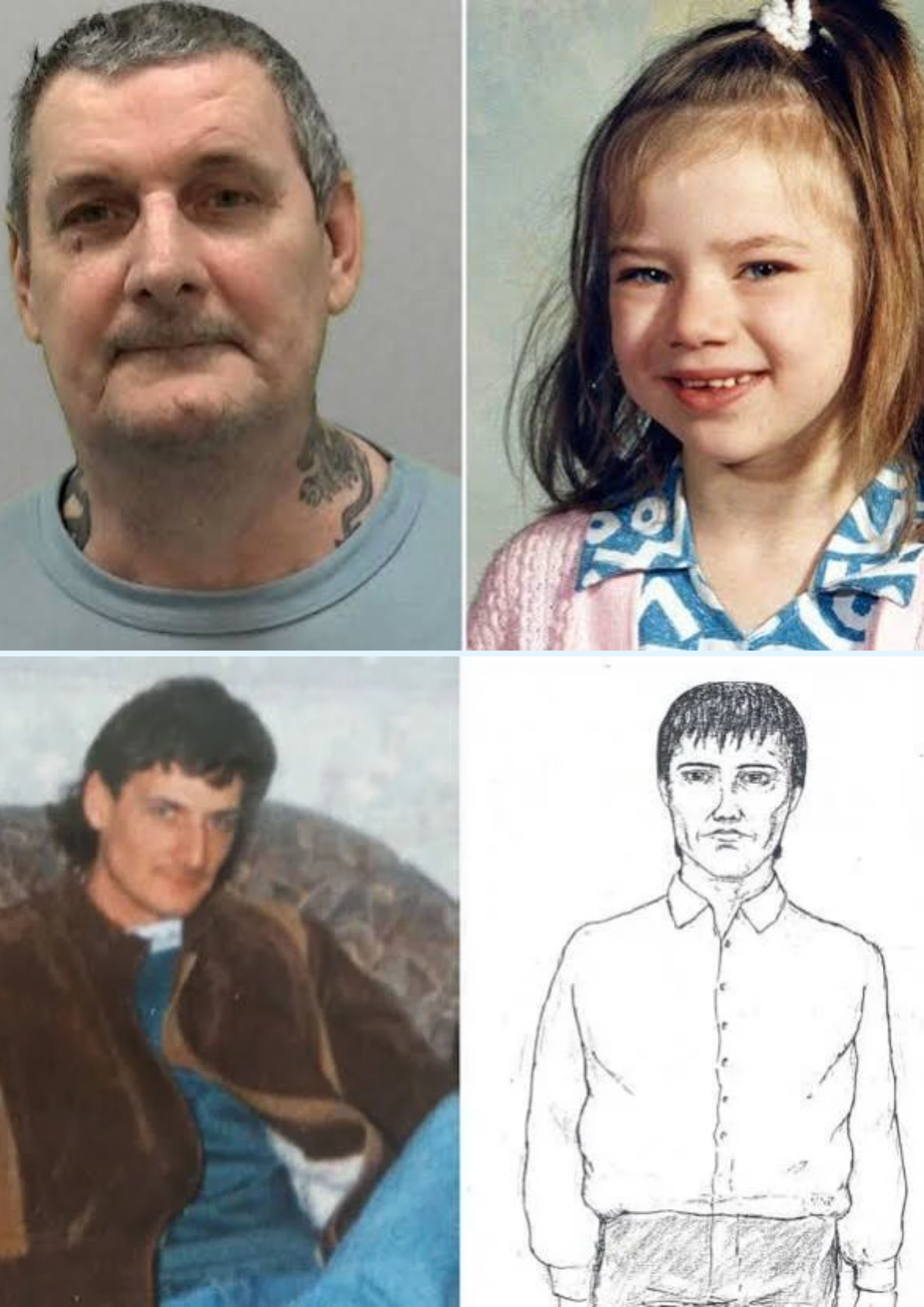
SUNDERLAND, England — More than three decades after 7-year-old Nikki Allan was murdered in Sunderland, a breakthrough in DNA analysis finally helped investigators identify the man who would eventually be convicted of her killing.
David Boyd, who was 25 when Nikki was murdered in 1992, was convicted of murder at Newcastle Crown Court in May 2023.
He was sentenced to life in prison with a minimum term of 29 years. In October 2024, his attempt to challenge both his conviction and sentence was rejected by the Court of Appeal.
 A SEVEN-YEAR-OLD GIRL DISAPPEARS
Nikki Allan disappeared on October 7, 1992, after leaving her home in the Wear Garth area of Sunderland.
She was later found dead inside the abandoned Old Exchange building.
The case remained unsolved for decades.
During the original investigation, another local man, George Heron, was prosecuted for Nikki’s murder but was acquitted in 1993. Northumbria Police eventually reopened the investigation years later as advances in forensic science offered investigators new opportunities to examine evidence from the case.
 THE DNA CLUE THAT CHANGED THE CASE
Boyd had lived near Nikki and her family and was the partner of a woman who had babysat her.
A major breakthrough came when forensic scientists were able to identify DNA associated with Boyd on clothing belonging to Nikki.
According to evidence presented at his trial, DNA found on Nikki’s cycling shorts produced a match estimated at approximately one in 28,000, while another DNA finding on her T-shirt was estimated at approximately one in 5,100.
Boyd denied murdering Nikki and offered an explanation for how his DNA could have ended up on her clothing.
Prosecutors argued that the DNA evidence, together with other evidence presented at trial, connected Boyd to the killing.
The sentencing judge later described the DNA evidence as powerful evidence against him.
A CONVICTION MORE THAN 30 YEARS AFTER THE MURDER
On May 12, 2023, after a trial at Newcastle Crown Court, a jury found Boyd guilty of Nikki’s murder.
He was 55 at the time of his conviction.
The verdict brought an end to a case that had haunted Nikki’s family for more than 30 years.
The court heard that Nikki had been taken to the abandoned building, where she was attacked and killed.
Boyd was sentenced to life imprisonment, with a minimum term of 29 years.
APPEAL BID FAILS
Boyd later sought permission to appeal his conviction and sentence.
His application was rejected in 2024, meaning his original conviction and life sentence remained in place. ITV reported that the case did not proceed to a full Court of Appeal hearing.
Boyd therefore continues to serve his life sentence, subject to the minimum term imposed by the court.
A CASE THAT CHANGED AFTER DECADES
Nikki Allan’s murder became one of Sunderland’s longest-running unsolved cases.
For years, investigators had little that could definitively identify the person responsible. The later reinvestigation showed how developments in forensic science could reopen evidence from an investigation that had begun more than three decades earlier.
Northumbria Police’s renewed investigation included extensive DNA work and ultimately led detectives to Boyd.
The case also prompted an independent review of concerns surrounding the original police investigation.
For Nikki’s family, the conviction finally answered the central question that had remained unresolved since 1992: who was responsible for the death of their little girl?
Nikki was only seven years old when her life was taken.
More than 30 years later, the conviction of David Boyd brought a legal conclusion to a case that had remained open for a generation.