Nolan Wells Case: New Autopsy and Cellphone Findings Raise Questions About His Death
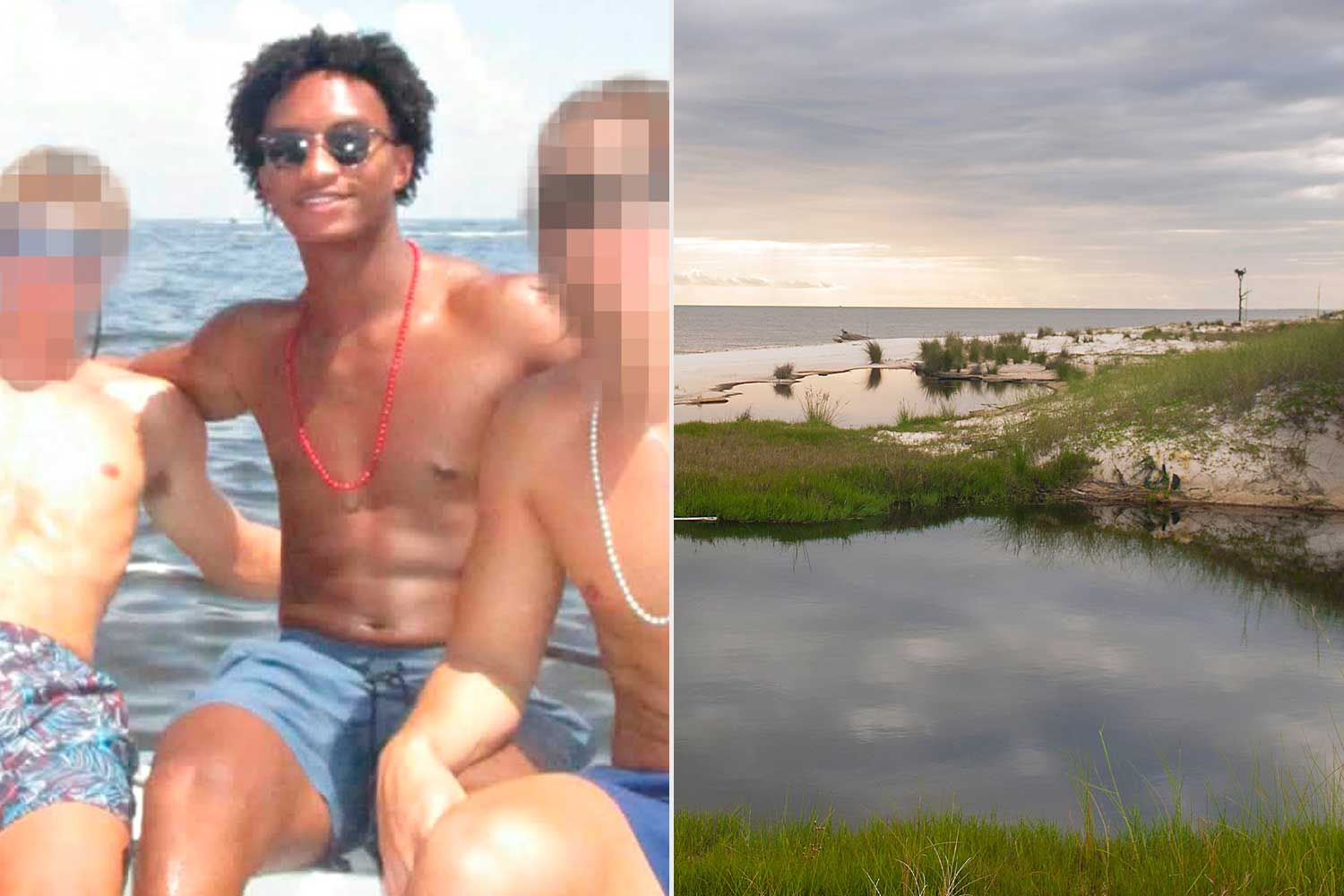
Nolan Wells Case: New Autopsy and Cellphone Findings Raise Questions About His Death
SEO Title
Nolan Wells Case: New Findings Raise Questions
Meta Description
New cellphone and autopsy findings in the Nolan Wells case have raised questions about his death, even after a Mississippi grand jury declined charges.
The investigation into the death of 18-year-old Nolan Wells has taken another turn after his family’s attorneys released new information from the state autopsy and a forensic examination of his cellphone.
The developments come days after a Jackson County, Mississippi, grand jury declined to bring criminal charges in Wells’ death. The grand jury said the circumstances were consistent with drowning and found no credible evidence that people who traveled to Horn Island with Wells engaged in criminal conduct related to his death.
But the newly released information has renewed questions from Wells’ family and attorneys, particularly about the medical findings, activity on Wells’ cellphone and what happened during the hours before he disappeared.
Background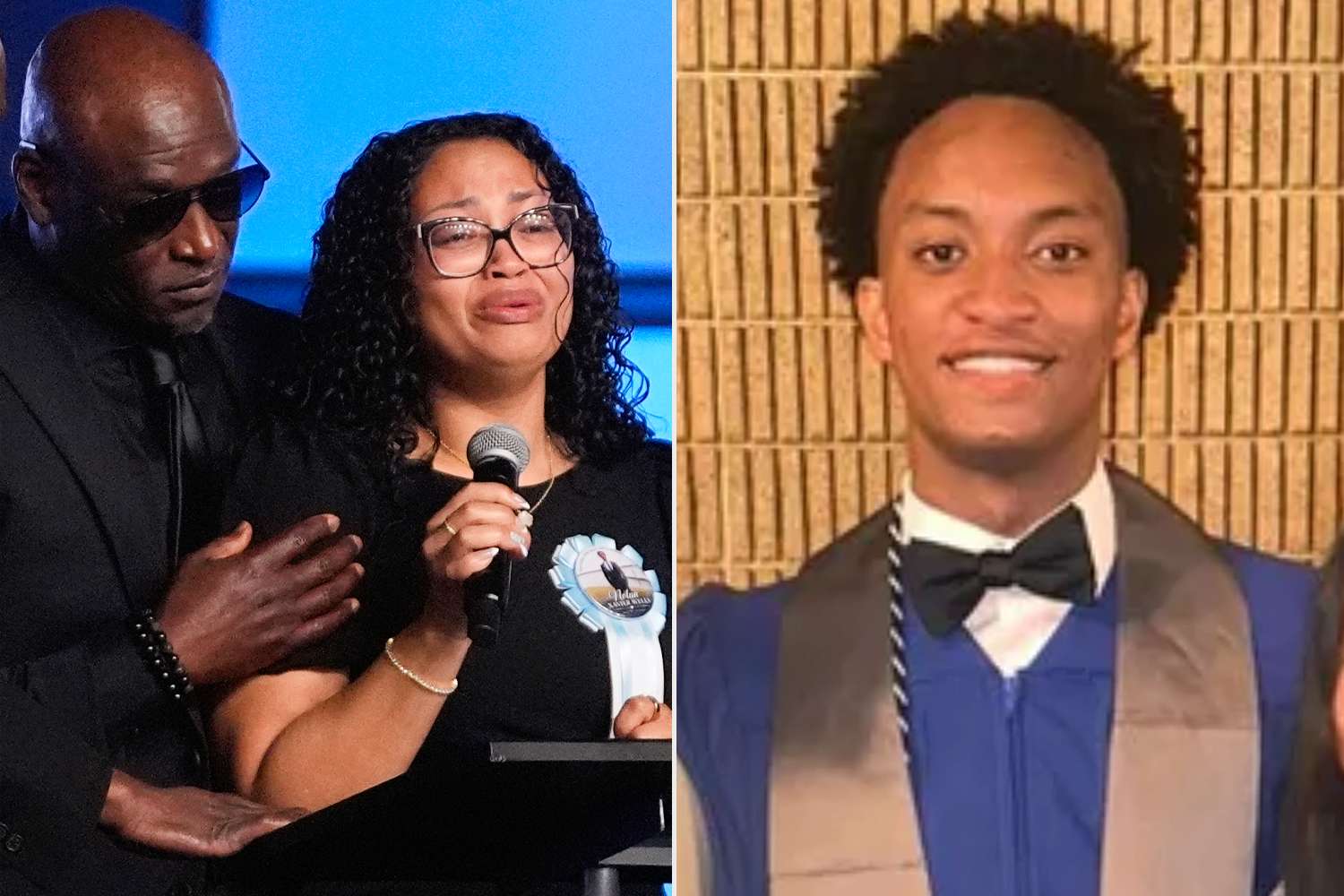
Wells, an 18-year-old Black college student, traveled to Horn Island off Mississippi’s Gulf Coast on July 4 with a group of friends.
According to information presented by investigators and the grand jury, Wells remained on the island after the boats carrying his friends returned to the mainland. His body was discovered in the water near Horn Island on July 6.
The Jackson County grand jury reviewed evidence from the investigation, including witness testimony, GPS information, cellphone extractions, photographs and videos. The panel heard from more than 40 witnesses and issued more than 100 subpoenas before declining to recommend criminal charges.
The grand jury said Wells’ cause of death was undetermined but that the circumstances and location where his body was found were consistent with drowning.
Timeline
July 4: Wells travels to Horn Island
Digital forensic experts hired by Wells’ family said GPS information showed his cellphone traveling toward Horn Island on the morning of July 4.
According to the examination presented by Garrett Discovery CEO Andrew Garrett, the phone was on a boat by approximately 10:30 a.m. and remained associated with the island for several hours. Garrett said the phone was last used at approximately 2:17 to 2:20 p.m.
The family has continued to focus on the period between Wells’ last known activity and the time his friends returned to the mainland.
July 4: Friends leave the island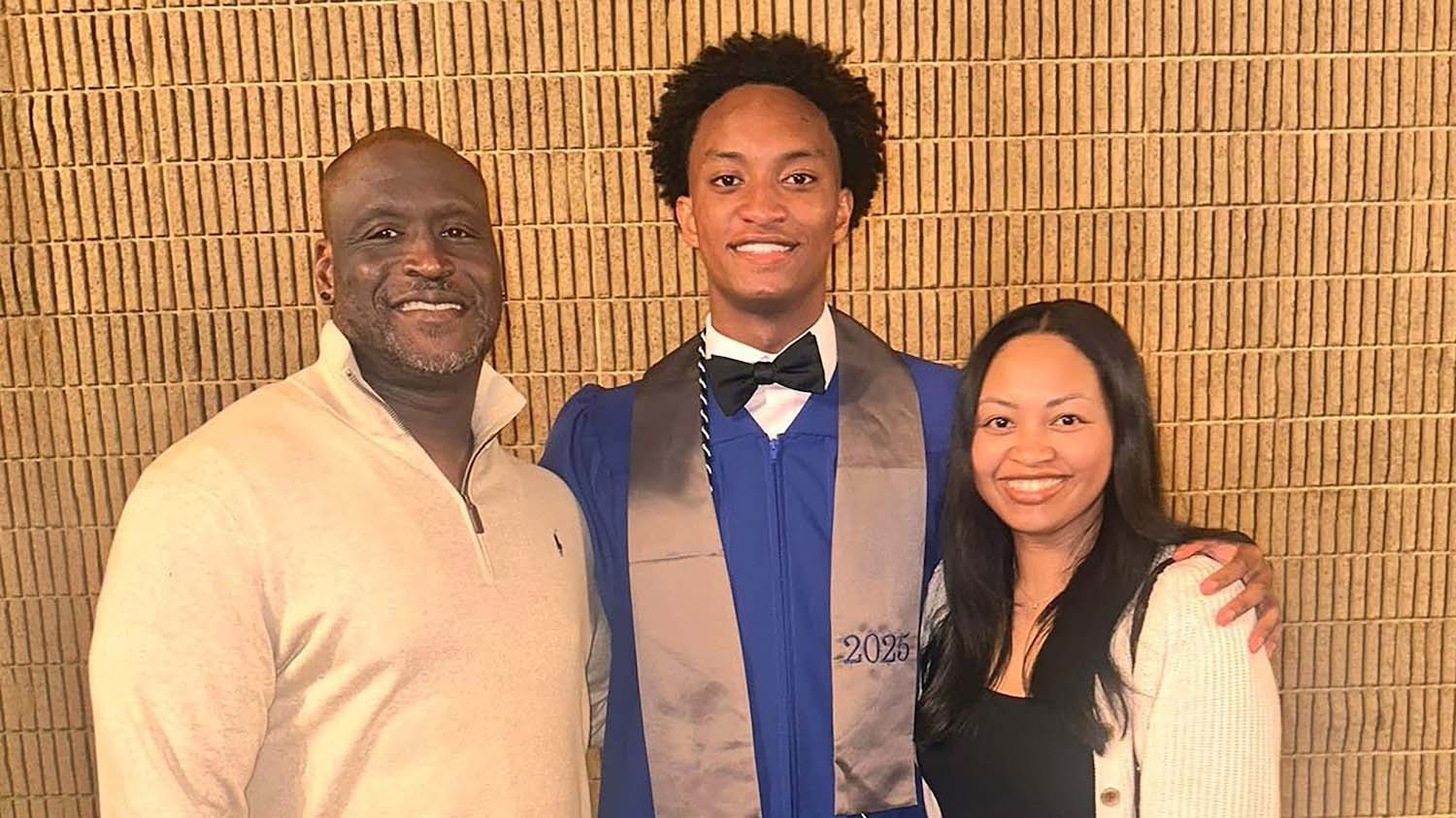
The boat carrying Wells and his friends later returned to the mainland. According to the cellphone analysis presented by the family’s forensic team, the phone traveled away from the island even though Wells remained behind.
Wells was subsequently reported missing.
July 6: Wells is found dead
Wells’ body was found in the water near Horn Island two days after the July 4 trip.
An independent autopsy commissioned by his family previously classified both the cause and manner of death as undetermined.
September: Grand jury reviews the case
A Jackson County grand jury met from September 14 through September 18.
After reviewing the evidence, the panel declined to bring criminal charges. It found no credible evidence that people who traveled to or from Horn Island that day engaged in criminal conduct related to Wells’ death.
September 24: New cellphone and autopsy information released
Wells’ family and attorney Ben Crump publicly discussed additional findings from the state autopsy and the forensic examination of Wells’ phone.
Those findings have become the latest focus of the dispute over what happened to Wells.
What the Autopsy Shows
The Mississippi State Medical Examiner’s report classified Wells’ cause and manner of death as undetermined.
The report stated that Wells was found face down in the water at Horn Island and that, because the circumstances surrounding his death were unknown, the cause and manner could not be determined.
The report also documented two dark red-purple contusions beneath the scalp on the back of Wells’ head.
Wells’ family and attorneys have questioned what caused those injuries and whether they were connected to his death.
The autopsy also reportedly found no fluid in Wells’ airway, lungs or stomach. The family’s legal team has pointed to that finding while challenging the drowning explanation.
However, the absence of those findings does not by itself establish that Wells was killed or that he did not drown. The official medical conclusion remains that the cause and manner of death are undetermined.
What the Cellphone Examination Found
A digital forensic team hired by Wells’ family examined his cellphone and recovered information from applications including Snapchat, Instagram and GPS records.
The examination found evidence that some messages sent to Wells had been deleted, according to Andrew Garrett and reporting by Mississippi Today.
Garrett said his team recovered hundreds of pages of Snapchat-related material. The grand jury had access to cellphone evidence, including 282 pages of Snapchat conversations, when it reviewed the case.
The forensic team also had to manually extract some Snapchat information because the version of the application on Wells’ phone was not compatible with commonly used extraction software.
Importantly, investigators have not established who deleted the messages or why they were deleted.
That distinction is significant. Deleted messages are a documented finding reported by the family’s forensic team, but the available evidence does not establish that the deletions were connected to Wells’ death or criminal activity.
The Dispute Over the Phone Evidence
The cellphone findings have also produced a dispute between Wells’ legal team and Jackson County District Attorney Angel Myers McIlrath.
The Wells family’s attorneys have argued that the phone evidence raises additional questions and should remain part of an ongoing investigation.
McIlrath has disputed aspects of that account, saying her office received selected findings rather than the complete cellphone extraction. She also accused the family’s legal team of making strategic choices about the information released publicly and creating what she described as a misleading narrative.
The disagreement does not change the grand jury’s decision, but it highlights the continuing dispute over what evidence was reviewed and how it should be interpreted.
What the Grand Jury Concluded
The grand jury did not find sufficient evidence to bring criminal charges.
Its report stated that there was no credible evidence that people who traveled to or from Horn Island on July 4 engaged in criminal conduct related to Wells’ death.
The panel also determined that Wells’ death was consistent with drowning based on the condition of his body, where it was found and the surrounding circumstances.
At the same time, the report did not establish drowning as a definitive medical cause of death.
That distinction is important: “consistent with drowning” is not the same as a medical determination that drowning was definitively the cause of death.
What Is Confirmed
Several facts are now supported by official records or multiple credible reports:
- Nolan Wells was 18 when he died.
- He traveled to Horn Island on July 4, 2026.
- His body was found near the island on July 6.
- The state medical examiner classified his cause and manner of death as undetermined.
- The state autopsy documented two contusions on the back of his head.
- The released autopsy information indicated no fluid was found in his airway, lungs or stomach.
- A forensic examination of Wells’ cellphone recovered extensive digital information.
- The examination found evidence that some messages sent to the phone had been deleted.
- A Jackson County grand jury declined to bring criminal charges.
- The grand jury found no credible evidence that the people who traveled to and from Horn Island engaged in criminal conduct related to Wells’ death.
What Remains Unclear
The most important question remains the same: What caused Nolan Wells’ death?
The state medical examiner has not determined a definitive cause or manner of death.
It also remains unclear what caused the injuries documented on the back of Wells’ head, whether they occurred before or around the time of death, and whether they played any role in his death.
The cellphone investigation has produced additional information, but it has not established who deleted the messages or why.
There is also an ongoing disagreement between the family’s attorneys and the district attorney about the scope of the cellphone information provided to investigators and the grand jury.
None of the newly released evidence, by itself, establishes that Wells was murdered.
Official Response
District Attorney Angel Myers McIlrath has defended the investigation and the grand jury process.
Before the grand jury proceedings, she said her office was required to present the evidence while following legal and ethical restrictions on what prosecutors could publicly disclose.
After the grand jury declined to bring charges, McIlrath rejected claims that the investigation had failed because of racial bias or that officials had ignored evidence.
Wells’ family and Crump have taken a different position. They have called for continued investigation, greater transparency and federal review of the case.
Why the New Findings Matter
The new findings do not overturn the grand jury’s decision.
Instead, they add more information to a case in which the medical cause of death remains unresolved.
For Wells’ family, the combination of an undetermined cause of death, head injuries documented in the autopsy and newly recovered cellphone information is reason to continue seeking answers.
For prosecutors, the grand jury’s review concluded that the evidence did not establish criminal conduct by the people who accompanied Wells to Horn Island.
Both positions can be stated without reaching a conclusion that the currently available evidence does not support.
Latest Update
As of September 29, 2026, no criminal charges have been filed in connection with Nolan Wells’ death.
The Jackson County grand jury has declined to indict anyone, while the state medical examiner continues to classify the cause and manner of death as undetermined.
At the same time, Wells’ family is continuing to press for additional investigation and federal scrutiny, pointing to the autopsy findings and cellphone evidence as reasons the case should not be considered fully resolved.
The central question remains unanswered: How did Nolan Wells die after he was left on Horn Island on July 4?
For now, the available evidence does not provide a definitive answer.