NEW BODYCAM FOOTAGE REVEALS TENSE WELFARE CHECKS AT HOME OF JUSTINE MAY BEFORE HER TWO YOUNG DAUGHTERS WERE FOUND DE@D

NEW BODYCAM FOOTAGE REVEALS TENSE WELFARE CHECKS AT HOME OF JUSTINE MAY BEFORE HER TWO YOUNG DAUGHTERS WERE FOUND DEAD
LADSON, SOUTH CAROLINA — October 2026
Newly released police body-camera footage is offering a disturbing glimpse into the weeks before two young sisters were found dead inside their South Carolina home, raising fresh questions about the welfare checks conducted before the tragedy.
The footage shows interactions between authorities and Justine May, the girls’ 31-year-old mother, during visits to her home on August 30 and September 12, 2026. The children, Emory Deacon, 2, and Harlow Deacon, 15 months, were discovered dead on September 29.
According to the Charleston County Coroner’s Office, the sisters died from starvation and dehydration due to neglect. Their deaths were classified as homicides.
May has been charged with two counts of homicide by child abuse. The charges remain allegations, and the case is subject to the legal process.
The newly released recordings have renewed scrutiny of the repeated welfare checks conducted at the residence and the decisions made by authorities before the children’s deaths.
:max_bytes(150000):strip_icc():focal(770x422:772x424):format(webp)/Justine-May-Emory-Deacon-Harlow-Deacon-100526-tout-798557b04815434692ba11af54207937.jpg) BODYCAM FOOTAGE SHOWS OFFICERS VISITING THE FAMILY HOME
BODYCAM FOOTAGE SHOWS OFFICERS VISITING THE FAMILY HOME
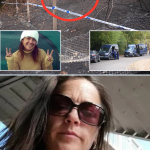
The first recording, filmed on August 30, shows deputies and a caseworker visiting May’s home on Pinewood Drive in Ladson.
May answers the door while holding Harlow. During the visit, officers enter the residence as part of the welfare check, while the children can be seen moving around the home.
Emory is shown sitting on a couch and drawing, while Harlow is seen crawling and interacting with her surroundings.
The footage also captures conversations between May, the officers and a caseworker about her relationship with the children’s father, Zack Deacon, and concerns that had prompted people to contact authorities.
At one point, May discusses a diaper rash affecting Harlow. When the caseworker asks about the child’s condition, May responds that it is a normal diaper rash and says she is uncomfortable with the questions.
The recording provides a snapshot of the household during that particular visit. However, footage from a single encounter cannot establish the children’s overall condition in the weeks that followed.
Authorities have said that deputies did not identify signs of immediate concern during several earlier visits.
:max_bytes(150000):strip_icc():focal(499x0:501x2):format(webp)/Justine-May-100226--03-c29fafdc87ac4ed3ba99ab2f057cbd8d.jpg) “HOW MAY I HELP YOU?” — A SECOND WELFARE CHECK
“HOW MAY I HELP YOU?” — A SECOND WELFARE CHECK
The second recording, dated September 12, shows an interaction outside the home’s front door.
May appears frustrated by the repeated visits and questions why authorities have returned to her residence.
She asks whether her former fiancé requested the check. The officer tells her that the call came from her parents.
During the conversation, May says she is not suicidal and denies experiencing certain mental-health symptoms when questioned by the officer.
She also expresses anger about what she describes as harassment by members of her family. She maintains that claims about her mental state are untrue.
At the end of the encounter, the discussion remains focused largely on the concerns raised by relatives and the strained relationships surrounding the family.
The recording does not, by itself, establish what ultimately happened to the children. It does, however, document one of the final publicly reported welfare-check interactions before the sisters were found dead.
AUTHORITIES HAD RESPONDED TO REPEATED CONCERNS
According to the Charleston County Sheriff’s Office, deputies visited May’s residence nine times between August 25 and September 20.
The agency said the visits were prompted by concerns from family members and others about May’s well-being and the safety of the children.
Six of the documented visits between August 25 and September 12 involved encounters in which deputies saw May and her daughters. One visit included the South Carolina Department of Social Services, while another involved a Mobile Crisis Unit.
Authorities said the children and the home appeared fine during the earlier encounters, and deputies did not identify an immediate threat that prompted further intervention at the time.
The September 20 visit was the last documented occasion on which deputies had in-person contact with May before returning to the home on September 29.
During the September 20 visit, May reportedly declined entry, saying the children were asleep.
The sheriff’s office has said it is reviewing dispatch records, body-camera footage and reports connected to the earlier calls to build a more complete timeline.
The release of the two recordings has intensified public interest in how authorities assessed the concerns and whether additional steps could have been taken.
THE CHILDREN WERE FOUND DEAD ON SEPTEMBER 29
On September 29, deputies returned to the Pinewood Drive residence for another welfare check.
According to investigative records, May came outside appearing incoherent and crying. Officers then entered the home and discovered both children deceased.
The coroner later determined that Emory and Harlow died from starvation and dehydration due to neglect. Investigators estimated that the girls had been dead for approximately three to five days before they were found.
According to an affidavit cited in media reports, May allegedly told investigators she had been in a “blur” for roughly two weeks and could not remember the last time she fed her daughters.
Those statements form part of the allegations against her and should be understood in that context. The criminal case will determine the legal consequences of the evidence presented.
May was arrested and charged in connection with both deaths.
FAMILY MEMBERS HAD RAISED CONCERNS
The children’s father, Zack Deacon, and other relatives had reportedly expressed concerns about the girls before they were found dead.
May and Deacon had ended their relationship in early August. According to reports, family members became increasingly worried as contact with the children became difficult.
Deacon has said through his lawyer that he sought help because he feared for his daughters’ safety. His legal representative has argued that the deaths could and should have been prevented.
The family’s concerns have become an important part of the public discussion surrounding the case, particularly following the release of the body-camera footage.
However, the full extent of what individual relatives told authorities, how each report was assessed and what information was available to deputies at each stage remains a matter for the ongoing investigation.
SHERIFF’S OFFICE FACES QUESTIONS OVER ITS RESPONSE
Following the footage’s release, Charleston County Sheriff Carl Ritchie said the department was continuing to review the circumstances surrounding the welfare checks.
The agency has defended its response, stating that deputies attended the residence multiple times and that the children did not appear to be in immediate danger during the encounters documented before their deaths.
The department is examining the available records to establish a complete timeline of the calls, visits and decisions made before September 29.
The case has prompted broader questions about how police, child-protection services and mental-health professionals share information when families raise repeated concerns about vulnerable children.
A welfare check can help authorities assess immediate safety, but its effectiveness depends on the information available, the circumstances observed and whether further intervention is warranted.
The central issue now is whether the earlier encounters and reports were handled appropriately under the circumstances known at the time.
The released footage alone does not resolve that question.
TWO LITTLE GIRLS REMEMBERED BY THEIR FAMILY
Beyond the investigation, the case has left a family grieving two very young children whose lives ended before they had the chance to grow up.
Emory and Harlow were remembered in a joint obituary as joyful little girls whose short lives were filled with music, dancing, laughter and familiar children’s programmes.
Emory was described as having a distinctive personality and speaking remarkably well for her age. Harlow was remembered for her happy nature and affectionate kisses.
Their deaths have drawn attention to the importance of responding to concerns about children who may be at risk, particularly when several people independently seek help.
For those who knew the sisters, the focus remains on the lives they should have been able to lead and the future that was taken from them.
WHAT HAPPENS NEXT?
The Charleston County Sheriff’s Office has said it is continuing to examine evidence related to the earlier welfare checks, including footage and reports that have not yet been made public.
The agency has indicated that additional material may be released after it has been reviewed and redacted where necessary.
Meanwhile, the criminal case against May remains a separate process. She has been charged, but the allegations must be addressed through the courts.
The newly released footage has provided a clearer view of two encounters before the tragedy, but it has not answered every question about what authorities knew, how they assessed the risks or whether different decisions could have changed the outcome.
As the investigation continues, the case has become a painful reminder of the challenges involved in protecting children when concerns are raised but the full extent of the danger is not immediately apparent.
Two young sisters are gone, and investigators are still working to establish the full sequence of events that preceded their deaths. The questions surrounding the welfare checks — and whether more could have been done — remain central to the search for answers.