Trump Posts AI Video of Himself Playing With Tiger After Fatal UK Wildlife Park Attack Sparks Outrage
Trump Posts AI Video of Himself Playing With Tiger After Fatal UK Wildlife Park Attack Sparks Outrage
SEO Title: Trump’s AI Tiger Video Sparks Backlash After Fatal UK Attack
Meta Description: Donald Trump shared an AI-generated video of himself playing with a tiger hours after posting footage of a fatal UK wildlife park attack, prompting criticism and a plea from the victim’s family.
Trump’s AI Tiger Video Draws Criticism After 23-Year-Old Man’s Death
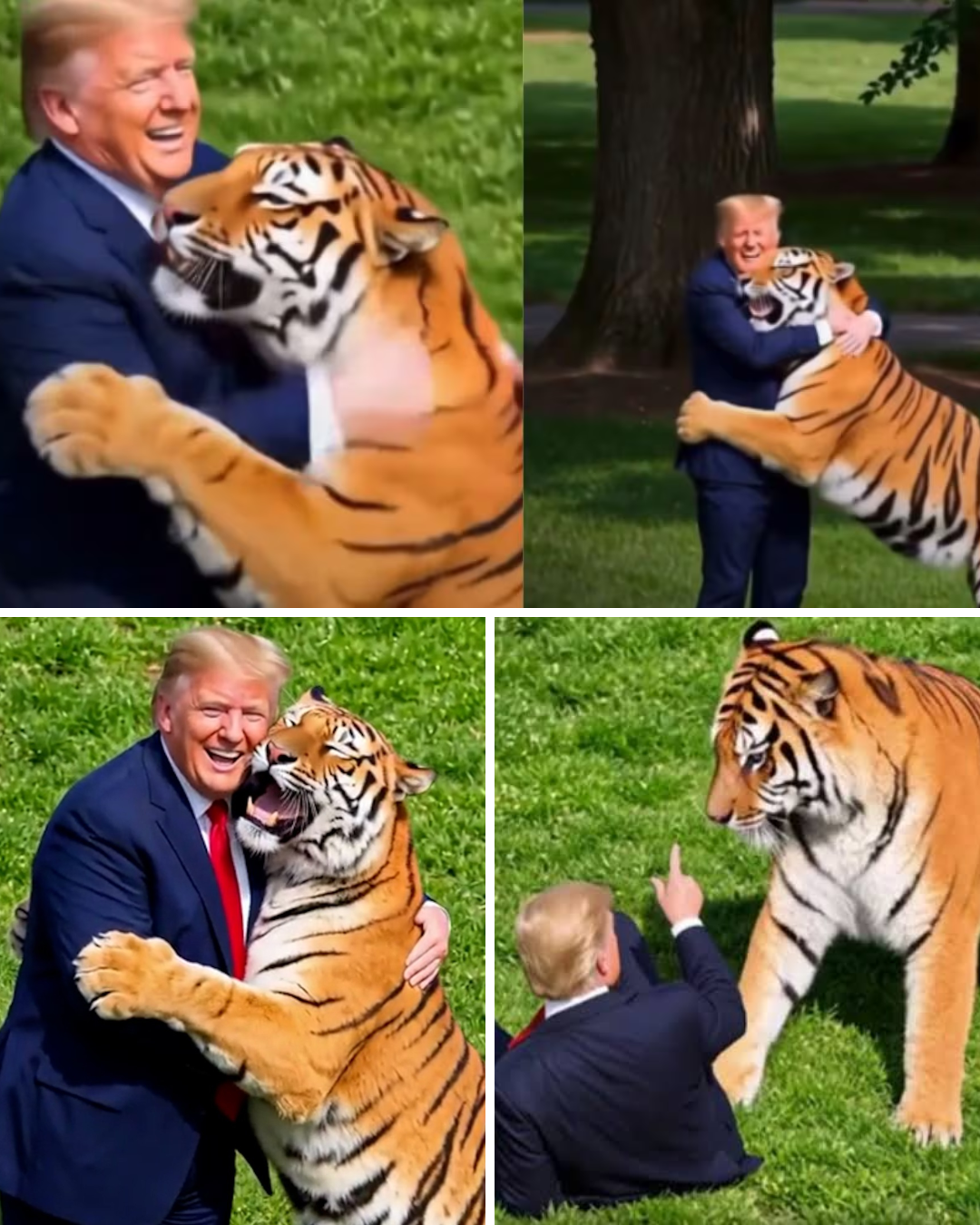
President Donald Trump has drawn criticism after sharing an AI-generated video depicting himself chasing, wrestling with and embracing a tiger, just hours after posting footage of a fatal tiger attack at a wildlife park in England.
The video appeared on Trump’s Truth Social account on Tuesday, October 13, 2026, following his earlier post about the death of William Chapman, a 23-year-old man who was fatally attacked by a tiger at Yorkshire Wildlife Park near Doncaster, England.
The timing of the two posts has intensified scrutiny of the president’s social media activity, particularly as Chapman’s family has publicly appealed for people to stop circulating footage and other content connected to his death.
According to reporting by The New York Post and The Guardian, the family said the circulation of deeply offensive media was causing them severe distress during an exceptionally difficult period. <Cite refs={[“turn252960news15″,”turn252960news16”]}/>
The Two Videos That Sparked the Controversy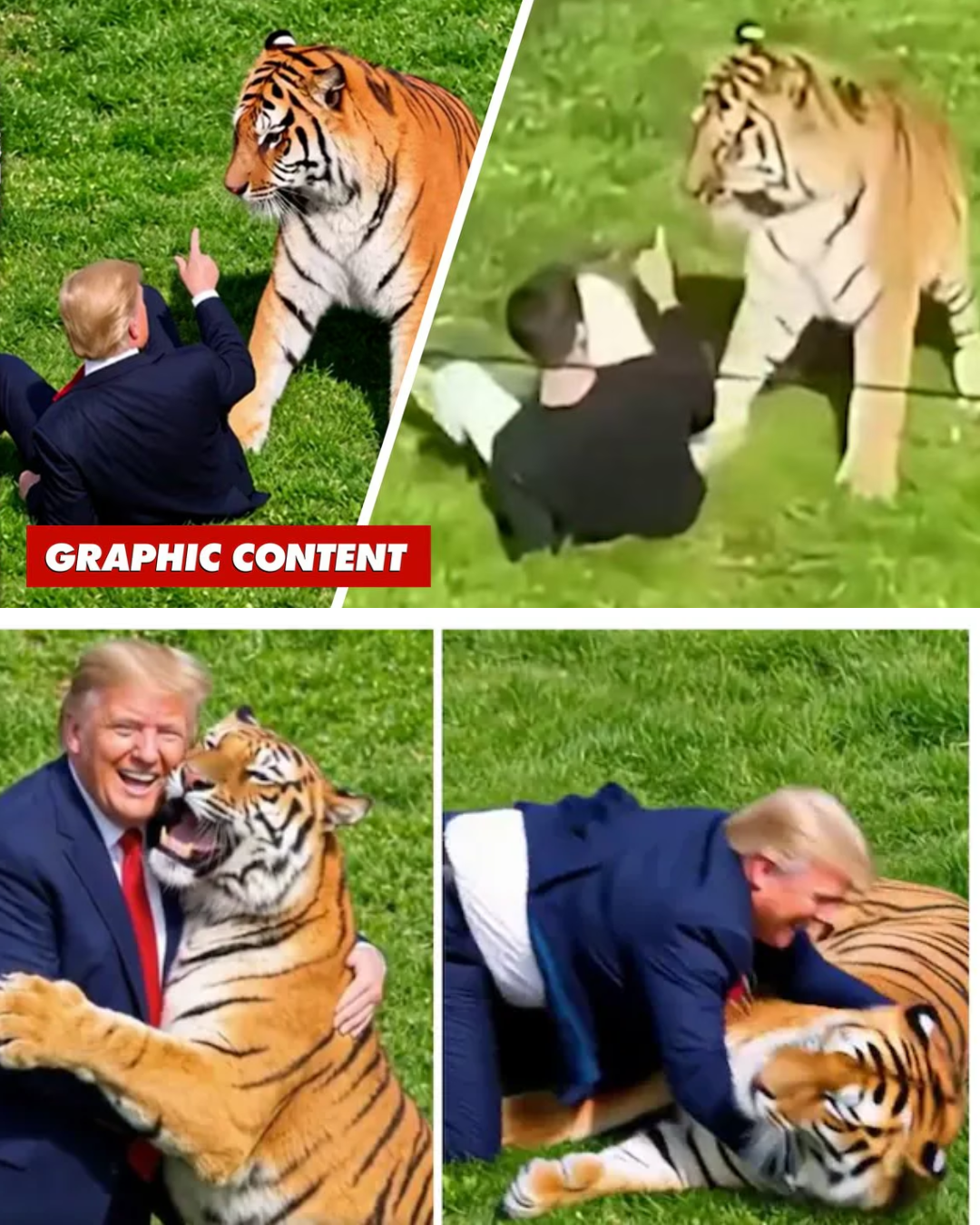
Earlier on Tuesday, Trump shared footage showing the tiger attacking Chapman inside its enclosure. He accompanied the post with the caption, “Don’t ever mess with nature!”
The footage circulated widely online, drawing attention to the circumstances surrounding the young man’s death.
Several hours later, Trump posted a separate AI-generated video showing a fictionalized version of himself interacting with a tiger.
In the artificial clip, Trump appears in a blue suit and red tie as he approaches the animal, chases it and engages in playful wrestling before embracing it. The video is accompanied by the song “The Lion Sleeps Tonight.”
The contrast between the real-life fatal incident and the lighthearted AI depiction quickly became a central point of criticism.
The AI video was not genuine footage of Trump interacting with the animal. Instead, it portrayed a digitally generated scenario that appeared to echo elements of the earlier tiger-attack footage. <Cite refs={[“turn252960news15″,”turn252960news17”]}/>
William Chapman’s Family Makes an Emotional Appeal
As the videos spread online, Chapman’s family released a statement expressing the devastating impact of his death and the continued circulation of related content.
The family described Chapman as a warm, bright and engaging young man who was deeply loved by his relatives. They also disclosed that he had experienced significant mental health difficulties over a number of years and had been prescribed strong medication.
His family stressed that the circumstances surrounding his death should be examined through the appropriate investigative process.
They also asked the public to stop sharing material connected to the incident, explaining that its circulation was causing them severe emotional distress.
Their appeal has placed renewed attention on the responsibilities of social media users and public figures when sharing footage of fatal incidents involving identifiable victims.
For grieving relatives, the widespread distribution of such material can mean repeatedly encountering distressing images at a time when they are trying to come to terms with their loss. <Cite refs={[“turn252960news16″,”turn252960news17”]}/>
Wildlife Conservation Advocates Raise Safety Concerns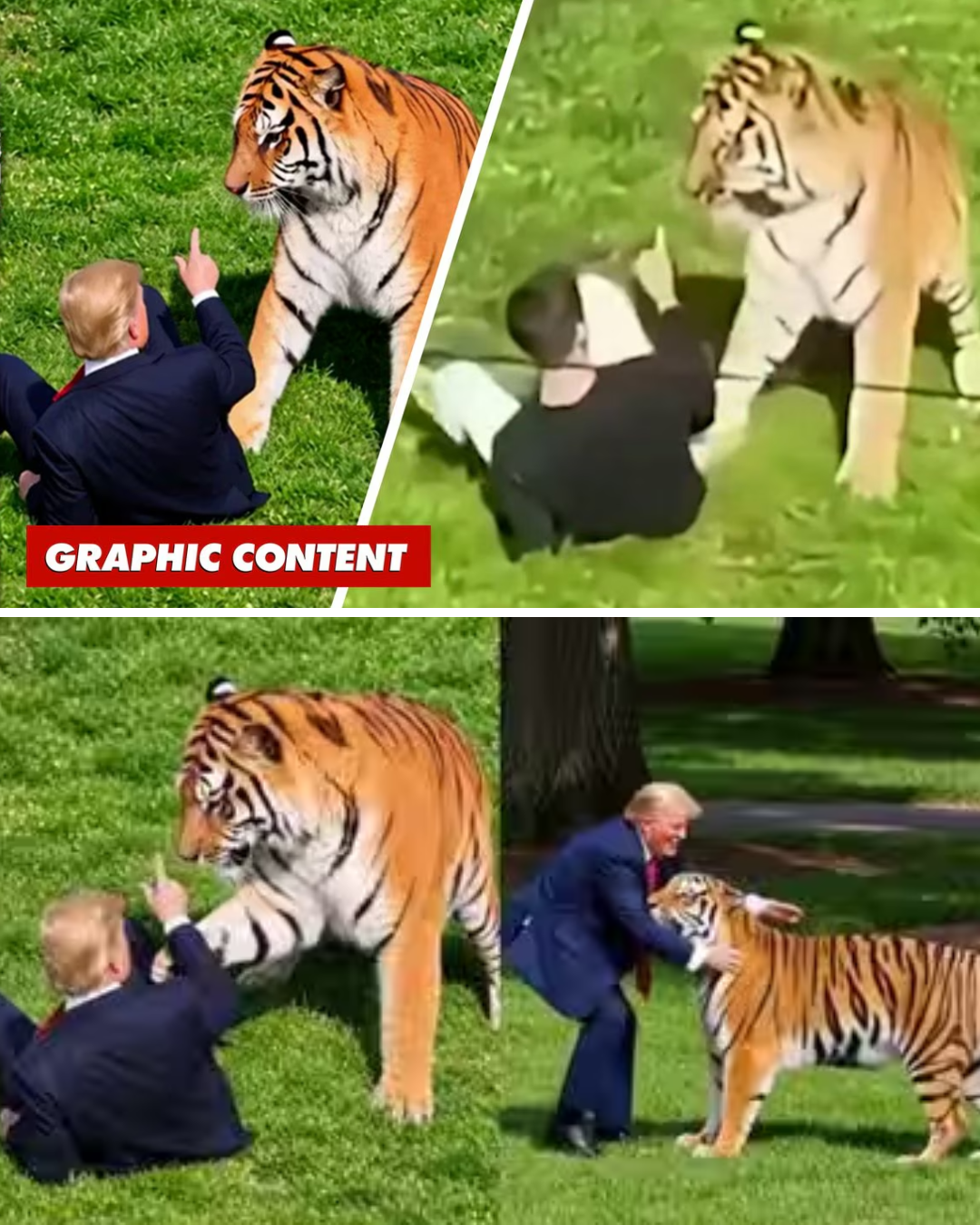
The criticism has extended beyond the impact on Chapman’s family.
Will Travers, executive president of the Born Free Foundation, criticized the AI-generated video as insensitive and warned that portrayals of people engaging playfully with dangerous captive animals could encourage unrealistic expectations about human-animal interactions.
Large predators, including tigers, remain dangerous even when housed in managed wildlife facilities. Images that portray close contact as harmless can obscure the risks involved.
The concern raised by wildlife advocates is not limited to whether an individual video is intended as satire or entertainment. It also concerns how digitally manipulated content may influence perceptions of wildlife and the behavior of viewers.
AI-generated videos can create convincing scenes that never happened. When those scenes closely resemble a real tragedy, questions about context, judgment and the potential consequences of sharing them become particularly significant. <Cite refs={[“turn252960news16″,”turn252960news17”]}/>
Investigation Continues Into the Fatal Tiger Attack
Authorities are still examining the circumstances that led to Chapman’s death.
The incident occurred at Yorkshire Wildlife Park in Doncaster on Saturday, October 10. Reports identified the tiger involved as Altai, an Amur tiger also known as a Siberian tiger.
The wildlife park confirmed that the animal would not be euthanized. Doncaster City Council, which has responsibility for licensing the facility, began a health and safety investigation.
An inquest was also scheduled to begin at Doncaster Coroner’s Court to examine the circumstances surrounding Chapman’s death.
His family has asked the public to respect the investigative process rather than draw premature conclusions about why he entered the enclosure or what factors may have contributed to the tragedy. <Cite refs={[“turn252960news16″,”turn252960news17”]}/>
A Broader Question About AI and Social Media Responsibility
The controversy highlights a growing challenge in the digital age: how should AI-generated content be handled when it draws directly on a real person’s death?
Supporters of creative expression may argue that digitally altered videos can serve as satire, commentary or entertainment. Critics counter that the timing and context of such content matter, especially when a victim’s family is publicly asking for privacy and restraint.
The distinction between authentic footage and AI-generated imagery is also crucial. Viewers need to understand what actually happened, what has been digitally fabricated and what remains unknown.
In this case, the AI-generated video did not depict a real encounter between Trump and the tiger. However, its appearance shortly after the president shared footage of the fatal attack became a focal point of criticism.
The incident also serves as a reminder that public figures can amplify content to enormous audiences, potentially extending its reach far beyond its original source.
For Chapman’s family, the immediate concern remains the loss of their loved one and the distress caused by the continued circulation of related material.
As the investigation proceeds, the circumstances of his death should be established through evidence and the appropriate legal process.
The larger question remains: In an era when AI can turn a real tragedy into digital entertainment, where should the line be drawn between online expression and respect for the people left behind?