Christa Pike’s Recovery Takes a Dramatic Turn After Failed Execution: From Life Support to Walking Again
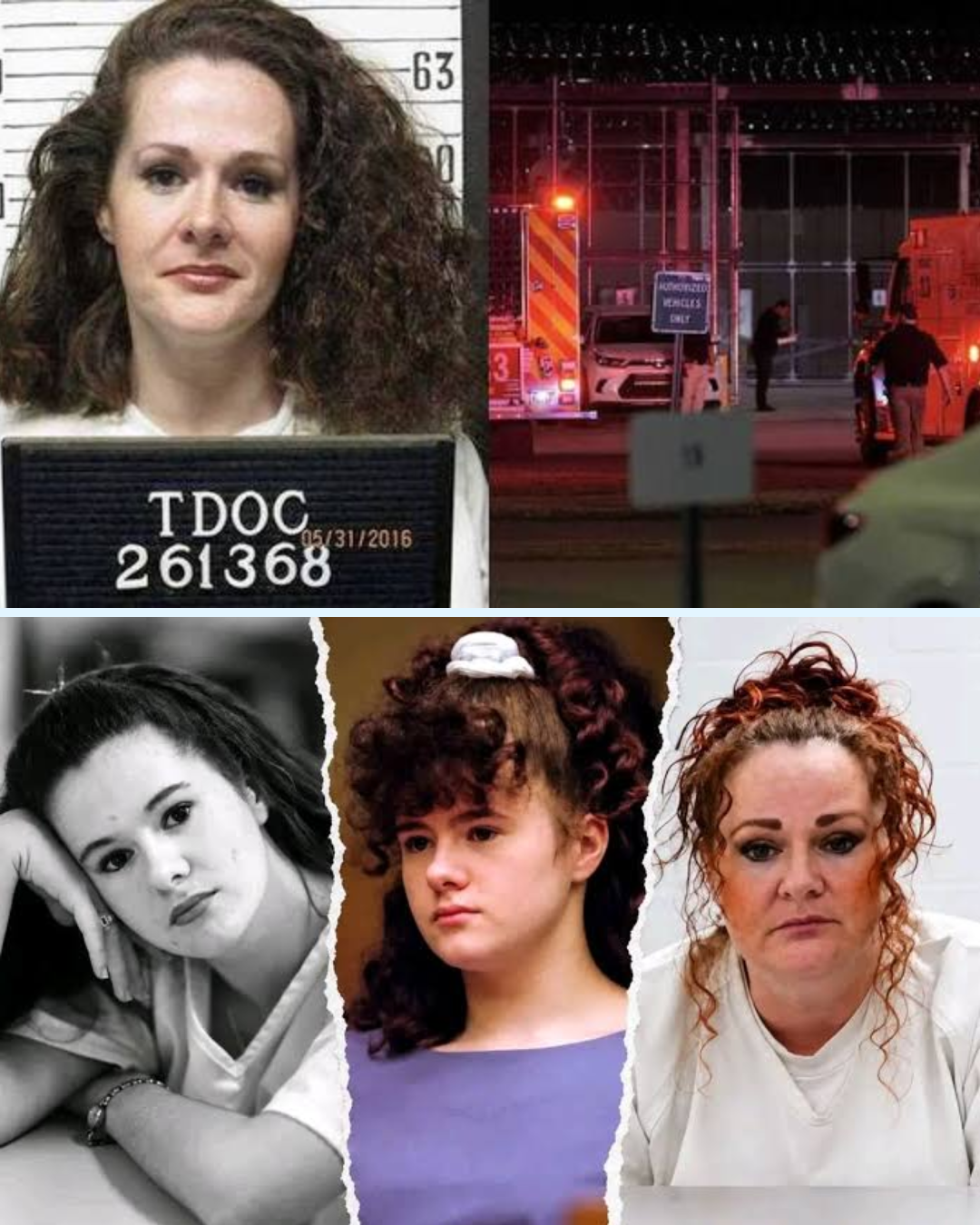
Christa Pike’s Recovery Takes a Dramatic Turn After Failed Execution: From Life Support to Walking Again
SEO Title: Christa Pike Recovery Update: Walking After Failed Execution
Meta Description: Christa Pike began walking with assistance after surviving Tennessee’s failed execution attempt. Her recovery and the questions surrounding the procedure remain under scrutiny.
Christa Pike was once believed to be facing the final hours of her life. Then, in a development that stunned even members of her legal team, she regained consciousness and began taking steps again.
The Tennessee death row inmate survived a failed execution attempt on September 30, 2026, after officials administered two doses of the lethal injection drug pentobarbital. She was rushed to a hospital in critical condition, initially unconscious and dependent on a ventilator.
Within days, her condition began to change.
Her attorneys reported that she had awakened, started speaking and taken her first limited steps with assistance. She also began eating again, marking a significant development after the medical crisis.
But the improvement did not mean her ordeal was over. Her lawyers warned that serious questions remained about the long-term effects of the procedure, including injuries to her arms and concerns about her cognitive recovery.
From Critical Condition to Taking Her First Steps
In the days immediately following the failed execution, Pike’s prognosis appeared uncertain.
According to statements from her legal team, she remained unconscious and on a ventilator during the early stages of her hospitalization. At one point, her attorneys feared she might not survive.
Then came an unexpected change.
Pike regained consciousness and began communicating with medical staff. Her attorneys subsequently reported that she had started walking short distances, initially taking limited steps before progressing to walking with some assistance.
She also began eating again and showed signs of recovering movement and strength in her arms.
The progress was encouraging, but her attorneys emphasized that physical improvement did not necessarily mean she had fully recovered.
They said uncertainty remained about the lasting effects of the ordeal, particularly regarding her concentration and cognitive functioning.
What Happened During Tennessee’s Failed Execution?
Pike, 50, was scheduled to be executed on September 30 for the 1995 murder of her classmate, Colleen Slemmer.
During the execution attempt at Riverbend Maximum Security Institution in Nashville, officials administered two doses of pentobarbital.
But Pike remained alive.
Media witnesses reported that she continued breathing after the drugs were administered. The procedure was halted, and she was transported to a hospital for emergency treatment.
Her attorneys later said she arrived with significant swelling, burns and blisters on her arms.
The incident raised urgent questions about how the lethal injection had been administered and why the procedure did not produce the intended result.
Tennessee officials said the execution protocol had been followed, but the state has not publicly provided a complete explanation for what went wrong.
Her Physical Recovery Does Not Tell the Whole Story
Although Pike’s ability to walk and eat again represented progress, her attorneys cautioned against interpreting those developments as a complete recovery.
They described her physical improvement as remarkable while warning that the long-term consequences remained uncertain.
Reports from her legal team also described confusion, difficulty concentrating and trouble maintaining her train of thought after she regained consciousness.
The injuries to her arms presented another concern, with her attorneys reporting pain and limited movement.
The extent to which these difficulties might persist has not been definitively established.
For that reason, her recovery remains a medical and legal issue rather than a story with a clear resolution.
Pike Has Since Returned to Prison
On October 10, her attorneys announced that Pike had been discharged from the hospital and returned to the Debra K. Johnson Rehabilitation Center in Nashville.
She had been held at the facility for more than three decades.
Her legal team said she would continue receiving medical care in prison and that they would continue monitoring her condition.
The transfer marked another stage in her recovery, but it did not resolve the questions surrounding the failed execution or determine whether she would face another attempt in the future.
Her attorneys have also continued to challenge the circumstances surrounding the procedure and pursue legal protections related to the incident.
The Investigation Raises Questions About Execution Procedures
Pike’s survival has intensified scrutiny of Tennessee’s lethal injection process.
Medical experts have raised the possibility that problems with the intravenous lines could have affected how the drug entered her body. Her attorneys have also questioned whether the execution team properly established the IV access before administering the drugs.
Those possibilities have not been established as the definitive cause of the failure.
A judge has ordered the preservation of evidence connected to the execution attempt, including relevant recordings and materials that could help establish what happened inside the execution chamber.
The state has also faced broader questions about its execution procedures. Gov. Bill Lee postponed the remaining scheduled executions for 2026 while a review was undertaken, and the state’s prison leadership underwent a significant change following the incident.
The findings of the review will be important in determining what went wrong and whether procedural failures contributed to Pike’s survival.
What Happens Next for Christa Pike?
Pike’s medical recovery and her legal future remain closely connected.
Her attorneys have argued that the failed execution and its consequences warrant reconsideration of her sentence. They have sought clemency, including a sentence of life imprisonment without the possibility of parole.
However, her survival does not automatically change her death sentence, and the legal consequences of the failed procedure remain unresolved.
Officials have not provided a definitive public explanation for the execution failure, leaving questions about responsibility, procedure and the possibility of further legal action.
For now, Pike remains incarcerated while receiving ongoing medical care.
An Unexpected Recovery, With Important Questions Still Unanswered
Christa Pike’s progress from unconsciousness and ventilator support to walking with assistance marked a dramatic change in the days after Tennessee’s failed execution attempt.
Yet the improvement came alongside reported injuries, cognitive concerns and uncertainty about her long-term health.
Her return to prison represents a new phase in the story, not its conclusion.
As investigators examine the procedure and her attorneys continue their legal efforts, the central questions remain: What caused the execution to fail, what lasting effects will Pike face, and what will happen to her sentence now?