DOCTOR WHO HELPED CONVICT LUCY LETBY NOW SAYS HE IS ‘NO LONGER CERTAIN’ SHE COMMITTED THE MURDERS
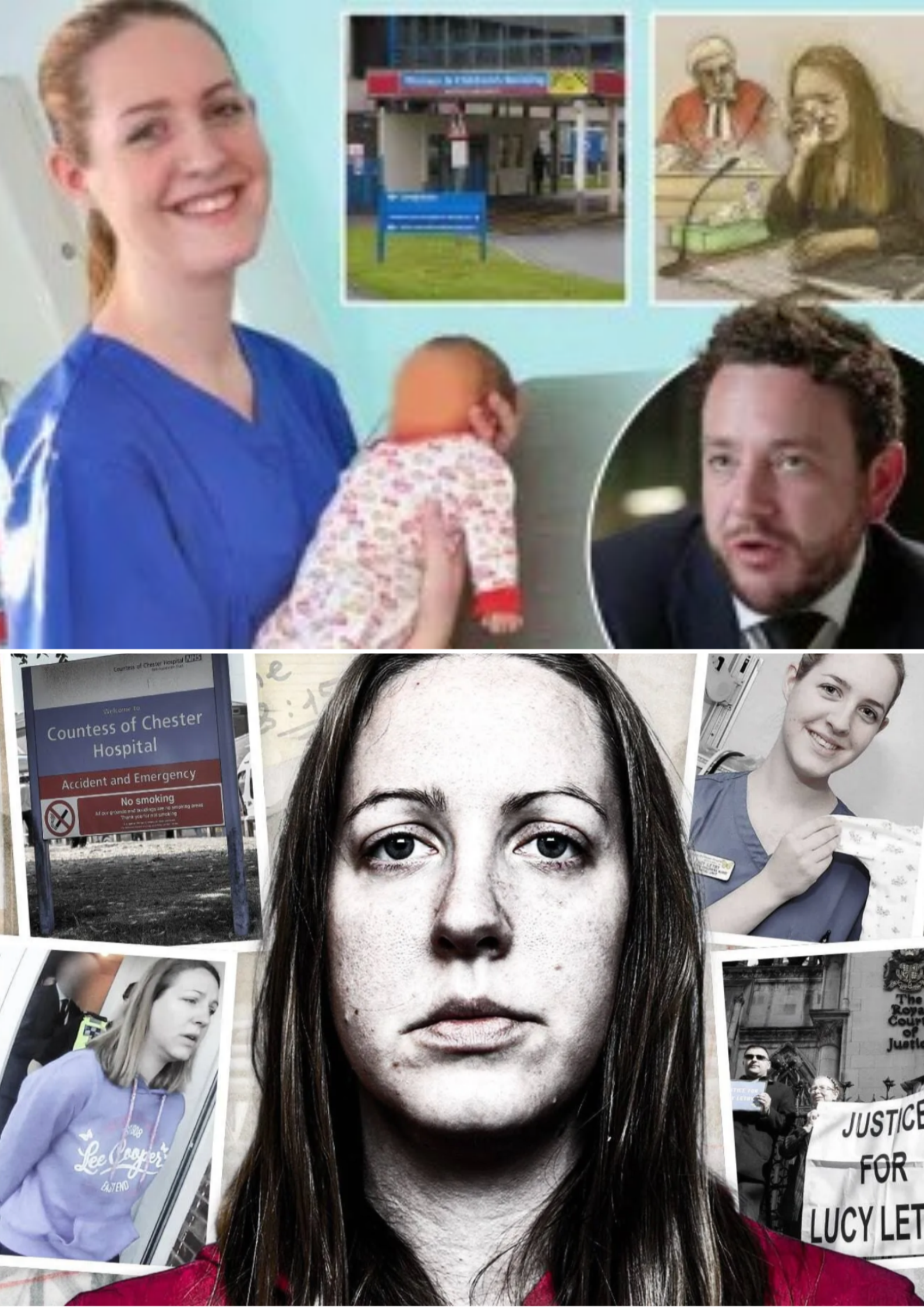
DOCTOR WHO HELPED CONVICT LUCY LETBY NOW SAYS HE IS ‘NO LONGER CERTAIN’ SHE COMMITTED THE MURDERS
CHESTER, England — A retired pediatrician whose evidence helped convict nurse Lucy Letby has publicly acknowledged that he is no longer certain she was responsible for the deaths and collapses of babies at the Countess of Chester Hospital.
Dr. John Gibbs, one of the consultants whose evidence was used during Letby’s trials, has said he now believes a retrial could be appropriate as questions continue to be raised about the medical evidence surrounding the case.
Asked whether he remained certain that Letby had murdered the babies, Gibbs answered simply: “No.”
His comments do not overturn Letby’s convictions. She remains convicted and imprisoned, and two previous applications for permission to appeal have been rejected.
 A REMARKABLE CHANGE IN POSITION
Gibbs previously gave evidence during the criminal proceedings and had himself raised concerns about what was happening on the neonatal unit.
The Thirlwall Inquiry’s final report, published in September 2026, documented serious failures in hospital management and governance. It found a major gap between hospital leadership and clinicians and concluded that safeguarding procedures were not properly activated when concerns emerged.
Gibbs told the BBC after publication of the report that it made for “grim reading” and said he wished the consultants had been brave enough to take their suspicions to police sooner.
The inquiry itself, however, made clear that it was not an investigation into Letby’s criminal convictions or guilt. Its chair said the report was not intended to replace the criminal appeal process, which remains separate.
 “THERE MAY NOT HAVE BEEN ANY DELIBERATE HARM”
In comments reported by The Sun, Gibbs said he now has a “very small concern” that there may not have been deliberate harm involved in the babies’ collapses and deaths.
He also said that if Letby was not responsible, he did not believe another person was deliberately harming the babies.
Instead, he said the central question should be why so many babies collapsed unexpectedly on the neonatal unit during 2015 and 2016.
Gibbs acknowledged that renewed doubts about the convictions are deeply distressing for the babies’ families.
But he argued that the emotional impact should not prevent new evidence from being examined if it could potentially undermine the convictions.
THE CASE AGAINST LUCY LETBY
Letby was convicted in 2023 of murdering seven babies and attempting to murder six others at the Countess of Chester Hospital.
During a retrial in 2024, she was also convicted of attempting to murder another baby.
She received whole-life sentences and continues to maintain her innocence.
The prosecution case relied heavily on medical evidence, hospital records, staffing information and other circumstantial evidence presented to juries.
The evidence has also been the subject of continuing debate among medical and statistical experts outside the courtroom. Some have questioned aspects of the medical interpretation used during the trials, while other experts and prosecutors have continued to support the convictions.
THE THIRLWALL INQUIRY ADDS NEW SCRUTINY
The timing of Gibbs’ comments is significant because they came shortly after the publication of the final report of the Thirlwall Inquiry.
Lady Justice Kathryn Thirlwall described dysfunctional management and governance at the hospital and identified failures to understand fundamental safeguarding responsibilities.
The report examined what happened at the hospital before, during and after the period when babies died or collapsed.
However, it did not conclude that Letby was innocent or guilty.
That distinction is important.
The criminal convictions remain legally valid unless and until they are overturned through the courts.
NO CONFIRMED “SECRET PRESSURE”
Despite online claims that Gibbs was somehow forced to change his position, there is currently no reliable public evidence establishing that hidden pressure caused his change of view.
What Gibbs has publicly described instead is a growing concern about unanswered questions surrounding the medical evidence and the circumstances of the babies’ collapses.
He has also acknowledged that he does not agree with every argument made by people who believe Letby is innocent.
His position is therefore more nuanced than simply declaring that the convictions were wrong.
WHAT HAPPENS NEXT?
Letby’s legal team continues to pursue avenues for challenging her convictions, while the Criminal Cases Review Commission is considering material relating to her case.
The CPS also confirmed in August 2026 that a review of decisions concerning six further alleged offences upheld the decision not to bring additional charges against Letby.
For the families of the babies involved, the renewed debate is deeply painful.
For Gibbs, however, the question he now wants examined is whether the evidence fully explains why so many babies became critically unwell.
His dramatic change in certainty has reopened public discussion surrounding one of Britain’s most closely watched criminal cases.
But for now, one fact remains unchanged:
Lucy Letby’s convictions remain in force.
And whether any new evidence is sufficient to change that outcome remains a matter for the established legal process.