New Juror Allegations Could Change Everything in Lindsay Clancy’s Case — Will There Be a Second Trial?
SEO Title: Lindsay Clancy Case Update: Juror Controversy and Retrial
Meta Description: New questions surrounding a holdout juror have intensified the legal battle in Lindsay Clancy’s case as prosecutors weigh whether to pursue a second trial.
One juror stood firm. Eleven others reportedly favored finding Lindsay Clancy not criminally responsible. And now, the man at the center of the deadlocked trial is speaking out.
The case against the Massachusetts mother, accused of killing her three young children, has entered another uncertain chapter following fresh scrutiny of the lone juror who opposed an acquittal on grounds of insanity.
Michael Desronvil recently gave his first interview since the trial ended in a mistrial on September 4, 2026. He defended his decision, saying he believed the evidence showed that Clancy understood what she was doing when her children died.
His comments have added another layer to a legal dispute that was already far from over.
Clancy’s defense has questioned whether the juror answered screening questions truthfully and whether his conduct during deliberations was appropriate. Her attorneys have asked the court to investigate those concerns and have argued that a second trial should not proceed.
But the judge has not dismissed the criminal case, and prosecutors have yet to announce whether they will try Clancy again.
The Juror at the Center of the Controversy Finally Speaks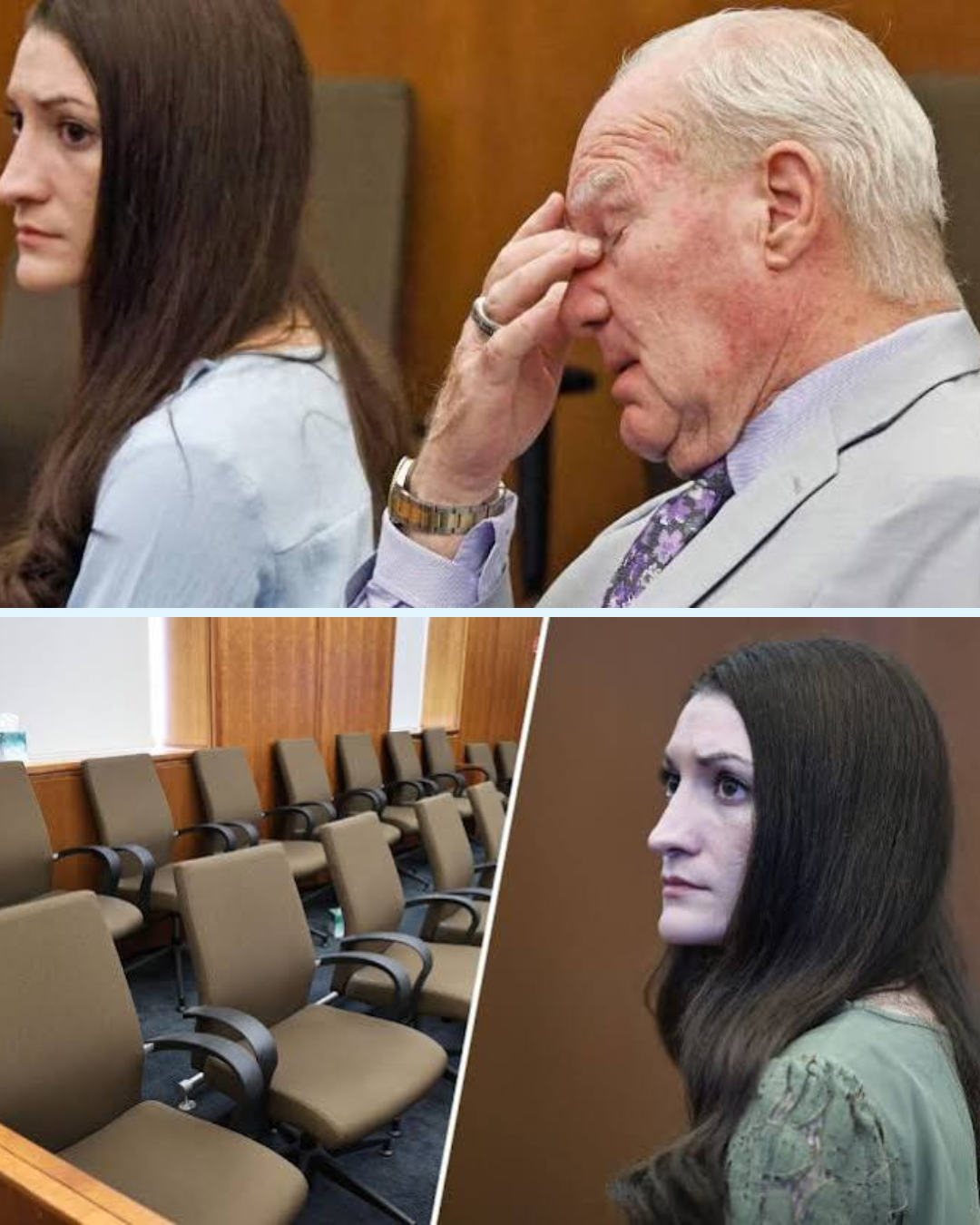
In an interview aired on October 15, Desronvil explained why he could not support finding Clancy not criminally responsible.
He said he was struck by what he viewed as the methodical nature of the killings and believed the evidence supported the prosecution’s argument that Clancy knew her actions were wrong.
Desronvil also rejected the suggestion that he had doubts about his decision, maintaining that he based his position on the evidence presented during the trial.
His account differs sharply from the defense’s characterization of the jury deliberations.
Clancy’s attorneys have argued that the holdout juror failed to follow the judge’s instructions concerning reasonable doubt. They have also raised questions about whether he properly disclosed information during jury selection.
Desronvil has defended his conduct and said he answered the questions put to him truthfully.
The competing accounts have made the juror’s role a major issue in the post-trial proceedings.
Why the First Trial Ended Without a Verdict
Clancy’s murder trial ended in a mistrial on September 4 after jurors failed to reach a unanimous decision following seven days of deliberations.
The reported split was 11 to 1, with eleven jurors favoring a finding that Clancy was not criminally responsible because of mental illness.
The disagreement centered on a fundamental legal question: whether Clancy understood the wrongfulness of her actions when her three children died in January 2023.
Her defense argued that she was experiencing postpartum psychosis, a severe psychiatric condition that can involve delusions and a loss of contact with reality.
Prosecutors maintained that the evidence showed she understood what she was doing and should be held criminally responsible.
The jury’s inability to agree left the case unresolved, with no verdict of guilt or acquittal.
A mistrial does not automatically mean the charges disappear. Prosecutors may pursue another trial, consider other legal options or decide not to proceed.
The Defense Is Challenging the Juror’s Conduct
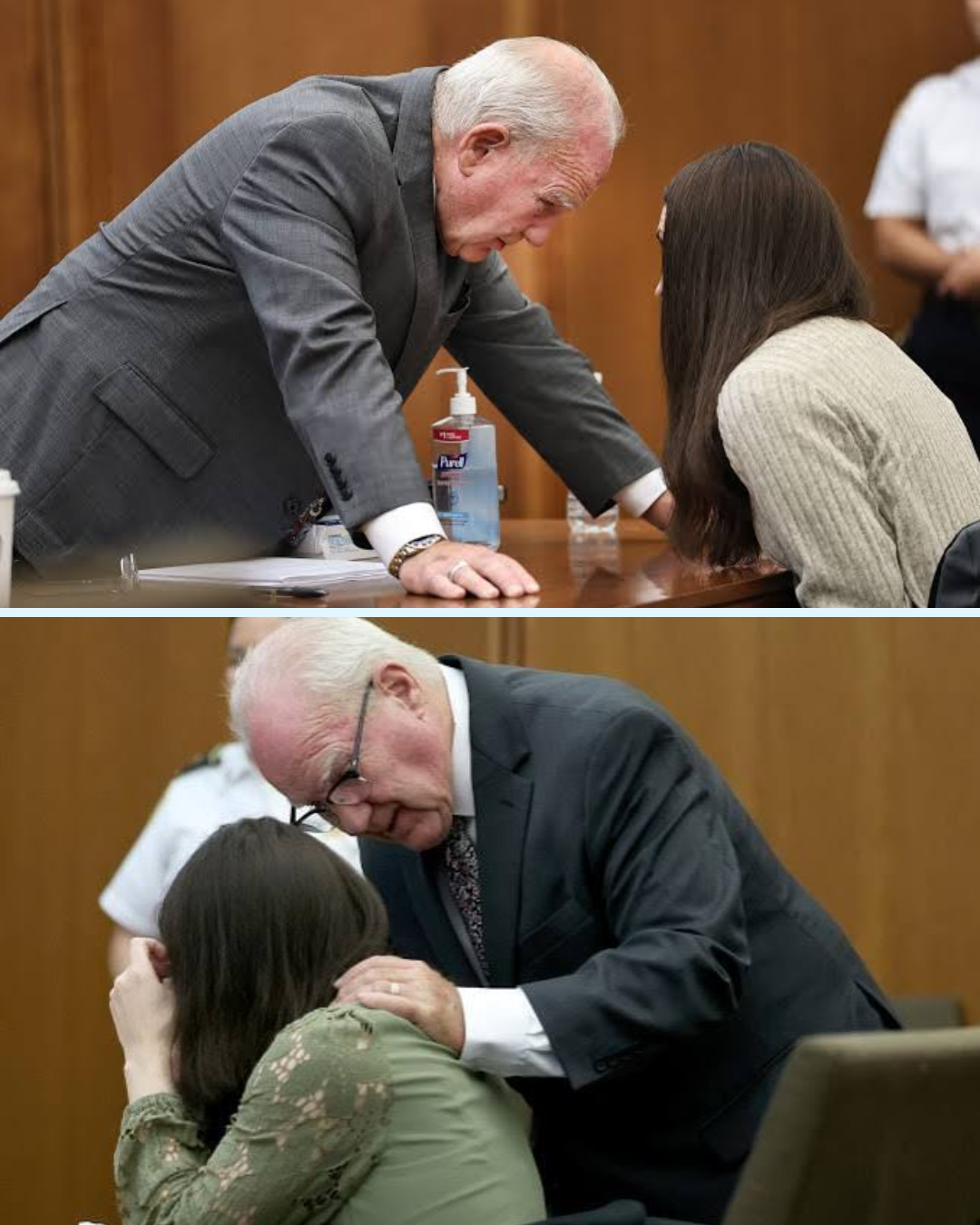
Following the mistrial, Clancy’s attorney, Kevin Reddington, asked the court to investigate Desronvil’s conduct.
The defense raised several concerns, including allegations about his use of a cellphone during deliberations and questions about his responses to jury-selection questions concerning prior legal issues.
The defense also argued that the court should examine jury notes and the circumstances surrounding the impasse before allowing another trial.
These are allegations raised by the defense, not findings that the juror committed misconduct.
Desronvil has disputed claims about his conduct, and the court has not established that the allegations justify dismissing the case.
The dispute matters because the defense is seeking more than a review of the jury’s disagreement. It is also challenging whether another prosecution would be legally permissible.
A Judge Has Already Rejected One Major Defense Request
The legal battle has faced a significant setback.
On October 1, Judge William Sullivan rejected the defense’s request to find Clancy not guilty because of insufficient evidence.
The judge concluded that prosecutors had presented enough evidence for a jury to determine whether she was criminally responsible for the deaths.
That ruling did not establish Clancy’s guilt. Instead, it meant the case could not be dismissed on the specific grounds raised in that motion.
The defense continues to challenge the possibility of a second trial, including through arguments involving the juror dispute and constitutional protections against being tried twice for the same offense.
Those arguments remain separate from the question of whether prosecutors will ultimately pursue another trial.
What Happened to Lindsay Clancy’s Three Children?
The case stems from the deaths of Clancy’s children at the family’s home in Duxbury, Massachusetts, on January 24, 2023.
Cora, 5, Dawson, 3, and eight-month-old Callan died after being strangled with exercise bands, according to evidence presented in court.
Clancy, a former labor and delivery nurse, also seriously injured herself and jumped from a second-story window in an apparent suicide attempt. She survived but was left paralyzed from the waist down.
The defense did not dispute the deaths during the original trial. Instead, it argued that Clancy’s mental condition meant she should not be held criminally responsible.
Prosecutors presented a different interpretation, arguing that she understood the nature and wrongfulness of her actions.
The jury’s deadlock reflected its inability to reach a unanimous conclusion on that question.
Will Lindsay Clancy Face a Second Trial?
For now, the answer remains uncertain.
Plymouth County prosecutors have not publicly committed to retrying Clancy. They could pursue the original first-degree murder charges, consider lesser charges or decide against another prosecution.
The defense, meanwhile, is pressing for dismissal and challenging the circumstances surrounding the first trial.
A further court hearing is scheduled for November 2, 2026, when the judge is expected to address outstanding post-trial issues, including the defense’s requests concerning the juror and the possibility of a retrial. The schedule could change.
Clancy remains in psychiatric care while the criminal case is pending.
Even if prosecutors decide to proceed, additional legal disputes could affect the timing and structure of any future trial.
A Case Still Divided by One Unresolved Question
The latest developments have shifted attention back to the juror whose decision prevented a unanimous verdict.
His public defense of his position has intensified the debate, but it has not resolved the allegations raised by Clancy’s attorneys or determined whether the case will return to trial.
At the heart of the proceedings is a difficult legal distinction: the difference between establishing that an act occurred and determining whether the accused was legally responsible because of her mental state at the time.
The court must also address the procedural questions raised by the defense before the next phase of the case becomes clear.
Will the judge allow the prosecution to move forward with a second trial, or will the defense’s challenges to the jury process change the course of the case?
For now, Lindsay Clancy’s legal future remains unresolved.