911 RECORDINGS REVEAL A 30-MINUTE DELAY AFTER CHRISTA PIKE’S FAILED EXECUTION — WHAT HAPPENED BEHIND THE PRISON GATES?
911 RECORDINGS REVEAL A 30-MINUTE DELAY AFTER CHRISTA PIKE’S FAILED EXECUTION — WHAT HAPPENED BEHIND THE PRISON GATES?
Newly released emergency dispatch recordings reveal confusion between Tennessee prison officials and first responders after Christa Pike survived a September 30 execution attempt. The timeline raises urgent questions about why medical help was delayed and how the emergency was handled.
The recordings offer a troubling glimpse into the moments after Christa Pike survived Tennessee’s failed lethal-injection attempt—and when emergency responders were trying to reach her.
According to reporting by the Associated Press, the first 911 call came at approximately 8:40 p.m. on September 30, 2026, just over an hour after the execution procedure began at Riverbend Maximum Security Institution in Nashville.
The caller reported that officials had administered pentobarbital but Pike was still alive and needed an ambulance. However, the caller could not provide a verification code requested by the dispatcher, setting off a chain of calls to determine whether the emergency request was genuine.
 “WE HAVE BEEN INFORMED IT IS A FALSE CALL”
At approximately 9:03 p.m., a dispatcher said supervisors had been told the call was false and that no medical assistance was needed at the prison.
But the uncertainty did not end there.
Four minutes later, a responder reported that someone at the prison gate was insisting the emergency was real and demanding that emergency personnel be allowed inside.
The recordings show officials continuing to seek confirmation as responders waited outside the facility.
At around 9:11 p.m., prison officials confirmed the emergency request was legitimate and responders began entering the grounds. An Associated Press reporter later witnessed an ambulance and fire trucks arriving at a building inside the prison complex at approximately 9:14 p.m.
The timeline indicates that more than 30 minutes passed between the first call and confirmation that emergency responders could enter.
 PIKE’S ATTORNEY ALSO CALLED 911
The released records also include a separate emergency call from Pike’s attorney, Kelly Gleason, who contacted 911 at approximately 9:08 p.m.
Gleason told the dispatcher that Pike had undergone the execution procedure, was still alive and needed immediate life-saving care.
The call added to the growing record of attempts to obtain medical assistance while the emergency response was being coordinated.
The recordings document the communication breakdown, but they do not answer every question about the decisions made inside the prison or explain why the execution attempt failed.
WHAT HAPPENED TO CHRISTA PIKE?
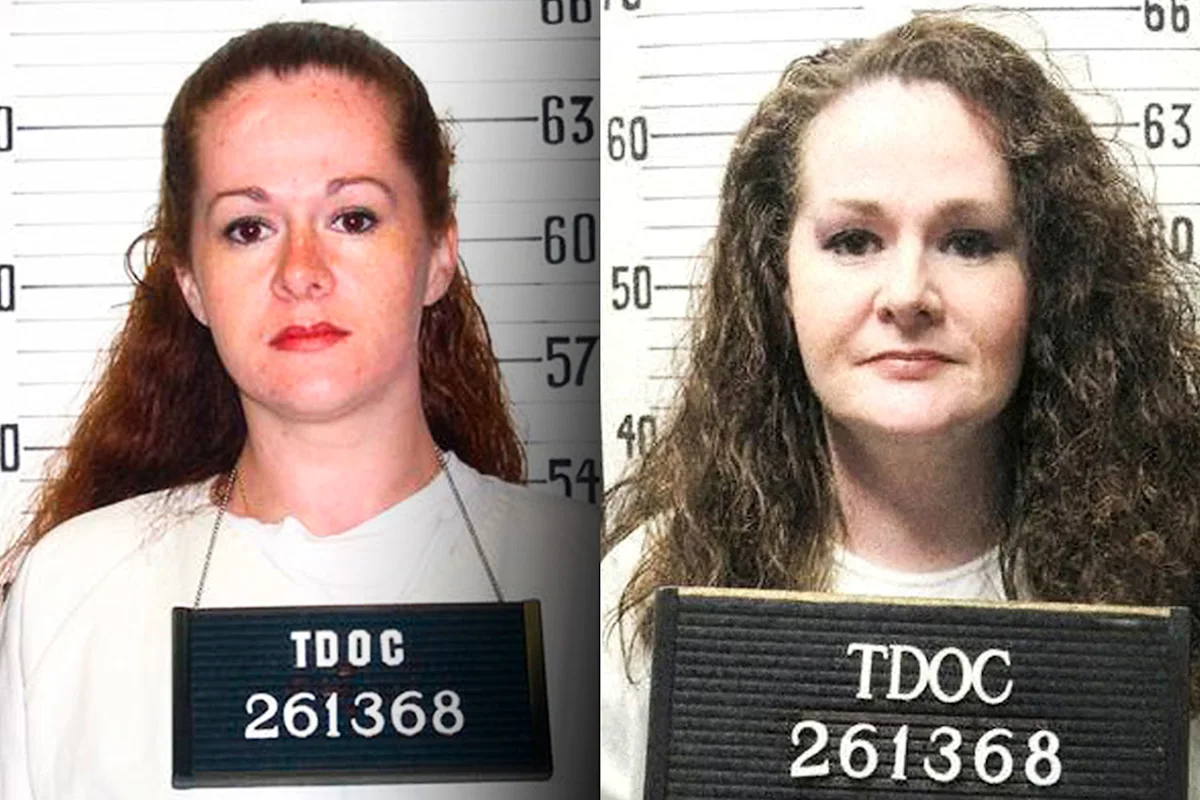
Pike, 50, survived two doses of pentobarbital during the September 30 procedure. She was taken to hospital in critical condition, placed on a ventilator and remained seriously ill for several days.
Her attorneys later reported that she regained consciousness on October 6. She was discharged from hospital and returned to the Debra K. Johnson Rehabilitation Center on October 10, where she continues to receive medical care.
Pike was sentenced to death for the 1995 killing of her classmate, Colleen Slemmer. The failed execution has prompted renewed scrutiny of Tennessee’s lethal-injection procedures and its emergency response protocols.
INVESTIGATIONS AND QUESTIONS REMAIN
The Tennessee Department of Correction has not publicly explained what went wrong during the execution attempt. Medical and lethal-injection experts have raised questions about whether a problem with the intravenous line may have prevented the drug from entering Pike’s bloodstream as intended, but the cause has not been officially established.
Tennessee Governor Bill Lee has paused further executions for the remainder of 2026 while the state reviews the failures.
The 911 recordings now provide a clearer timeline of the efforts to secure medical help. They do not, however, settle who was responsible for the confusion or whether the delay affected Pike’s medical outcome. Those questions will require further investigation.
For now, the records leave the public with a troubling sequence: an emergency call, uncertainty over whether it was genuine, responders waiting outside the prison, and confirmation only after more than half an hour had passed.
What do you think investigators should focus on first: the failed execution procedure, the delay in emergency access, or the communication breakdown between prison officials and responders?
Sources