REBUILDING LIFE AFTER NOMA: THE POWER OF RECONSTRUCTIVE SURGERY
REBUILDING LIFE AFTER NOMA: THE POWER OF RECONSTRUCTIVE SURGERY
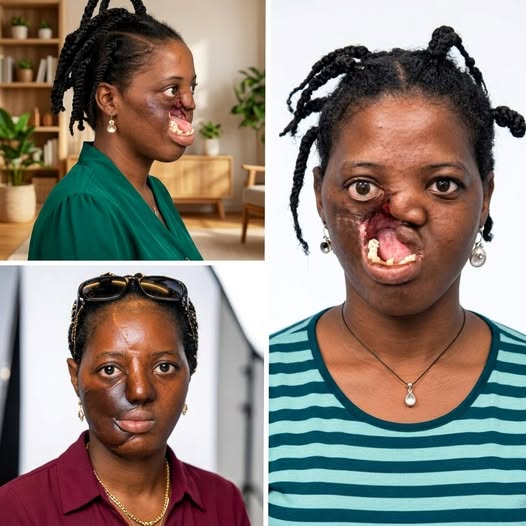
Noma, or cancrum oris, is a devastating disease linked to severe malnutrition and lack of healthcare that rapidly destroys facial tissues. Beyond causing extensive surface damage to the cheeks, lips, and mouth, it consumes underlying facial bones and muscles. As active infection heals, contracting scar tissue often immobilizes the jaw, severely impairing a survivor’s ability to eat, speak, or maintain basic oral hygiene.
Reconstructing these catastrophic defects requires a highly complex, multi-stage surgical approach. Surgeons must simultaneously restore lost structural volume and release restrictive scar tissue. Modern microsurgery often utilizes a radial forearm free flap—transferring thin, flexible tissue alongside its blood supply to rebuild delicate areas around the mouth and central face. When structural bone is lost, rib or other bone grafts are integrated, while forehead flaps can reconstruct the nose.
Historical surgical series, such as work by Noever and Feurer, demonstrate that severe cases—often affecting young children—can require anywhere from one to seven intricate operations over many months to rebuild the maxilla, palate, and facial features. Later refinement procedures and ongoing functional rehabilitation are frequently necessary to maintain jaw mobility.
While before-and-after photographs of unnamed survivors highlight dramatic visual changes, the true achievement of reconstructive surgery lies much deeper. It restores vital bodily functions, returning dignity, health, and daily independence to those who survived one of the world’s most destructive diseases.