Christa Pike Case Raises New Questions About Lethal Injection After Reported Failed Execution

Christa Pike Case Raises New Questions About Lethal Injection After Reported Failed Execution
SEO Title: Christa Pike Case Raises Questions About Lethal Injection
Meta Description: Christa Pike’s reported failed execution in Tennessee has renewed questions about lethal injection procedures, medical complications and the legal challenges that could follow.
Alternative Headlines:
- Christa Pike Survived a Reported Execution Attempt. Now, Questions Remain About What Went Wrong
- Christa Pike Case Puts Tennessee’s Lethal Injection Procedures Under Renewed Scrutiny
- What Happens After a Failed Execution? The Legal Questions Surrounding Christa Pike’s Case
A reported execution attempt involving Christa Pike in Tennessee has brought renewed attention to one of the most consequential questions surrounding capital punishment: what happens when a procedure intended to end a person’s life does not go as expected?
According to a report published by Gym Room at Home on October 12, 2026, Pike survived an attempted lethal injection involving two doses of an execution drug and subsequently required emergency medical treatment.
The incident has raised questions about the administration of execution drugs, the safeguards governing lethal injection procedures and the legal implications of any future attempt to carry out her sentence.
However, the precise circumstances behind the reported failure have not been fully established in the information available from the original article.
Questions About What Happened During the Procedure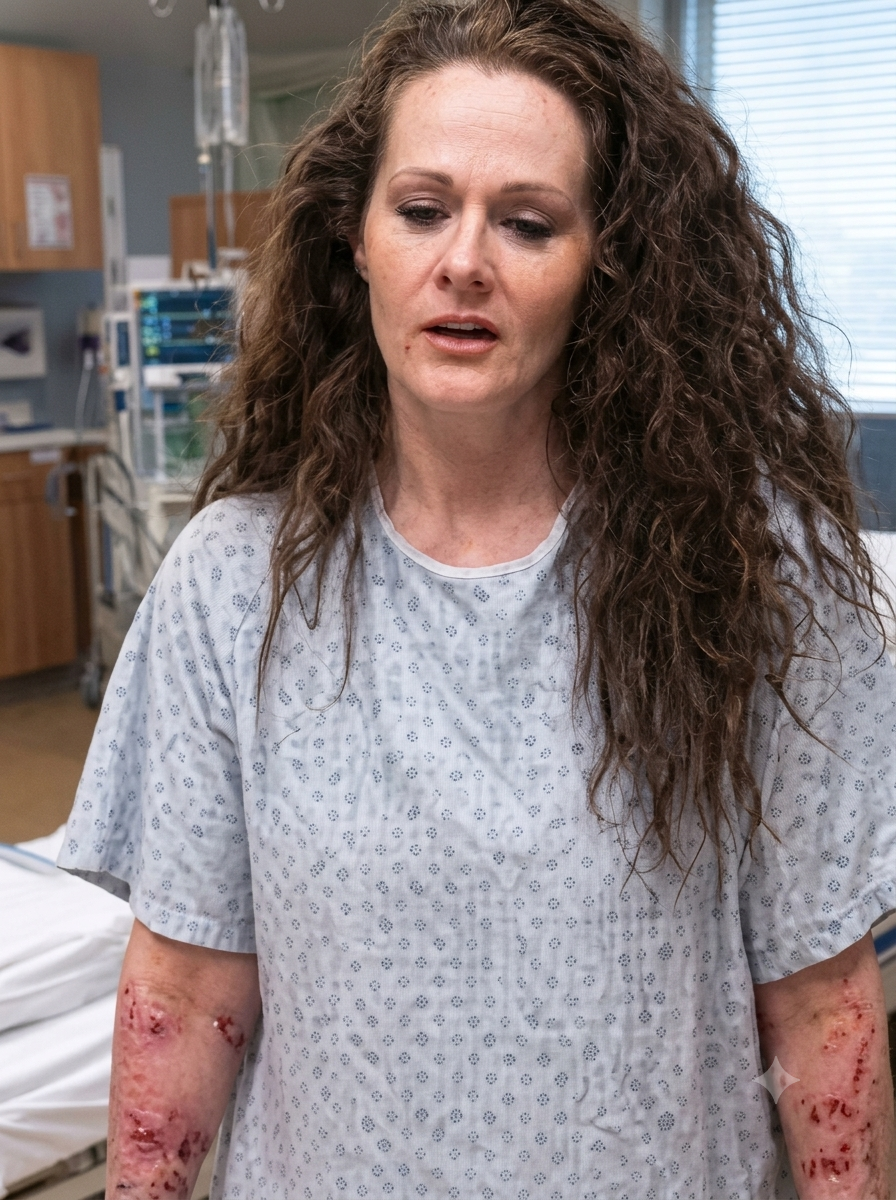
Lethal injection protocols are designed to establish a controlled process for carrying out a death sentence. When a procedure reportedly fails to produce its intended outcome, questions about how the drugs were administered and whether complications occurred become particularly important.
One area that may warrant scrutiny is the intravenous delivery of the drugs.
Investigators would need reliable evidence to determine whether the intravenous line functioned as intended, whether the medication entered the bloodstream as planned and whether any medical or procedural complications contributed to the outcome.
The sourcing and handling of execution drugs may also be relevant. Their origin, storage conditions and preparation can become important considerations when officials examine whether established protocols were followed.
But these are questions requiring evidence, not conclusions that can be drawn from the reported outcome alone.
The available account does not establish that defective medication, improper administration or a specific medical error caused Pike’s survival. Determining what happened would require a detailed review of the procedure and the supporting medical and administrative records.
The Legal Questions Could Extend Beyond Tennessee
The reported incident could also have implications for future litigation surrounding Pike’s sentence.
Under the Eighth Amendment to the U.S. Constitution, challenges to execution methods may examine whether a proposed procedure creates an impermissible risk of severe suffering. Courts generally assess such claims under established constitutional standards and in light of the evidence presented.
A failed execution attempt does not automatically prohibit another attempt or establish that a particular method is unconstitutional.
Nevertheless, the specific circumstances of an incident could become relevant if Pike’s attorneys seek judicial review of the procedure, its consequences or the risks associated with a future execution.
Such arguments would likely depend on the available medical evidence, the details of the original attempt, the proposed execution protocol and the applicable legal standards.
Her attorneys could also raise questions about whether any lasting injuries or other medical complications would affect the assessment of a future procedure. Those concerns would need to be evaluated through reliable medical documentation rather than speculation.
Ultimately, any decision would rest with the appropriate authorities and courts, based on the facts and legal arguments properly presented.
Medical Recovery Remains a Separate Concern
Beyond the constitutional questions, Pike’s medical condition is an important part of the developing story.
The original report states that she required emergency treatment after the attempt. However, the article does not provide sufficient independently verified medical documentation to establish the full extent of her injuries or her long-term prognosis.
That distinction matters.
A person’s survival following a reported execution attempt does not, by itself, establish the nature or severity of any lasting damage. Likewise, claims about permanent injuries require support from qualified medical assessments.
Reliable updates about Pike’s condition would help clarify the immediate consequences of the incident while avoiding assumptions about outcomes that have not been medically established.
The case also raises broader questions about medical oversight and the responsibilities of officials when a state-administered procedure produces an unexpected result.
Calls for Greater Transparency
The incident has the potential to renew debate over transparency in the administration of the death penalty.
For supporters of capital punishment, the focus may be on whether court-ordered sentences can be carried out lawfully and consistently with established procedures.
For opponents, a reported failed execution may reinforce concerns about the possibility of severe suffering, the irreversible nature of the punishment and the adequacy of safeguards intended to prevent unnecessary harm.
These perspectives differ sharply, but both place importance on understanding what actually happened.
A thorough review could help establish whether the procedure followed Tennessee’s applicable protocol, whether any complications occurred and whether changes are necessary. The scope and findings of any official review would need to be confirmed through authoritative records or public statements.
Without that evidence, it would be premature to attribute responsibility to a particular individual, medical professional or agency.
What Happens Next for Christa Pike?
The central questions re