CAMBRIDGE SCIENTIST AND MOTHER OF TWO, 41, CONFIRMED AMONG VICTIMS OF DEADLY SPAIN TRAIN CRASH
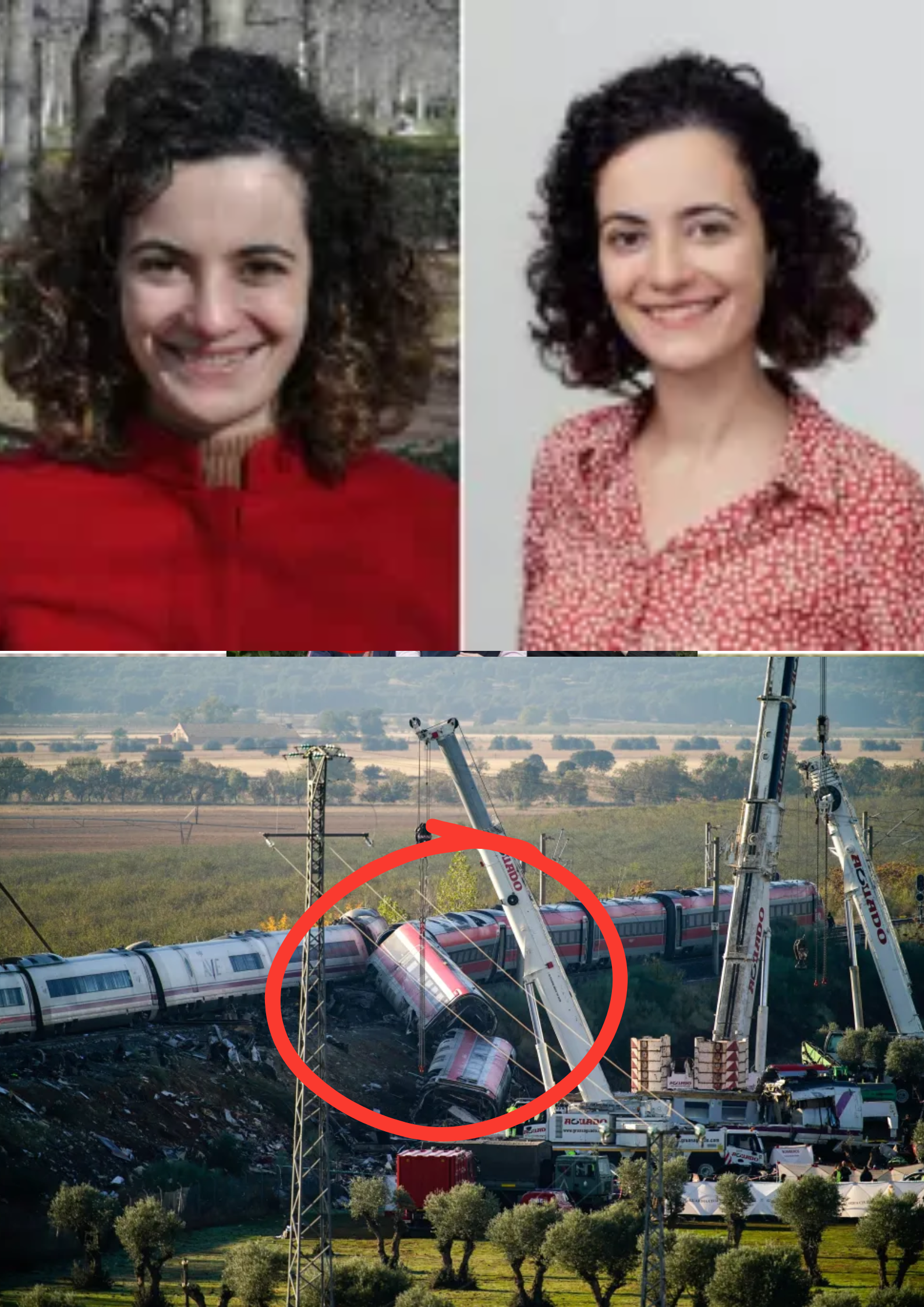
CAMBRIDGE SCIENTIST AND MOTHER OF TWO, 41, CONFIRMED AMONG VICTIMS OF DEADLY SPAIN TRAIN CRASH
Dr. Marta Shahbazi was travelling to receive an award recognising her groundbreaking research into early human development when two high-speed trains collided in central Spain.
A respected Cambridge scientist and mother of two has been confirmed among the victims of the devastating train crash in Spain that claimed at least 69 lives.
Dr. Marta Shahbazi, 41, was travelling on a high-speed Renfe train when it collided with a stationary Iryo service near Urda, in the province of Toledo, on Wednesday, October 28.
Her death was confirmed on Sunday, November 1, after her family had spent several days waiting for news following the disaster.
Shahbazi was a group leader at the Medical Research Council (MRC) Laboratory of Molecular Biology in Cambridge and an affiliate associate professor at the University of Cambridge’s Stem Cell Institute.
She had been travelling to El Rompido, in southern Spain, to attend a conference organised by the Spanish Society for Developmental Biology, where she was due to receive a scientific excellence award.
 A journey to collect an important scientific honour
The scientist had been recognised for her contributions to understanding the earliest stages of human development.
Her research focused on how human embryos develop and how cells organise themselves during the first stages of life. Her work also helped researchers investigate the processes involved in embryo implantation.
The 2026 José Luis Gómez-Skarmeta Prize was due to be presented to her at the scientific gathering in Huelva.
Instead of celebrating her achievement with colleagues, her family received the devastating news that she had been among those killed in the collision.
The Centre for Research in Molecular Medicine and Chronic Diseases (CiMUS), based at the University of Santiago de Compostela, confirmed her death in a tribute.
The centre described Shahbazi as a “brilliant young researcher” and expressed its deepest sympathies to her family, colleagues and collaborators.
 Tributes to a talented researcher and devoted mother
Shahbazi’s colleagues at the MRC Laboratory of Molecular Biology also paid tribute to her, describing her as an inspiring, talented and passionate scientist.
The laboratory said her death was a profound shock and a huge loss to its research community.
The University of Cambridge’s scientific community remembered her not only for her achievements but also for the example she set as a mother balancing family life with a demanding research career.
She was the mother of two young children and had built a distinguished career studying some of the most fundamental questions in human biology.
Her work is expected to continue influencing research into early embryonic development for years to come.
A devastating wait for her family
The days following the crash were marked by uncertainty as families searched for missing loved ones and authorities worked to identify victims.
Shahbazi’s relatives had been waiting for confirmation of her whereabouts after the collision.
According to reports, she had recently spent time with family in Madrid before travelling south for the conference.
Her death has left her husband, two children, relatives and colleagues facing an unimaginable loss.
Investigation continues after deadly collision
The crash happened near Urda, south of Madrid, when a high-speed Renfe train collided with the rear of a stationary Iryo train.
At least 69 people were reported killed, with many others injured. The disaster prompted three days of national mourning across Spain.
Investigators are examining the circumstances surrounding the collision. The precise sequence of events and any responsibility for the disaster remain matters for the ongoing investigation.
For the scientific community, however, the loss is already deeply felt.
Dr. Marta Shahbazi had been travelling to celebrate years of dedicated research and to receive recognition for her contribution to science.
Instead, her journey ended in tragedy, leaving behind two young children and a legacy of work that colleagues say will continue to matter for generations.