Unforgettable Cinematic History: Why the Final Showdown Between Lyon and Attila in Lionheart Remains the Ultimate Test of Human Willpower and Soul
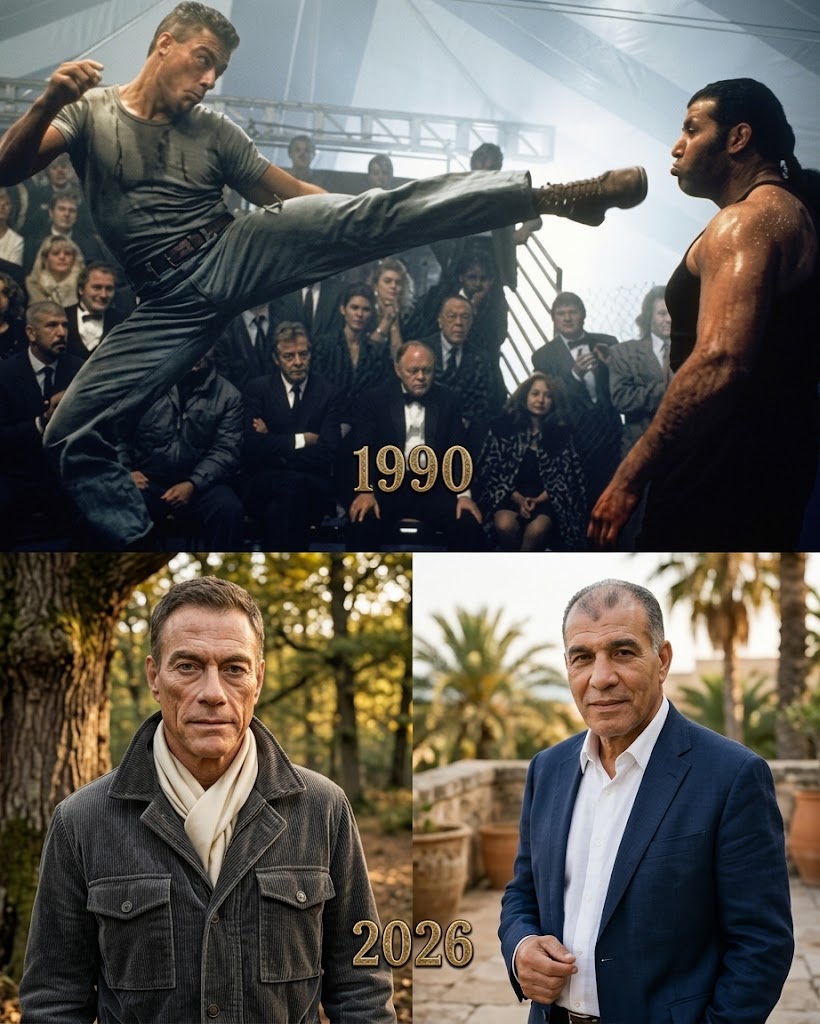
Unforgettable Cinematic History: Why the Final Showdown Between Lyon and Attila in Lionheart Remains the Ultimate Test of Human Willpower and Soul
There are final fights in action cinema that audiences remember for choreography, for violence, or for pure cinematic spectacle. And then there are battles like the one in the 1990 classic Lionheart—clashes remembered because every single punch feels deeply personal, every fall carries immense emotional weight, and every moment inside the ring is connected to something far larger than just winning a match. By the time Lyon Gaultier steps into that final underground arena against the monstrous Attila, the film has already made one thing painfully clear: this is not a man fighting for glory, fame, or money. He is fighting because he has nothing else left to give.
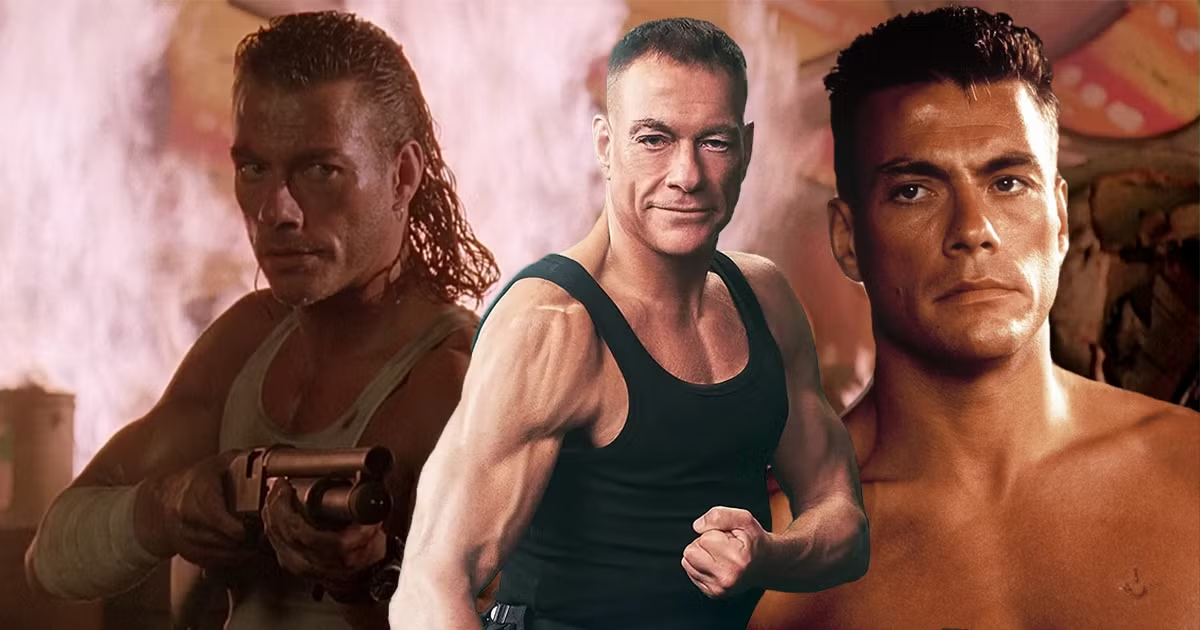
Jean-Claude Van Damme had already become one of the defining martial arts stars of the late 1980s through hit films like Bloodsport and Kickboxer. Audiences were intimately familiar with the iconic spinning kicks, the peak athleticism, the impossible flexibility, and the effortless charisma that allowed him to dominate the screen. But Lionheart revealed something entirely different beneath the physical power. It revealed a raw, aching vulnerability. Lyon Gaultier is a French Foreign Legionnaire who deserts his post to help his family after his brother is brutally attacked. Entering the ruthless underground fighting world of Los Angeles, every match becomes survival, and every victory is just another desperate step toward providing for his grieving sister-in-law and young niece.
Standing across from Lyon in this unforgettable climax is Attila, played by Abdel Qissi with a terrifying physical presence. Attila is less a conventional opponent and more a human wall—massive, cold, relentless, and animalistic. He represents the sheer cruelty of a world where human suffering is reduced to wagers placed by wealthy spectators. When the two men collide, it becomes a battle of pure endurance, pain, and willpower. Van Damme performs with exhaustion written into his very soul. You can feel the accumulated damage of his journey. Every time he rises from the canvas, it feels less like an action-movie trope and more like a deeply human refusal to stay broken.
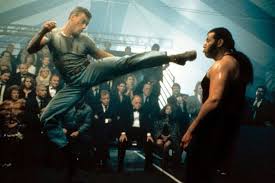
The true brilliance of Lionheart is that it understands a fundamental rule of storytelling: audiences do not care about strength alone; they care about why someone continues to fight long after their strength has completely disappeared. Lyon continues because he fights for love, duty, and dignity in a brutal world. More than three decades later, this lonely fighter against a mountain of violence still resonates perfectly. The punches still land, the sacrifice still inspires, and the profound heart behind the legend of Lionheart still moves audiences to tears.