Husband’s Chilling 911 Call: “She Killed the Kids” — Lindsay Clancy Case Heads to Trial
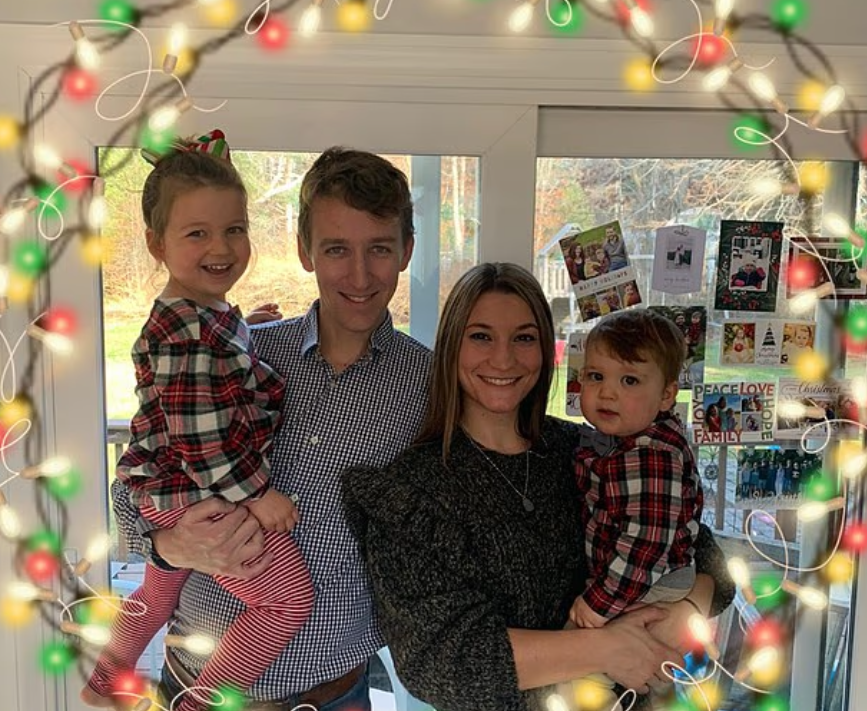
Husband’s Chilling 911 Call: “She Killed the Kids” — Lindsay Clancy Case Heads to Trial
The case of Lindsay Clancy, a 35-year-old former nurse from Duxbury, Massachusetts, has returned to the spotlight as her trial approaches. She is accused of killing her three young children in a manner prosecutors describe as deliberate and cruel. Her husband’s horrifying 911 call has become a central piece of evidence.
On the evening of January 24, 2023, Patrick Clancy returned home to find his wife injured outside their house after she had jumped from a second-story window. While on the phone with emergency services about her condition, he discovered something far more devastating inside: their three children — Cora, 5, Dawson, 3, and eight-month-old Callan — were dead, each with an exercise resistance band around their neck.
In the now-public 911 call, a distraught Patrick can be heard telling arriving officers: “She killed the kids!”
What Prosecutors Allege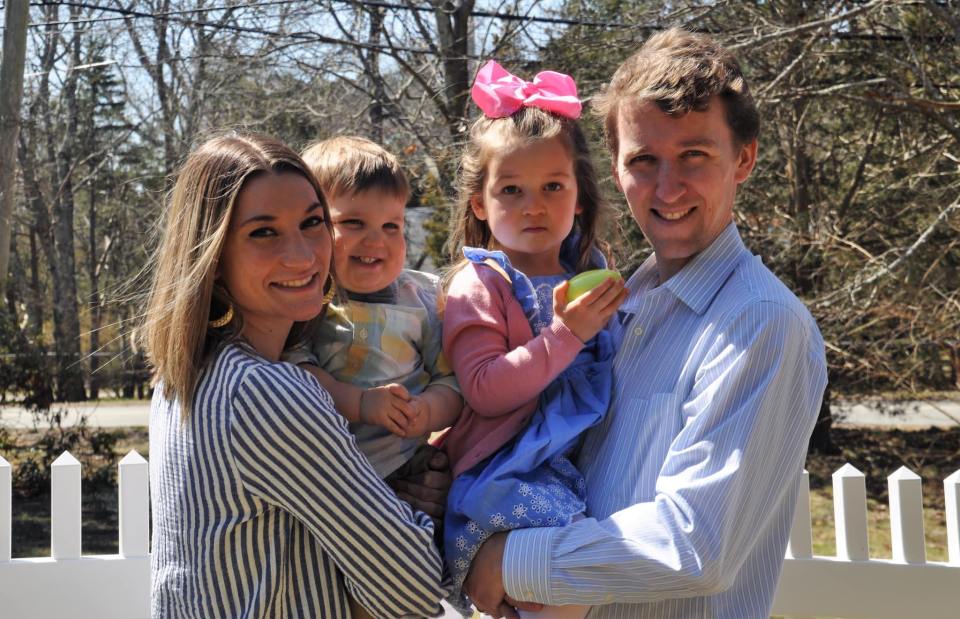
According to court documents, Lindsay Clancy allegedly strangled her three children using exercise bands. Prosecutors claim she manually pulled the bands tight around each child’s neck until they died, rather than tying or knotting them. They argue this method demonstrates “extreme atrocity and cruelty.”
Investigators noted that when police arrived, the bands had already been removed and were lying next to each child. Patrick reportedly told dispatchers that the bands came off easily, which prosecutors say disproves any claim that they were securely tied. They allege Lindsay deliberately sent her husband out on errands that evening so she would have time alone with the children.
Lindsay Clancy has been charged with two counts of murder, three counts of strangulation, and three counts of assault and battery with a dangerous weapon. She has pleaded not guilty.
The Defense: Postpartum Psychosis and Over-Medication
Lindsay’s defense team does not dispute that she caused her children’s deaths. Instead, they argue she was suffering from severe postpartum psychosis at the time and was heavily over-medicated.
Her lawyers claim that in the months leading up to the tragedy, Lindsay had been prescribed a powerful combination of antidepressants, mood stabilizers, and benzodiazepines. They say these medications caused paranoia, suicidal thoughts, and a distorted sense of reality. They further allege that her doctors failed to properly monitor her condition.
In January 2026, Patrick Clancy filed a civil lawsuit against Lindsay’s doctors and the health systems involved, claiming they negligently prescribed medication that worsened her mental state and contributed to the deaths of their children. The lawsuit argues that with proper care, the tragedy might have been prevented.
A Case That Raises Difficult Questions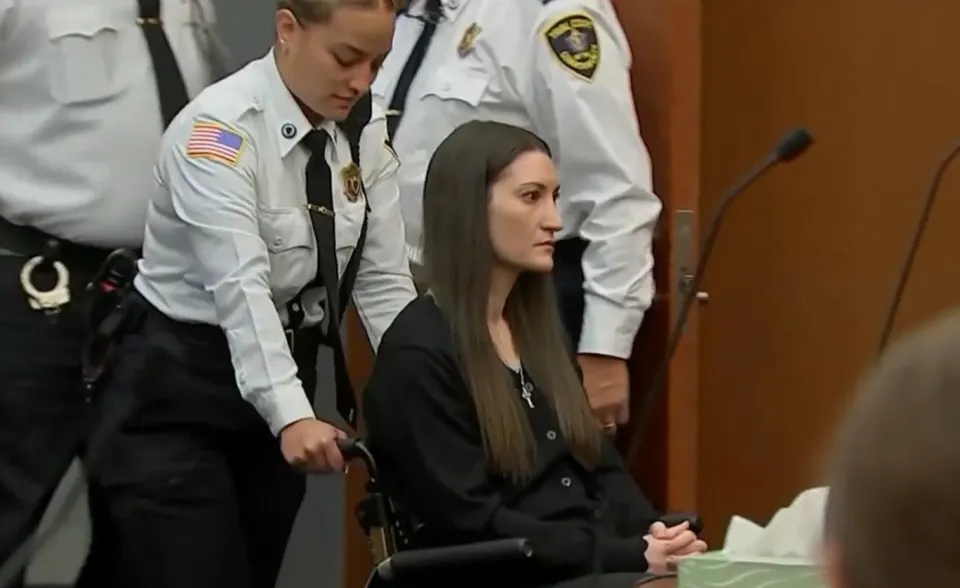
The Clancy case has sparked intense debate about postpartum mental health, the responsibilities of medical professionals, and how the justice system should handle cases involving severe mental illness.
While prosecutors focus on the deliberate nature of the acts and the suffering inflicted on the children, the defense emphasizes that Lindsay was not in her right mind and had sought help for her mental health struggles.
Lindsay, who was left paralyzed from the waist down after jumping from the window, remains in custody. Her trial is scheduled to begin on July 20, 2026.
A Family Forever Changed
For Patrick Clancy, the horror of that January night continues to shape his life. He lost his three children in the most unimaginable way and has since filed a lawsuit seeking answers from the medical professionals who treated his wife.
For the wider community and for anyone who has followed the case, it remains a deeply painful reminder of how postpartum mental health crises can escalate when warning signs are missed or inadequately addressed.
As the trial date approaches, both sides are preparing for what is expected to be a highly emotional and closely watched proceeding. Whatever the outcome, nothing can undo the loss of Cora, Dawson, and Callan Clancy — three young lives taken far too soon.