The Unlicensed 20-Year-Old Who Hijacked a School Bus and Saved 70 Strangers During Hurricane Katrina
The Unlicensed 20-Year-Old Who Hijacked a School Bus and Saved 70 Strangers During Hurricane Katrina
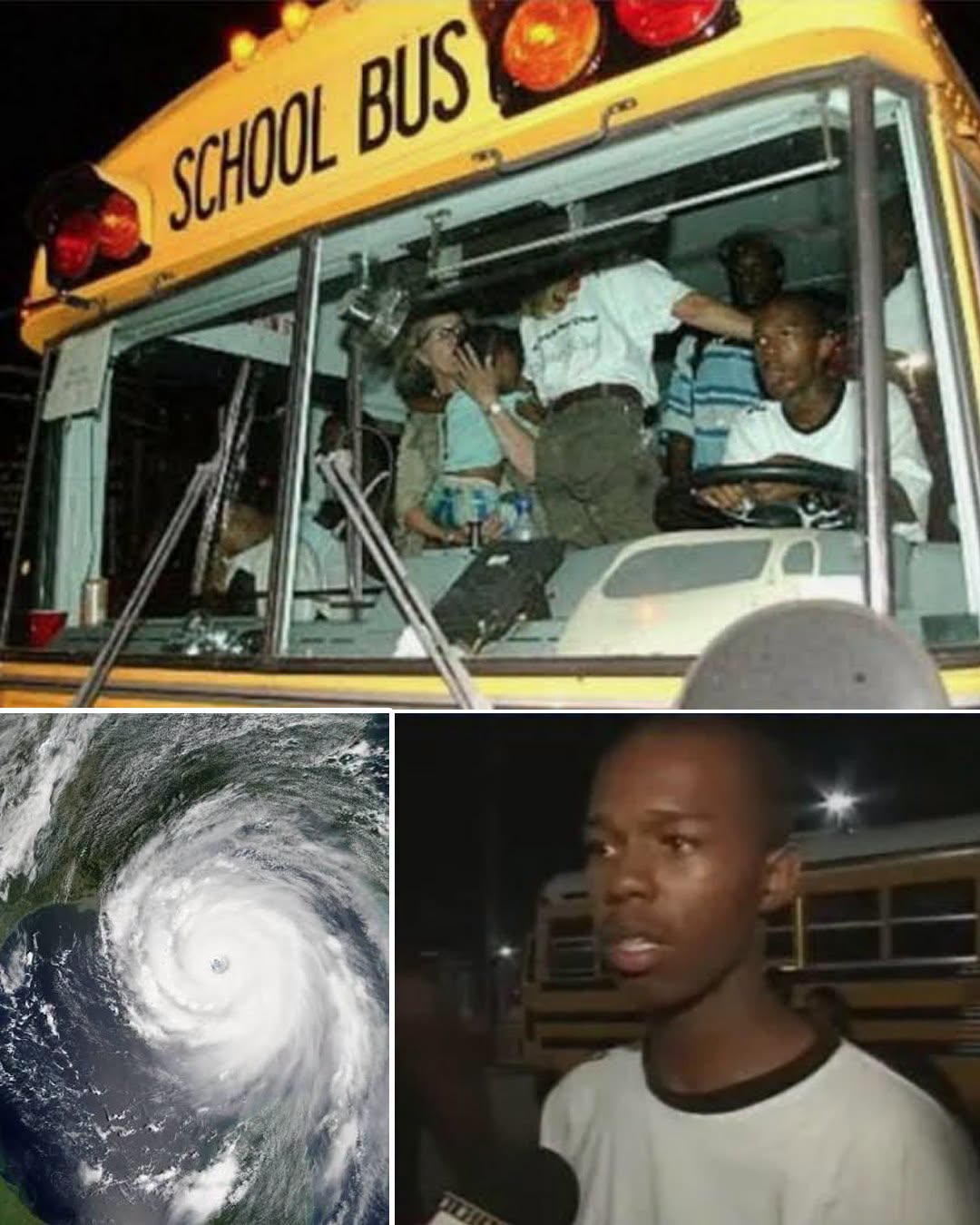
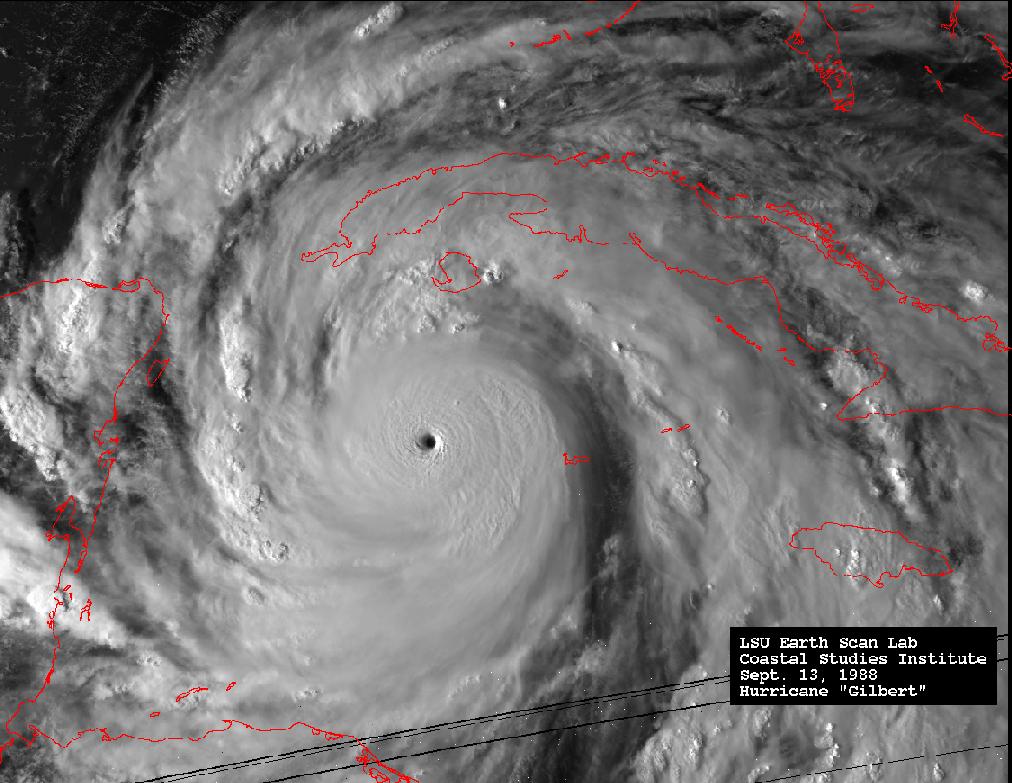
In August 2005, Hurricane Katrina laid waste to New Orleans. As the levees failed, catastrophic floodwaters swallowed entire neighborhoods, trapping thousands of residents without food, clean water, electricity, or any clear path to safety. In the Fischer Housing Developments in Algiers, twenty-year-old Jabbar Gibson watched conditions deteriorate rapidly. Most families in his community did not own vehicles large enough to escape, and official rescue efforts had yet to arrive. Refusing to wait for help while lives hung in the balance, Jabbar decided to take action into his own hands.
Searching for a way out, Jabbar and a group of friends discovered several abandoned Orleans Parish school buses locked inside a storage building. Locating the keys in a nearby office, they spent thirty minutes tinkering with the ignition until bus number 0232 suddenly roared to life. Jabbar had no professional driving training, no commercial driver’s license, and had never operated a school bus in his life, but the sheer desperation of the moment outweighed his lack of experience.
Initially, local police intervened, demanding the keys and ordering everyone off the vehicle. However, after Jabbar’s mother explained that dozens of stranded residents faced severe danger with no alternative escape, the officers relented, returned the keys, and instructed them to leave the city immediately. Sixty residents crammed into the seats, but as Jabbar drove down the ruined roads, he saw elderly citizens, pregnant women, and young parents carrying babies walking along the highway. Unable to turn a blind eye, he kept pulling over until more than seventy passengers were squeezed inside.
Passengers pooled their remaining cash for fuel, food, and diapers. During a stop in Lake Charles, a generous gas station attendant provided free water and informed them that the Houston Astrodome was accepting survivors. What should have been a five-hour drive turned into a grueling thirteen-hour journey. Late on the evening of August 31, the battered yellow bus pulled up to the Astrodome—arriving hours before the first official government convoy. Surprised officials initially hesitated to admit the unscheduled group, but after a tense twenty-minute standoff, the doors swung open, welcoming all seventy weary passengers to safety. Without formal authorization or a uniform, Jabbar Gibson proved that true heroism lies in choosing to act when waiting is no longer an option.