The Woman Traded for a Cow Became the Heart of a Dying Farm
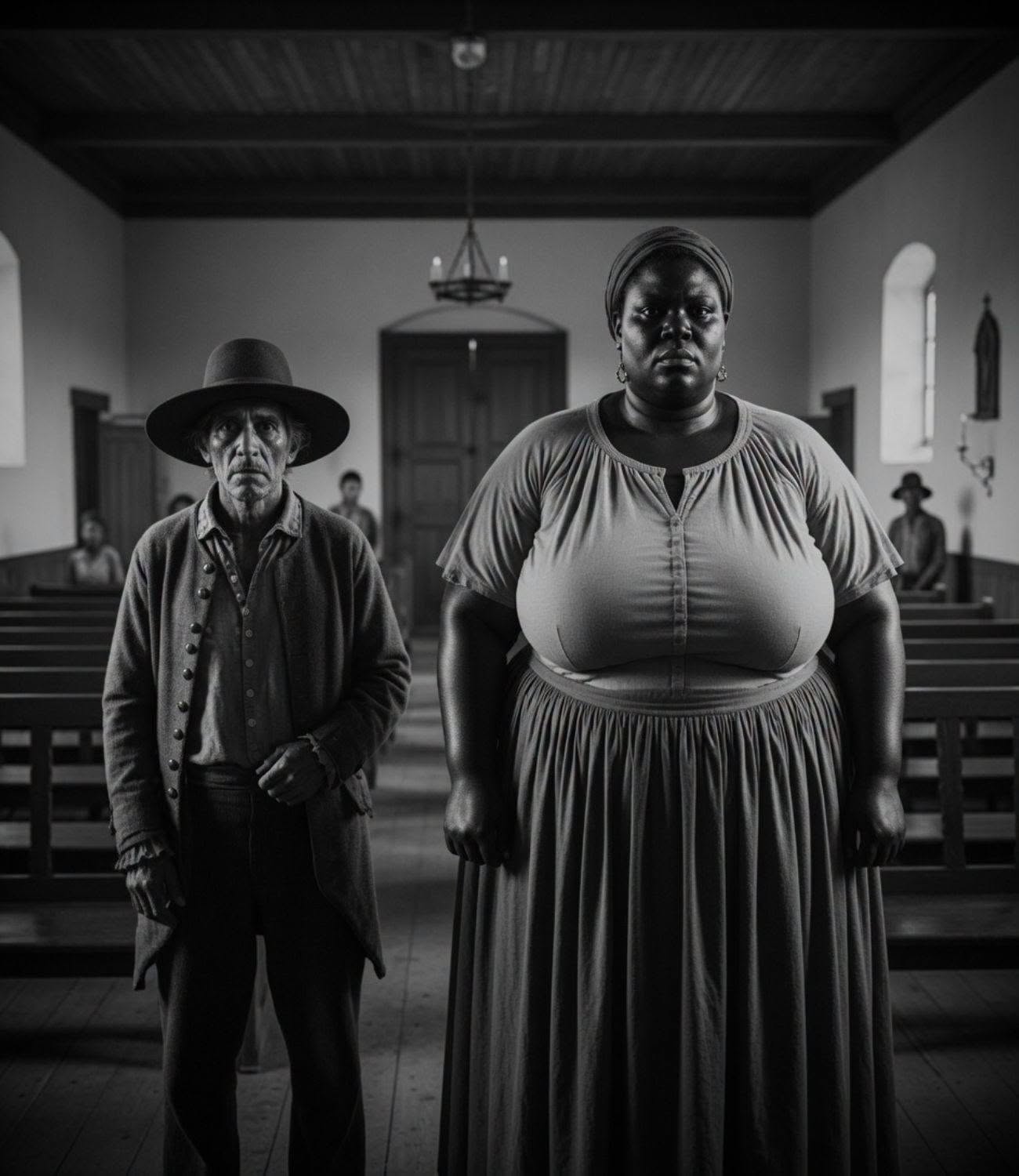
When María closed the door on her wedding night, she shut out more than curious neighbors and cruel whispers.
Behind her lay years of being treated as property, judged by her body and dismissed as useless. On the other side of the door was a fragile new life with a poor landowner who had once exchanged his cow for her.
Their beginning was shaped by desperation. What followed became a story of dignity, partnership and the danger of deciding a person’s worth before knowing them.
In the spring of 1847, Mexico was struggling through war and economic uncertainty. In the countryside of Guanajuato, disrupted trade routes and deepening poverty had made survival increasingly difficult for small farmers.
Don Fermín Solorzano was among those barely holding on.
He owned a modest parcel of land, far removed from the enormous estates controlled by wealthy and influential families. His property represented what remained of his family’s security, but each season brought new pressure. Debt was rising, resources were disappearing and hunger threatened communities already shaken by the Mexican-American War.
Fermín was not searching for romance or trying to make a bold social statement. He was simply attempting to save his farm and survive another year.
Then he encountered a traveling slave trader.
Several enslaved people were being taken through the region, but one woman drew particular attention. Her name was María, although the people around her seemed more interested in describing her body than learning anything about her life.
She was larger than the thin, exhausted individuals commonly seen in such markets. Buyers had repeatedly rejected her, assuming that her size made her incapable of useful work. The trader regarded her as a burden he could not sell.
He offered María to Fermín in exchange for a cow.
To the people witnessing the proposal, the answer appeared obvious. Fermín was already poor. His cow was one of the few valuable possessions he had left. Trading it for a woman whom everyone else had dismissed seemed reckless.
Yet Fermín agreed.
The cow changed ownership, and María was taken to his small property.
Neighbors quickly mocked the decision. Some believed Fermín had surrendered an essential source of food and income for someone who would only add to his difficulties. Their judgment rested entirely on appearance and rumor.
They knew almost nothing about María.
Much of her earlier life had never been properly recorded. As happened with countless enslaved people, surviving accounts focused on transactions and ownership rather than memories, relationships or personal experiences.
But María had lived through hardship long before reaching Fermín’s land.
She had learned to observe people carefully. She understood how quickly strangers could turn physical appearance into a verdict about intelligence or character. She had survived rejection without surrendering the emotional strength that had carried her through years of uncertainty.
Once she reached the farm, the assumptions surrounding her began to collapse.
María understood rural work. She knew how to prepare and preserve food, organize a household and stretch limited supplies. She could recognize what needed to be done and find practical ways to do it.
Instead of becoming another responsibility for Fermín, she helped create order in a life that had been sliding toward ruin.
Her influence was not immediate or dramatic. It appeared in daily improvements: fewer resources wasted, meals managed more carefully, work completed with greater purpose and a household that slowly became more stable.
Fermín began to see the qualities the trader and potential buyers had ignored. María was resourceful, patient and intelligent. She also carried a kindness that hardship had not destroyed.
Their relationship changed gradually.
Respect came before affection. They learned each other’s habits and strengths. They became dependent on one another, not through force but through the shared work of keeping a fragile home alive.
For María, Fermín was the first person in a long time who appeared willing to see beyond the labels placed upon her. For Fermín, she became far more than the woman brought home through an unequal transaction.
She became his partner.
Eventually, they married.
The marriage caused fresh gossip throughout the surrounding communities. Their social positions made the union difficult for many people to understand. Fermín was a struggling landowner attempting to preserve what little status he possessed. María had entered his life as an enslaved woman whom others considered unwanted.
Some neighbors expected the marriage to fail. Others doubted that genuine affection could emerge from such a troubling beginning.
They continued looking at the circumstances of the couple’s first meeting rather than the relationship that had developed afterward.
On their wedding night, according to the story preserved through generations, María stepped inside with Fermín and closed the door.
The gesture was simple, but its meaning endured.
Outside remained the judgments of people who had reduced her to her appearance. Outside were the voices that had called her undesirable, incapable and worthless.
Inside, she was no longer standing before strangers waiting to be evaluated. She was entering a private space as a wife and as a woman beginning a different chapter of her life.
The closed door symbolized something María had rarely been allowed to possess: dignity on her own terms.
In the months that followed, even skeptical neighbors could see that Fermín’s life had improved. His land became more productive, his home more organized and his outlook less defeated.
María’s skill with limited resources helped create stability during a period when stability was rare. The woman people had assumed could contribute nothing became central to the survival of the household.
Attitudes around them slowly shifted.
Some neighbors never openly admitted that they had been wrong. Others began treating María with respect once her abilities became impossible to ignore.
What changed was not María’s value. She had always possessed intelligence, endurance and compassion. What changed was the willingness of others to recognize those qualities.
Her story became larger than the unusual trade that first brought her to Fermín.
It exposed how easily societies attach labels to people they do not understand. Wealth, physical appearance and social status often become shortcuts for measuring worth, even though none can reveal courage, judgment or the ability to transform another person’s life.
Fermín had traded away an animal he could scarcely afford to lose. To those watching, the exchange appeared to be another desperate mistake made by a man nearing ruin.
Instead, he gained a partner who helped rebuild his household and gave him a form of companionship neither of them may have expected to find.
María gained something equally profound: a place where she was finally regarded as a person rather than an unwanted possession.
Official history preserved little about ordinary people like María and Fermín. Their lives unfolded far from palaces, government halls and famous battlefields. Yet their story endured because it spoke to a deeply human failure—the tendency to dismiss people who do not fit society’s preferred image of value.
The most lasting image is not the roadside bargain or the cow being led away.
It is María closing the door.
With that movement, she placed a boundary between herself and the cruelty that had defined her past. She entered a home built not on the opinions of strangers, but on work, trust and an affection that had grown where almost no one expected it.
The woman everyone rejected became the person Fermín could least afford to lose.