The 10 Greatest Gangster Movies Ever Made — From Scarface to The Godfather
Gangster movies have always offered audiences a dangerous bargain.
They invite us into worlds built on money, loyalty, violence and power, often making criminal life look irresistible before showing the price that eventually comes due. The best films in the genre understand that contradiction. They can make a nightclub entrance feel glamorous in one scene and reveal the paranoia, betrayal and loneliness underneath it in the next.
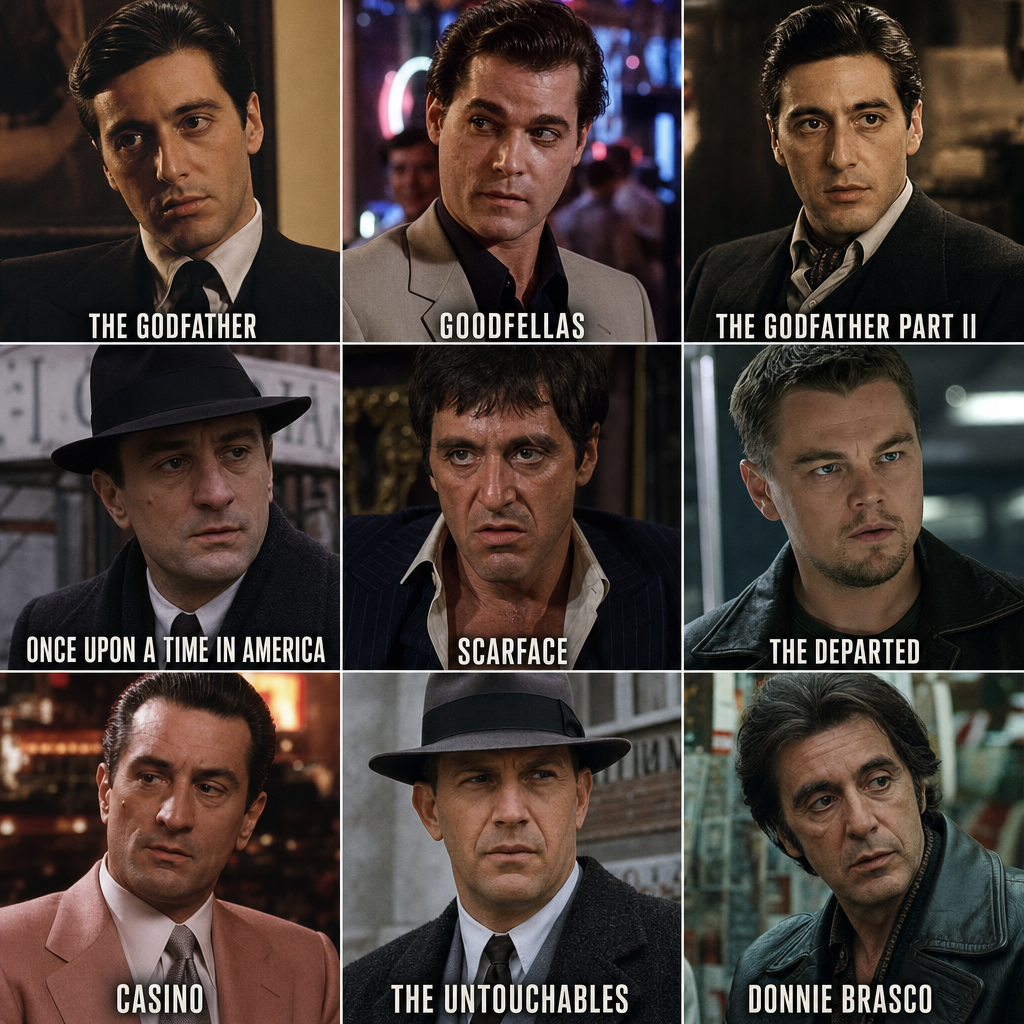
From Francis Ford Coppola’s Corleone dynasty to Martin Scorsese’s hyperactive portrait of mob life, these 10 movies represent gangster cinema at its strongest.
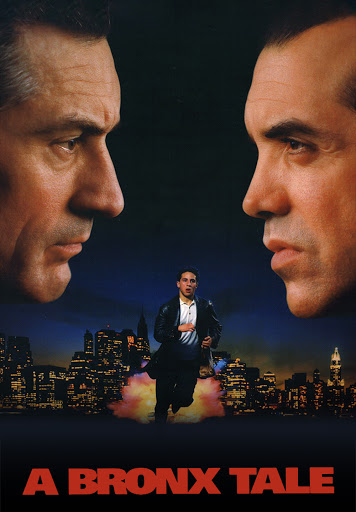
10. A Bronx Tale (1993)
Robert De Niro made his feature directing debut with a gangster story that is ultimately more interested in fatherhood than organized crime.
Young Calogero grows up fascinated by local mob boss Sonny, played by Chazz Palminteri, while his hardworking father Lorenzo, played by De Niro, desperately tries to keep him from choosing the criminal life.
The tension comes from the fact that both men teach Calogero something valuable.
Sonny understands power and survival. Lorenzo understands dignity.
That makes A Bronx Tale different from many gangster films: its central question is not who will control the neighborhood, but what kind of man a boy will become.
9. Donnie Brasco (1997)
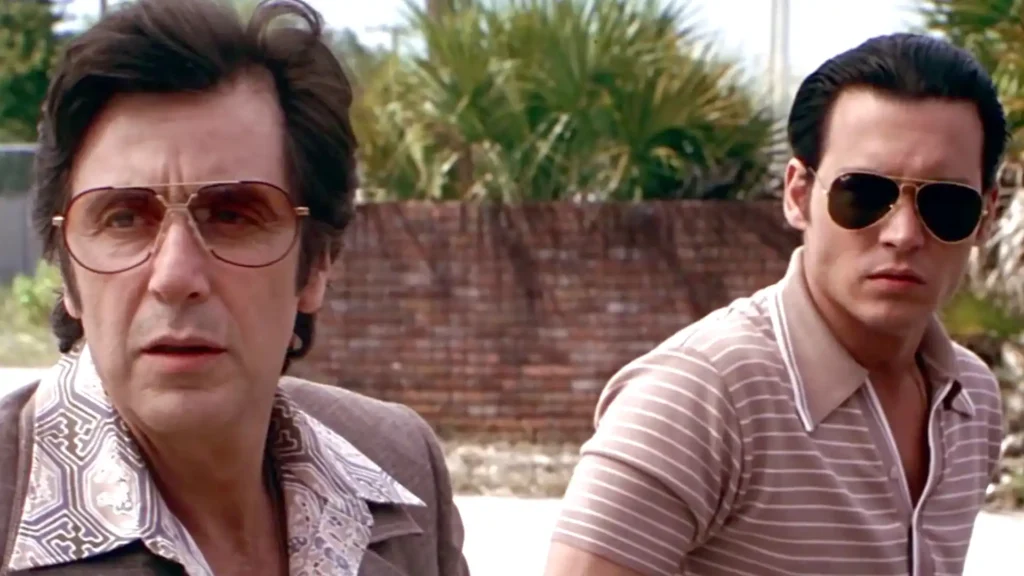
Johnny Depp plays undercover FBI agent Joseph Pistone, who enters the Mafia using the name Donnie Brasco and gradually forms a complicated friendship with aging mobster Lefty Ruggiero.
Al Pacino’s Lefty is the movie’s secret weapon.
Unlike Michael Corleone or Tony Montana, Lefty is not a king. He is a low-level gangster who has spent decades hoping for respect that never really arrives.
The deeper Donnie enters that world, the more dangerous their friendship becomes. Successfully completing his mission may ultimately destroy the man who trusted him.
Few gangster movies make loyalty feel this tragic.
8. The Untouchables (1987)
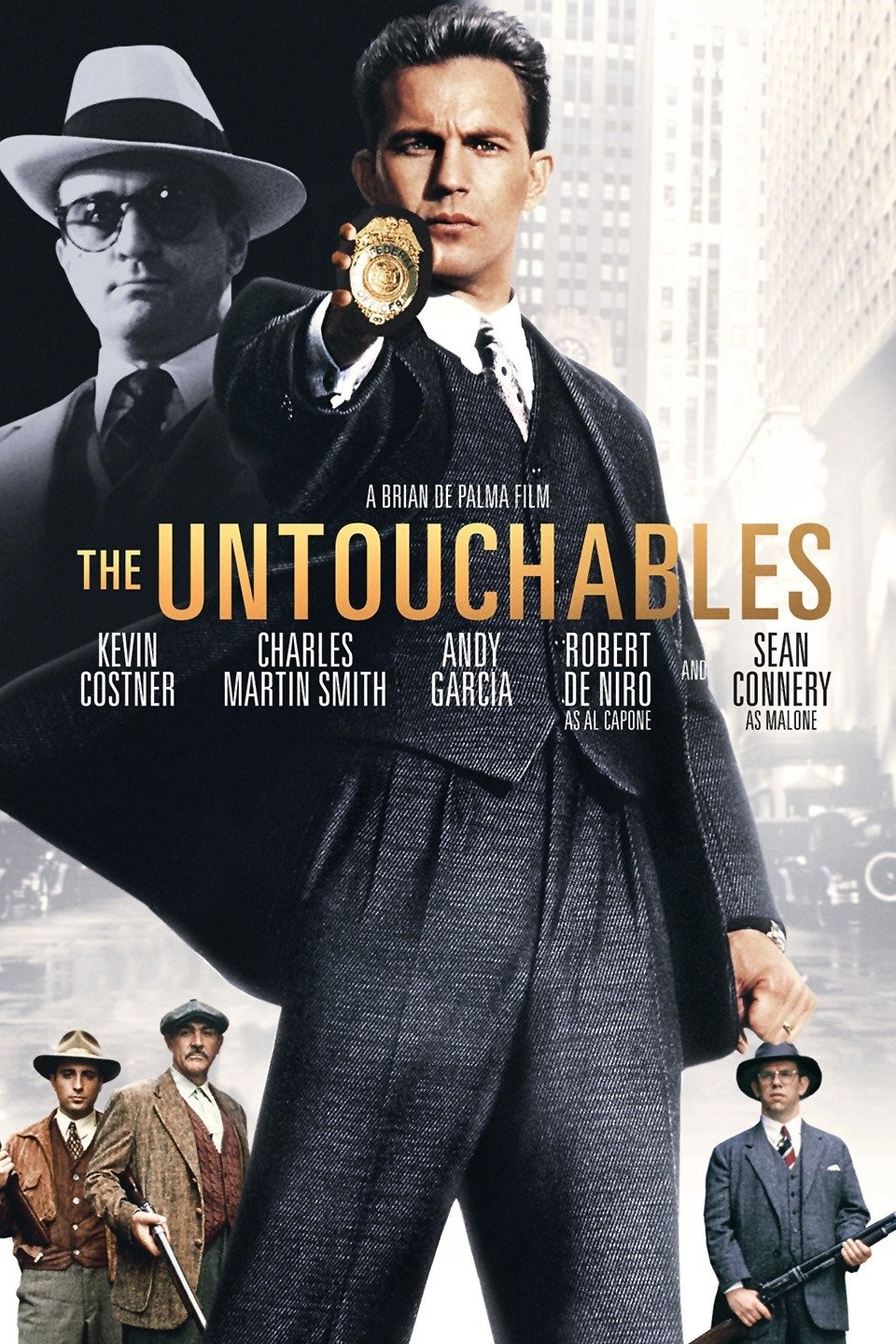
Brian De Palma turned the battle against Al Capone into a muscular piece of Hollywood entertainment.
Kevin Costner plays federal agent Eliot Ness, while Robert De Niro delivers a larger-than-life performance as Capone. But Sean Connery nearly steals the movie as veteran police officer Jim Malone, the hardened mentor who teaches Ness that defeating organized crime will require more than idealism.
Connery won the Academy Award for Best Supporting Actor for the performance.
With David Mamet’s screenplay, Ennio Morricone’s music and De Palma’s elaborate suspense sequences, The Untouchables turns gangster history into a grand confrontation between corruption and law enforcement.
7. Casino (1995)
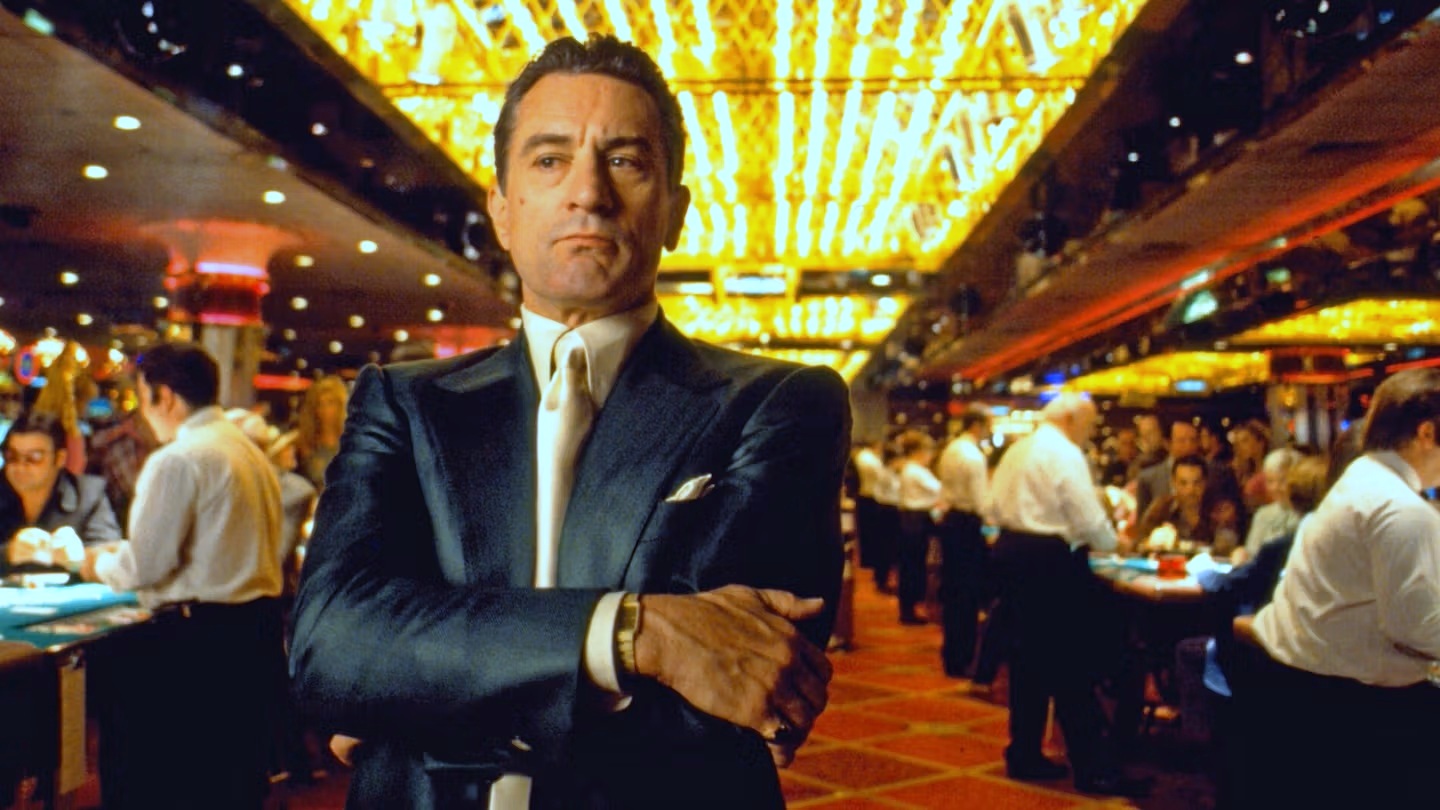
If Goodfellas shows the seductive rush of becoming a gangster, Casino studies what happens when organized crime becomes a business empire.
Robert De Niro plays Sam “Ace” Rothstein, a gambling expert chosen to oversee a Las Vegas casino for the mob. Joe Pesci plays violent enforcer Nicky Santoro, while Sharon Stone delivers one of her defining performances as Ginger McKenna.
Scorsese gradually transforms glittering Las Vegas into a prison of jealousy, addiction, greed and suspicion.
Stone earned an Oscar nomination, and the film remains one of Scorsese’s most ambitious portraits of organized crime.
Everyone wants control.
Eventually, nobody has it.
6. The Departed (2006)
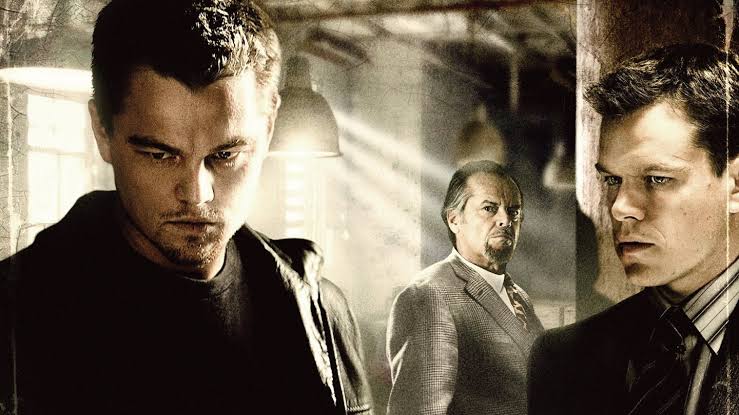
Martin Scorsese built The Departed around two men living opposite versions of the same lie.
Leonardo DiCaprio’s Billy Costigan is a police officer secretly infiltrating Frank Costello’s criminal organization. Matt Damon’s Colin Sullivan is Costello’s man secretly embedded inside the Massachusetts State Police.
Each knows someone on the other side is betraying them.
Neither initially knows who.
Jack Nicholson adds chaos as Costello, while Mark Wahlberg turns nearly every appearance into a confrontation.
The film finally brought Scorsese his first directing Oscar and also won Best Picture, Film Editing and Adapted Screenplay.
Its greatest weapon, however, is paranoia. Everyone is watching everyone—and almost no one can escape cleanly.
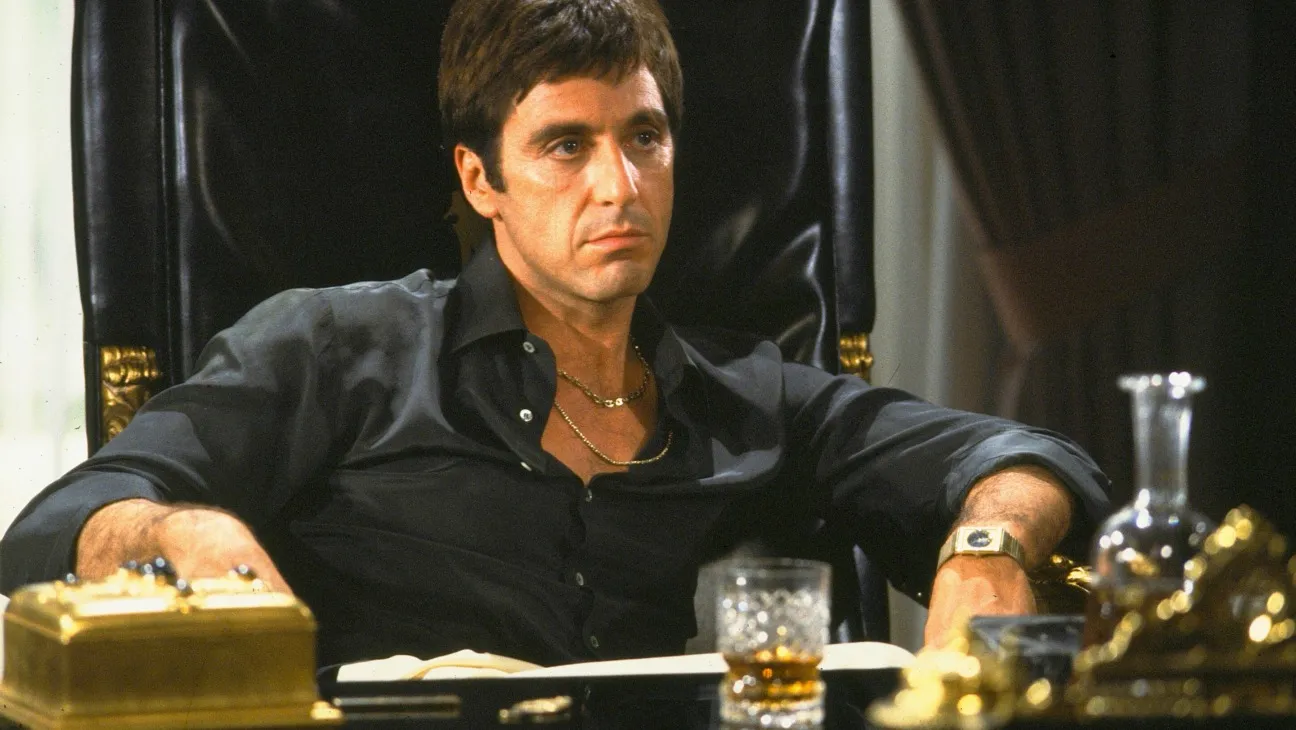
5. Scarface (1983)
Tony Montana does not patiently build an empire.
He attacks the world until it gives him one.
Brian De Palma’s Scarface, written by Oliver Stone, follows a Cuban immigrant who rises through Miami’s cocaine trade through ambition, violence and an almost limitless appetite for more.
Al Pacino gives one of cinema’s most explosive performances.
Tony becomes incredibly wealthy, but success only magnifies what was already inside him: insecurity, possessiveness, rage and self-destruction.
The movie was controversial and excessive by design, yet Tony Montana became one of popular culture’s most recognizable gangster figures. BFI describes the film as the rise and fall of a man climbing through Miami’s 1980s drug world.
Tony achieves almost everything he wanted.
That turns out to be the disaster.
4. Once Upon a Time in America (1984)
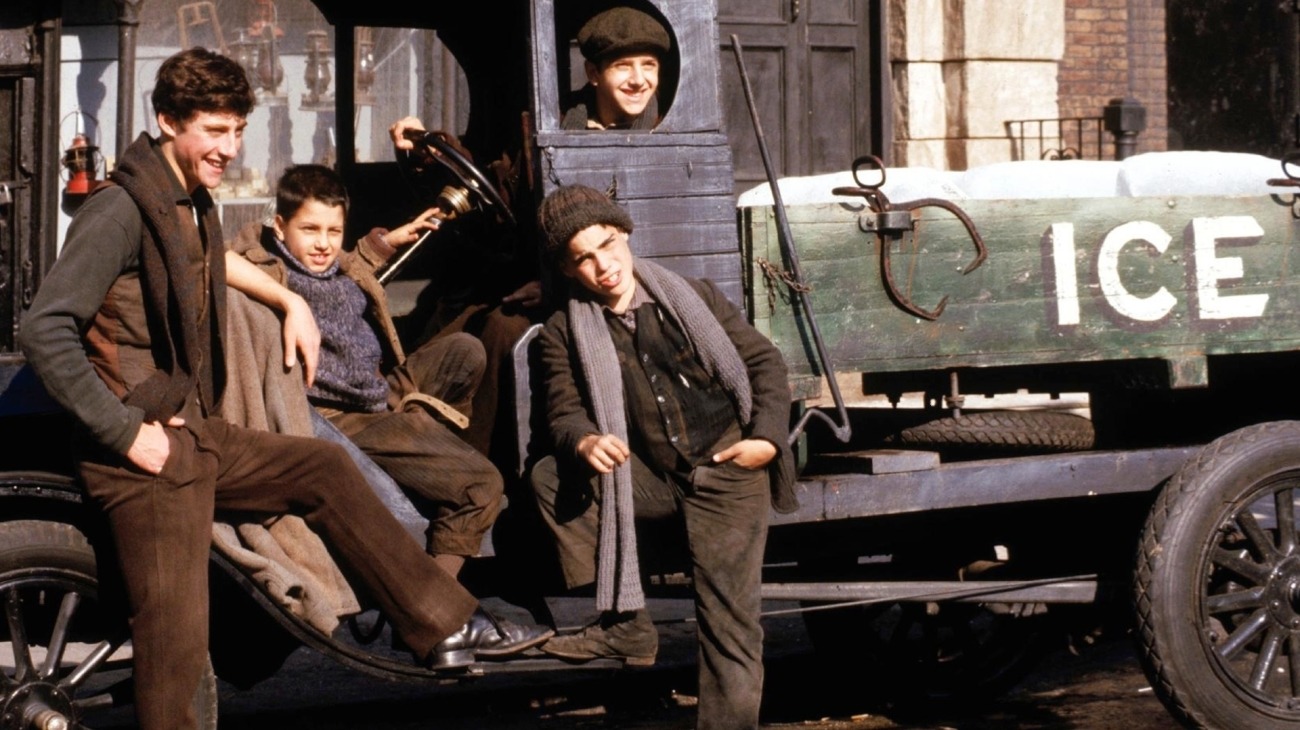
Sergio Leone spent years associated with westerns before creating his enormous final crime epic.
Robert De Niro stars as David “Noodles” Aaronson, whose memories carry the story between childhood, friendship, organized crime and old age.
James Woods plays Max, the friend whose ambitions increasingly threaten everything around him.
Rather than treating gangster life primarily as excitement, Leone frames it as memory—fragmented, painful and unreliable.
The film’s extended versions run close to four hours, allowing decades of friendship and betrayal to unfold with unusual patience. It ranked among the films included in the BFI’s 2022 Sight and Sound critics’ poll.
It is less a celebration of criminals than an elegy for men who destroyed the lives they wanted to preserve.
3. The Godfather Part II (1974)
Sequels were not supposed to deepen masterpieces.
The Godfather Part II changed that expectation.
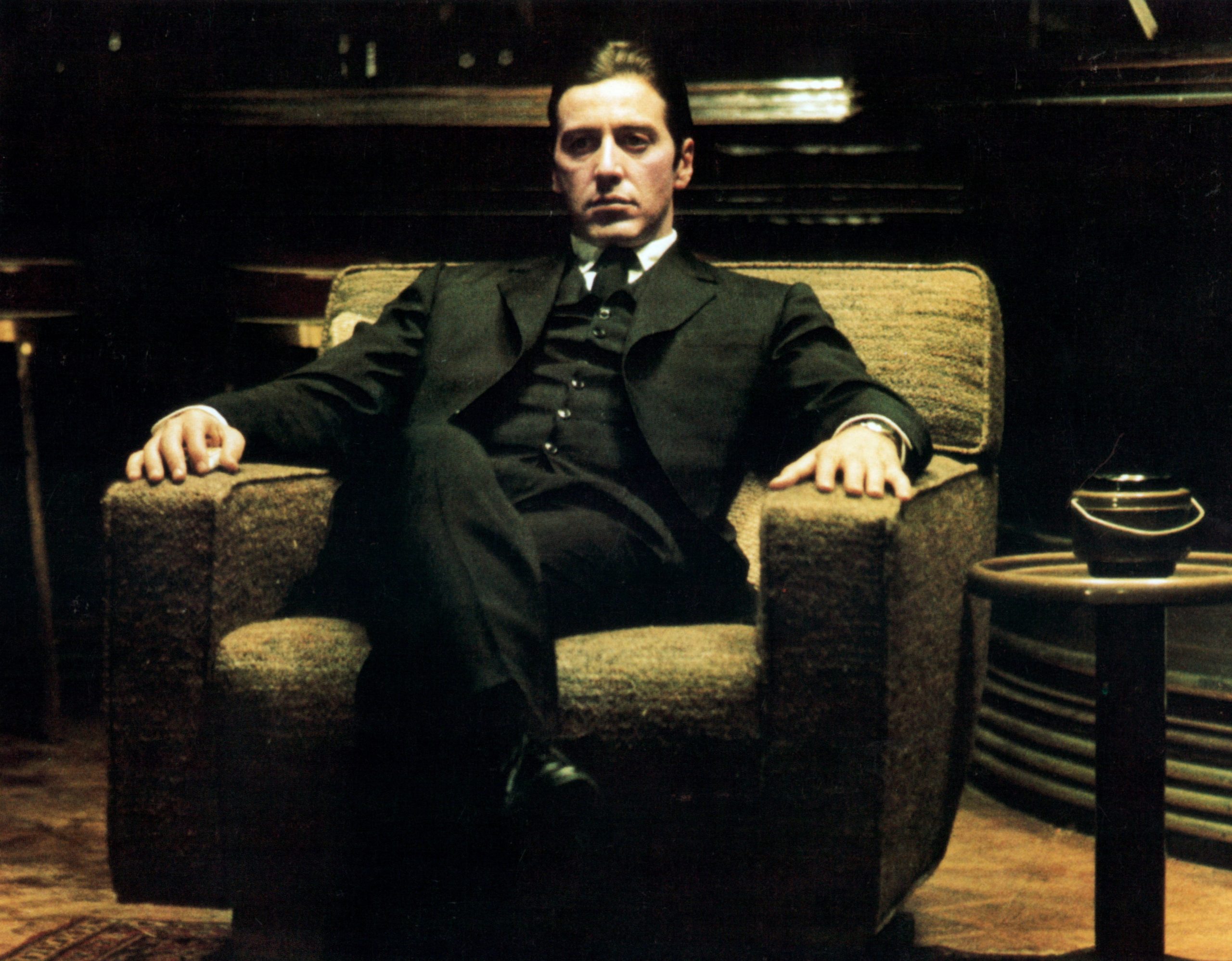
Francis Ford Coppola tells two stories simultaneously.
In one, Robert De Niro plays the young Vito Corleone as he rises from immigrant poverty and slowly establishes power.
In the other, Al Pacino’s Michael Corleone already possesses enormous power—and watches it consume almost everything human inside him.
The contrast is devastating.
Vito builds a family while becoming a criminal.
Michael expands the family business while destroying the family itself.
The film received 10 Academy Award nominations and won six, including Best Picture, Best Director and Supporting Actor for De Niro.
Few sequels have ever expanded an original film so completely.
2. Goodfellas (1990)
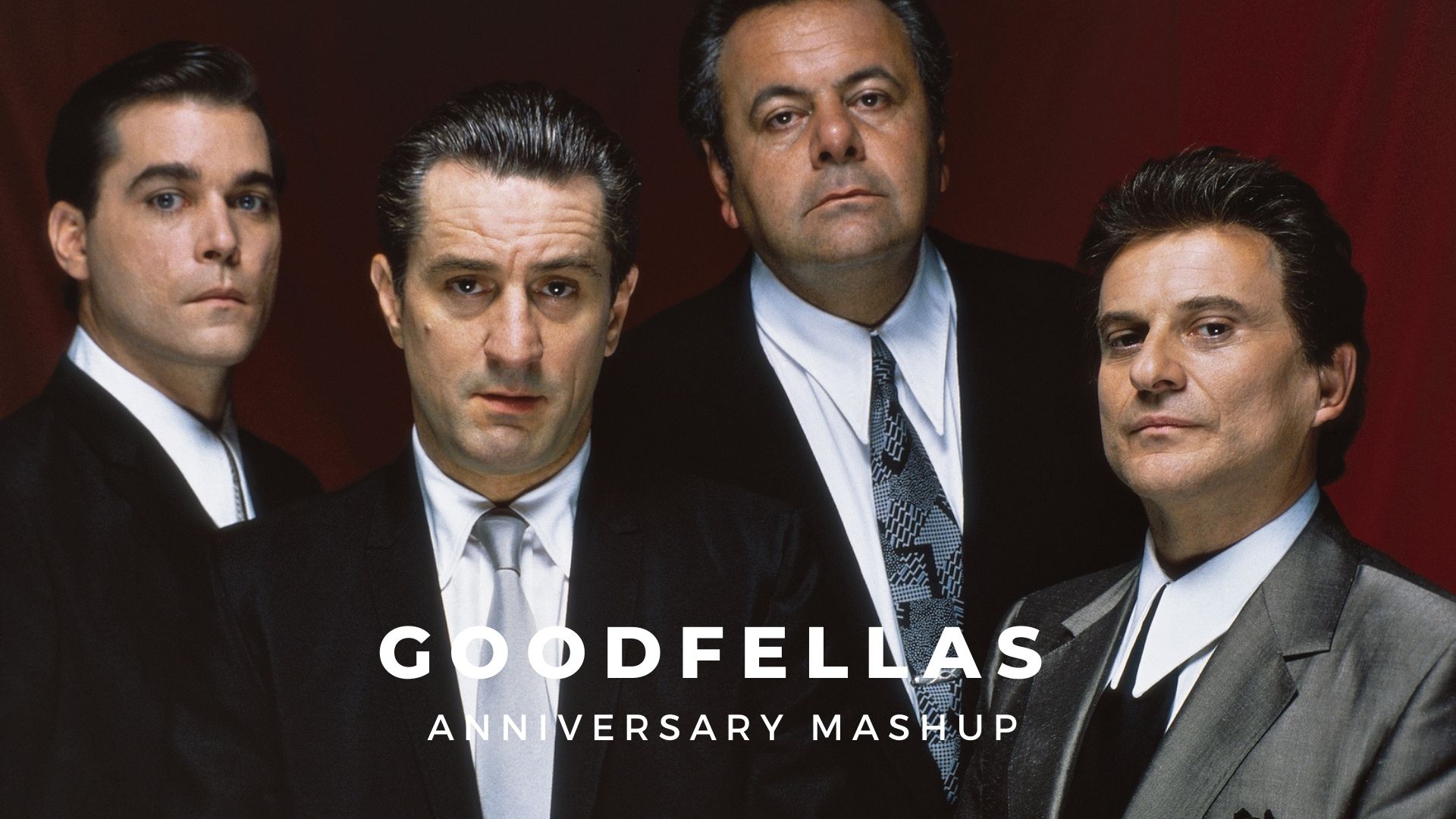
“As far back as I can remember, I always wanted to be a gangster.”
With Henry Hill’s famous opening thought, Scorsese immediately destroys the distance between the audience and the criminal world.
Ray Liotta plays Hill from an awestruck young outsider to a terrified insider whose glamorous life collapses into drugs, surveillance and betrayal.
Robert De Niro’s Jimmy Conway provides icy calculation. Joe Pesci’s Tommy DeVito supplies terrifying unpredictability.
The movie moves with astonishing speed. Music, narration and camera movement create the sensation of being swept into the lifestyle alongside Henry.
Then the pleasure curdles.
BFI’s Sight and Sound poll ranked Goodfellas joint 63rd among the greatest films ever made, while Pesci won the movie’s only Oscar for Supporting Actor.
Few films have made criminal life look so intoxicating—and so exhausting.
1. The Godfather (1972)
No gangster film has cast a larger shadow.
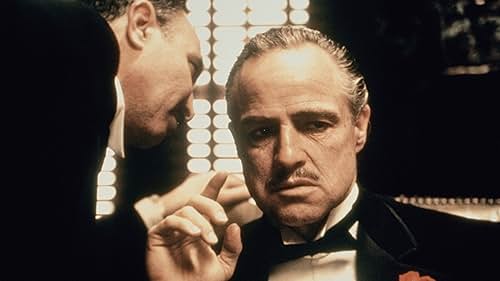
Francis Ford Coppola’s adaptation of Mario Puzo’s novel begins as a story about Don Vito Corleone, played by Marlon Brando, but gradually becomes the tragedy of his youngest son.
Michael, played by Al Pacino, initially appears determined to remain outside the family business.
That distance does not survive.
What makes The Godfather extraordinary is how quietly Michael changes. He does not become a gangster through one dramatic transformation. He crosses a series of lines, each seemingly necessary, until the man at the end is almost unrecognizable from the young war veteran introduced at his sister’s wedding.
Brando won Best Actor, while the film won Best Picture and Adapted Screenplay. Pacino, James Caan and Robert Duvall were all nominated in the supporting category.
But awards explain only part of its endurance.
The Godfather turned organized crime into family tragedy.
The murders and business deals matter, but the real horror is personal: Michael gains control over an empire while losing the part of himself that once wanted nothing to do with it.
That contradiction is the essence of the gangster genre.
The greatest crime movies may tempt audiences with money, suits, cars and power.
Their final lesson is usually much darker.
Nobody truly wins.