26 Years, Multiple X-Men Eras, One Wolverine — How Hugh Jackman Became Impossible to Replace
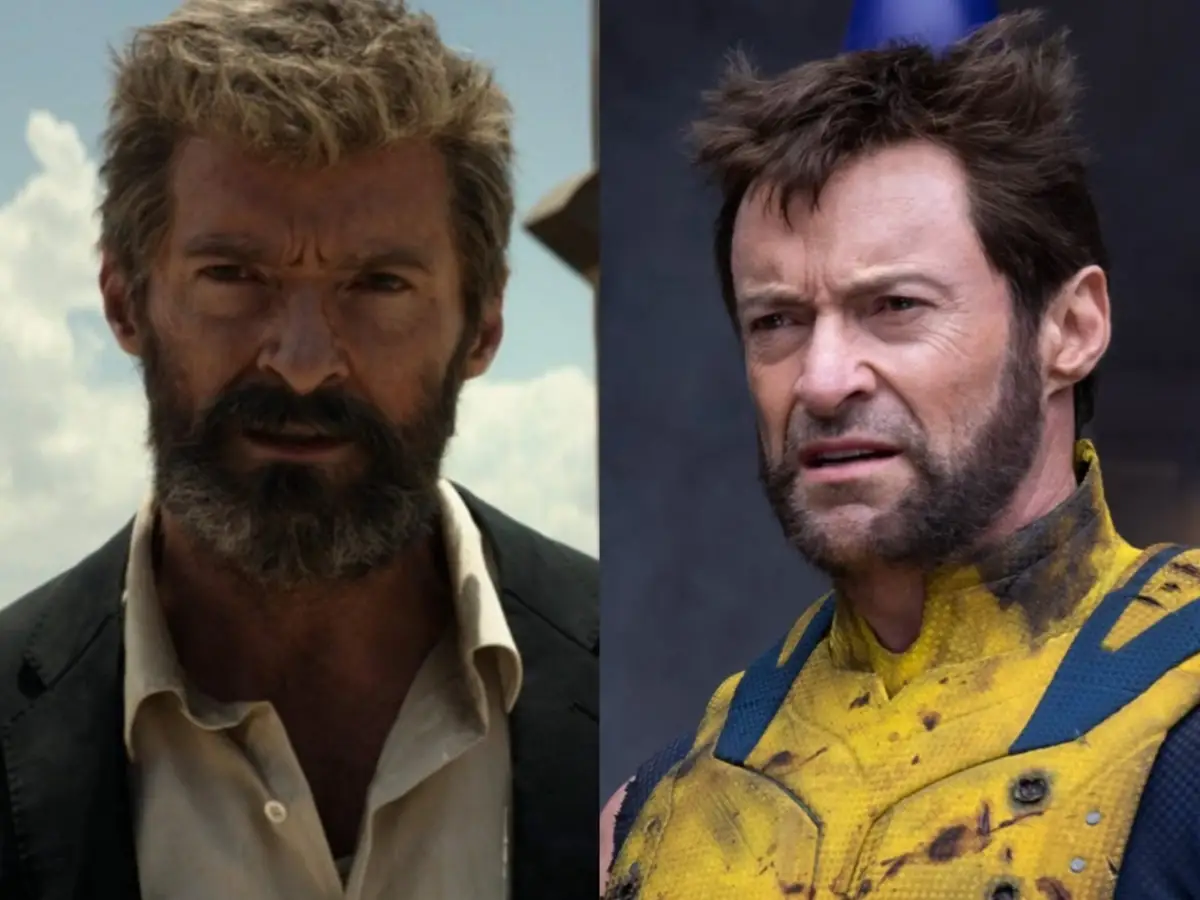
Hugh Jackman was never supposed to become Wolverine.
When X-Men was preparing to launch a new generation of comic-book movies in 2000, Dougray Scott had already been chosen for the role. But Scott’s work on Mission: Impossible 2 created a scheduling conflict, forcing the production to find another actor after filming had already begun.
Jackman, then far from an established Hollywood action star, got the call.
Twenty-six years later, that emergency replacement has become one of the hardest acts in superhero cinema to follow.
The X-Men franchise has changed studios, timelines, casts and creative directions. Professor X, Magneto, Jean Grey, Cyclops, Storm and Mystique have all been interpreted by different actors across different generations.
Wolverine has been different.
Through the original X-Men era, the younger prequel generation, standalone movies and eventually the Marvel Cinematic Universe, one face has remained attached to the claws.
Hugh Jackman’s.
A Last-Minute Casting Decision Became a Franchise Identity
The original X-Men arrived in theaters on July 14, 2000, with Patrick Stewart as Charles Xavier, Ian McKellen as Magneto, Halle Berry as Storm and Jackman as Logan.
Jackman quickly became one of the movie’s defining figures.
His Wolverine was aggressive without being invulnerable emotionally. Beneath the metal claws and rapid healing was a man who did not know his own history, distrusted authority and seemed uncomfortable belonging anywhere.
That combination gave audiences an ideal entry point into the X-Men’s world.
Then came X2 in 2003 and X-Men: The Last Stand in 2006. Wolverine’s importance kept growing until Fox gave him his own origin movie, X-Men Origins: Wolverine, in 2009. Jackman later returned for another solo adventure, The Wolverine, in 2013.
Not every film was equally successful with critics or fans. But even when the franchise struggled, Jackman’s connection to the character survived.
That became especially important when the X-Men movies reinvented themselves.
The X-Men Got Younger. Wolverine Didn’t.
With X-Men: First Class in 2011, Fox traveled backward in time and introduced younger versions of major characters.
Patrick Stewart’s Professor X gave way to James McAvoy. Ian McKellen’s Magneto became Michael Fassbender. Later films introduced younger versions of Jean Grey, Cyclops and Storm.
Jackman, however, briefly appeared as Wolverine in First Class without requiring a younger replacement.
Then X-Men: Days of Future Past made his unusual position even more obvious.
The 2014 film brought the franchise’s generations together, placing performers including Stewart and McKellen in the same story as McAvoy, Fassbender and Jennifer Lawrence. At the center of that bridge was Wolverine, whose consciousness was sent into his younger body in 1973.
Instead of casting another Logan, the film simply used Jackman in both eras.
It worked partly because Wolverine’s healing ability gave the movies an explanation for his slow aging.
But the larger reason was cultural.
By then, audiences were no longer simply watching Hugh Jackman play Wolverine. For millions of moviegoers, Hugh Jackman was Wolverine.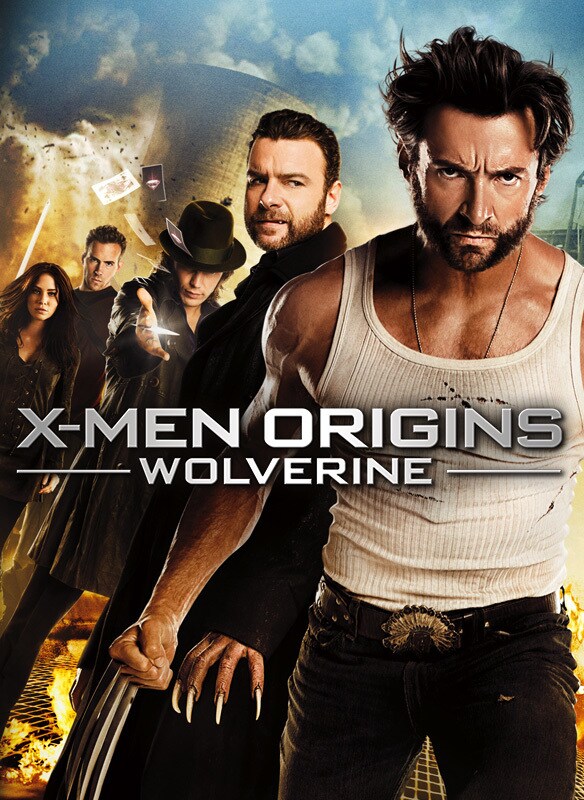
Then Logan Gave Him the Ending Most Superheroes Never Get
After years of increasingly complicated X-Men continuity, Jackman and director James Mangold took Wolverine somewhere very different.
Logan, released March 3, 2017, presented an older, physically deteriorating version of the character living in a bleak future while caring for an ailing Charles Xavier and eventually protecting Laura, a young mutant played by Dafne Keen.
The movie stripped away much of the glossy superhero spectacle surrounding Wolverine.
Logan was tired. His body was failing. His healing was weakening. The character who had survived nearly everything finally appeared mortal.
Jackman had already decided it would be his farewell.
Later that year, he described 17 years as the right point to leave the role. Logan appeared to make that retirement permanent by giving Wolverine an unusually definitive conclusion.
Even Marvel Studios president Kevin Feige initially believed Jackman should protect that ending. When the possibility of another Wolverine appearance emerged years later, Feige said he advised the actor against returning because Logan had given the character such a powerful farewell.
Jackman came back anyway.
But there was an important condition.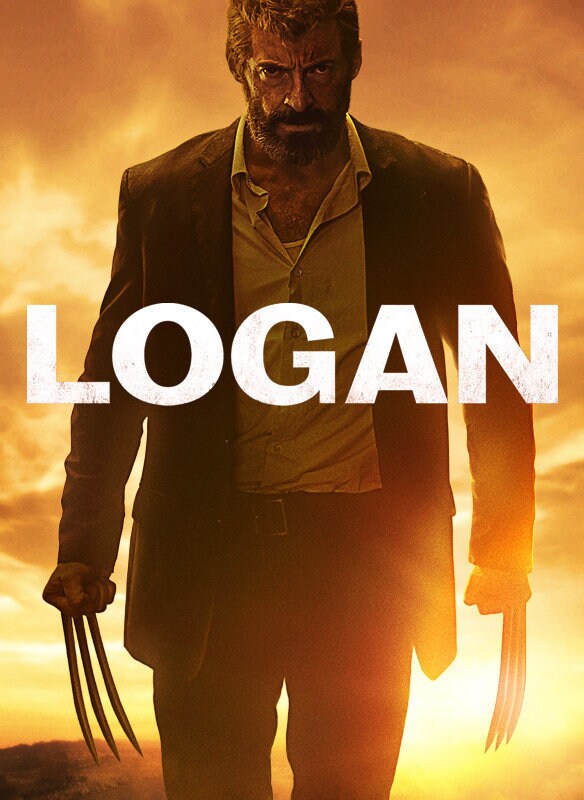
Deadpool & Wolverine Found a Way Around the Goodbye
When Jackman decided to join Ryan Reynolds for Deadpool & Wolverine, the filmmakers did not simply erase what happened in Logan.
Instead, Marvel’s multiverse allowed Jackman to portray another version of Wolverine.
That distinction gave the movie freedom to preserve the emotional weight of the 2017 film while letting Jackman explore the character again.
It also finally delivered something fans had been waiting decades to see: Jackman wearing Wolverine’s familiar yellow-and-blue costume.
For most of Fox’s X-Men era, the movies had favored dark leather uniforms over the colorful designs associated with the comics and animated series. Jackman said people had been asking about the yellow suit for 24 years before Deadpool & Wolverine finally put him in it.
The response demonstrated how much affection still surrounded his version of the character.
Deadpool & Wolverine ultimately earned about $1.34 billion worldwide and became the highest-grossing R-rated movie in history, turning what could have been a nostalgic cameo into one of Marvel’s biggest theatrical successes.
More importantly, it proved something unusual.
Seven years after Wolverine’s celebrated death, audiences were still willing to accept Jackman immediately.
Now Marvel Faces the Wolverine Problem
The strange part is that the X-Men are moving forward again.
Marvel’s officially announced cast for Avengers: Doomsday includes several veterans of Fox’s original films, among them Patrick Stewart, Ian McKellen, James Marsden, Rebecca Romijn, Alan Cumming and Kelsey Grammer.
Jackman’s name is not currently on Marvel’s published cast list.
That absence creates an intriguing question.
Can Marvel bring back so much of the old X-Men world without its most recognizable mutant?
Jackman himself has stopped giving definitive farewells. Asked about Wolverine’s future in late 2025, he said it no longer felt as final as Logan had. In another appearance, he joked that he had learned not to say “never” again after already reversing one retirement.
Eventually, someone else will almost certainly have the opportunity to interpret Wolverine for a new generation.
And that actor should not be expected simply to imitate Jackman.
But the challenge will be enormous.
Jackman did not define Wolverine through a single perfect movie. He defined him through time.
Audiences watched his Logan evolve from the angry outsider of X-Men to a reluctant team member, a man searching for his past, a time-traveling survivor, a dying father figure and finally an alternate Wolverine discovering another reason to fight.
The franchise rebooted around him.
Timelines collapsed around him.
Studios changed around him.
And 26 years after a scheduling problem unexpectedly opened the door, Hollywood still has not introduced another live-action movie Wolverine to take his place.
That may be Hugh Jackman’s most remarkable achievement in the role.
He was originally Wolverine’s replacement.
He became the Wolverine everyone else will someday have to replace.