Oklahoma Nursing Home Scandal: Former Worker Accused of Taking Degrading Photos of Elderly Patients and Sharing Them on Snapchat Sparks Calls for Stronger Protections
In a case that has shocked families and elder care advocates across Oklahoma, a former nursing home employee stands accused of betraying the trust of vulnerable residents by secretly photographing them in humiliating situations and distributing the images via Snapchat. The incident, which came to light in early 2025, continues to fuel discussions about patient dignity, staff oversight, and the urgent need for reforms in long-term care facilities as of July 2026.
According to court documents and an affidavit filed in Oklahoma County District Court, the allegations center on Kelsey R. Smith, then 28 years old, who worked at Epworth Villa, a senior living and nursing home facility in Oklahoma City. On February 5, 2025, another caregiver reportedly discovered inappropriate photos on Smith’s phone and immediately alerted management. The images allegedly depicted elderly residents — many of whom are frail, cognitively impaired, or dependent on staff for daily care — in various states of undress, compromising positions, and even being mocked.

One particularly disturbing photo is said to have shown a resident’s genitals exposed, while others captured residents in degrading or ridiculed scenarios. Investigators determined that Smith had taken the photos without any consent and shared them with at least one other person through Snapchat, raising serious concerns about the potential wider circulation of such private and exploitative content.
A family member of one affected resident expressed profound anger and heartbreak in statements to investigators: “This is beyond disgusting. These are vulnerable people who trusted the facility to care for them with dignity and respect. Instead, they were treated like objects for someone’s amusement.”
Epworth Villa responded swiftly by terminating Smith’s employment and fully cooperating with law enforcement. In an official statement, the facility emphasized: “We take the safety, privacy, and dignity of our residents very seriously. Any violation of that trust is completely unacceptable, and we are committed to ensuring this never happens again.”
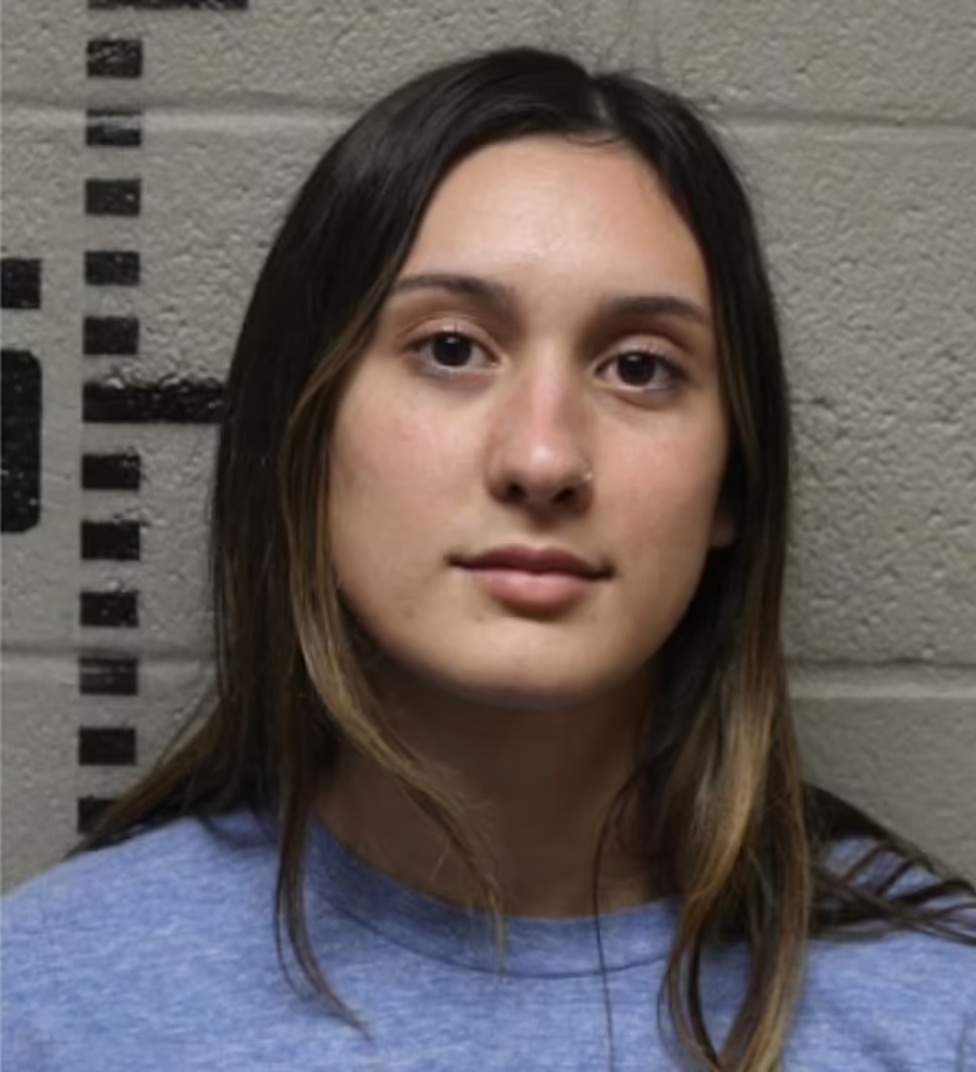
Smith was arrested and faced charges including exploitation of a vulnerable adult and invasion of privacy. She was booked into the Oklahoma County Jail following the incident. Authorities launched a thorough investigation to determine if additional photos were taken, shared, or stored, with the possibility of further charges depending on the findings.
The case quickly garnered widespread media attention and public outrage, highlighting systemic issues in nursing homes, such as inadequate background screening, insufficient surveillance in resident areas, and the challenges of monitoring personal devices during shifts. Elder rights organizations have used the incident to advocate for legislative changes, including mandatory training on resident dignity, stricter penalties for staff misconduct, and requirements for better camera monitoring (while respecting privacy laws).

As of July 2026, while the criminal proceedings against Smith have progressed through the courts, families continue to seek assurances from facilities like Epworth Villa. No major new public updates on the trial verdict have dominated headlines recently, but the scandal remains a reference point in ongoing discussions about protecting Oklahoma’s aging population. Advocates stress that such abuses erode trust in the entire care system and call for proactive measures to prevent similar tragedies.
This heartbreaking story serves as a powerful reminder of the humanity of nursing home residents and the critical responsibility held by those entrusted with their care. Facilities across the state have reportedly reviewed and strengthened their policies in response to the public outcry.
Source: The Oklahoman