“WHAT THE HELL?” — THE BRUISE THAT BECAME PART OF THE ISABELLE WELSH CASE
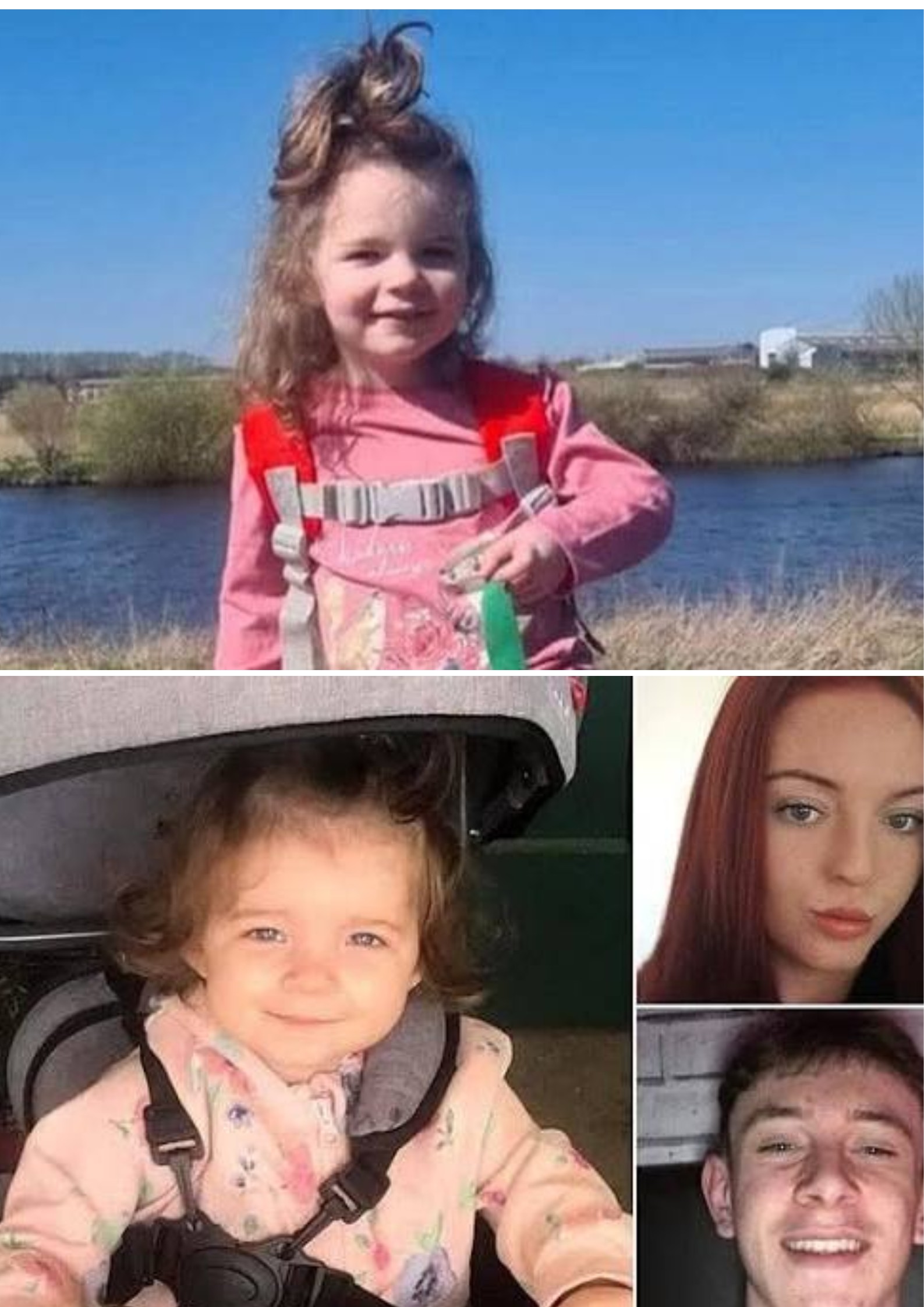
“WHAT THE HELL?” — THE BRUISE THAT BECAME PART OF THE ISABELLE WELSH CASE
A bruise spotted on two-year-old Isabelle Rose Welsh days before her death became one of the details examined during a trial that ultimately ended with the conviction of her mother and her mother’s partner. The grandmother told police she was alarmed by what she saw—and the explanation she was given at the time.
 A WARNING SIGN NOTICED AT HOME
Isabelle Welsh was two years old when she suffered a fatal head injury at her home in Thornaby, Teesside, in September 2025.
During the subsequent court proceedings, jurors heard evidence about injuries Isabelle had sustained in the weeks before her death.
One of the details came from her maternal grandmother, Claire Walker.
After Isabelle returned home from hospital following treatment for a fractured leg, her grandmother visited and noticed a bruise on the toddler’s back.
According to the evidence she later gave to police, the discovery caused her to react with the words:
“What the hell?”
The grandmother said an explanation was subsequently given that Isabelle had bumped herself on the settee.
THE BRUISE WAS NOT THE ONLY CONCERN
Prosecutors later presented the bruise as part of a much broader pattern of injuries.
The court heard that a post-mortem examination identified fractures to 21 separate bones and 97 soft-tissue injuries.
Medical evidence presented to the jury indicated that Isabelle had suffered repeated injuries over a period of time, including fractures involving her limbs, spine and skull.
The prosecution argued that the injuries were not the result of a single incident but formed part of what it described as a prolonged campaign of violence.
QUESTIONS ABOUT EARLIER WARNING SIGNS
The evidence surrounding the bruise raised a wider safeguarding question.
Isabelle had already received hospital treatment for a fractured leg shortly before her death.
Prosecutors argued that concerns about her condition had emerged before the fatal incident and that her injuries should have prompted greater scrutiny.
The grandmother herself had reportedly expressed concern about Isabelle’s deteriorating condition, telling police that the toddler appeared unwell and that she was worried about what was happening to her.
The case therefore became about more than the circumstances of Isabelle’s final injury.
It also raised questions about whether earlier signs of harm were recognized and acted upon quickly enough.
 WHAT THE COURT ULTIMATELY HEARD
The prosecution alleged that Isabelle had been subjected to repeated physical abuse before suffering the fatal head injury.
Her mother, Alexandra Walker, and Walker’s partner, Harrison Simpson, denied the charges.
During the trial, prosecutors argued that both defendants had opportunities to recognize the seriousness of Isabelle’s condition and failed to protect her.
The defense disputed the prosecution’s account.
After a lengthy trial, however, both Walker and Simpson were convicted of murder. Simpson was also convicted of sexually abusing Isabelle, while both defendants were convicted of child cruelty.
SENTENCES FOLLOWED
The convictions brought the criminal trial to an end, but the seriousness of the evidence heard in court continued to draw public attention.
Walker and Simpson were subsequently sentenced to life imprisonment, with minimum terms of 22 years for Walker and 28 years for Simpson.
The case has since prompted renewed discussion about child safeguarding and the importance of responding to unexplained injuries—particularly when multiple concerns arise over a relatively short period.
THE QUESTION THAT REMAINS
The bruise on Isabelle’s back was only one detail within a much larger body of evidence.
But it has become a particularly powerful part of the story because it illustrates how an apparently small injury can take on a very different meaning when viewed alongside everything investigators later discovered.
At the time, the grandmother was concerned enough to question what she was seeing.
Months later, the court heard evidence of extensive injuries that prosecutors said demonstrated repeated harm.
That leaves a difficult question:
When a vulnerable child shows unexplained signs of injury, how quickly should those concerns trigger a deeper safeguarding response?
Isabelle’s case demonstrates why that question matters.
Isabelle deserved to be safe, protected and cared for.
Her case ultimately ended in murder convictions and life sentences.
But the wider safeguarding questions raised by the evidence remain important.
Independent commentary on publicly reported court proceedings. Not affiliated with police, government agencies or the prosecution.